UNITING FOR SUSTAINABILITY: HBP-USM WELCOMES ITS DELEGATION TO STRENGTHEN COLLABORATION
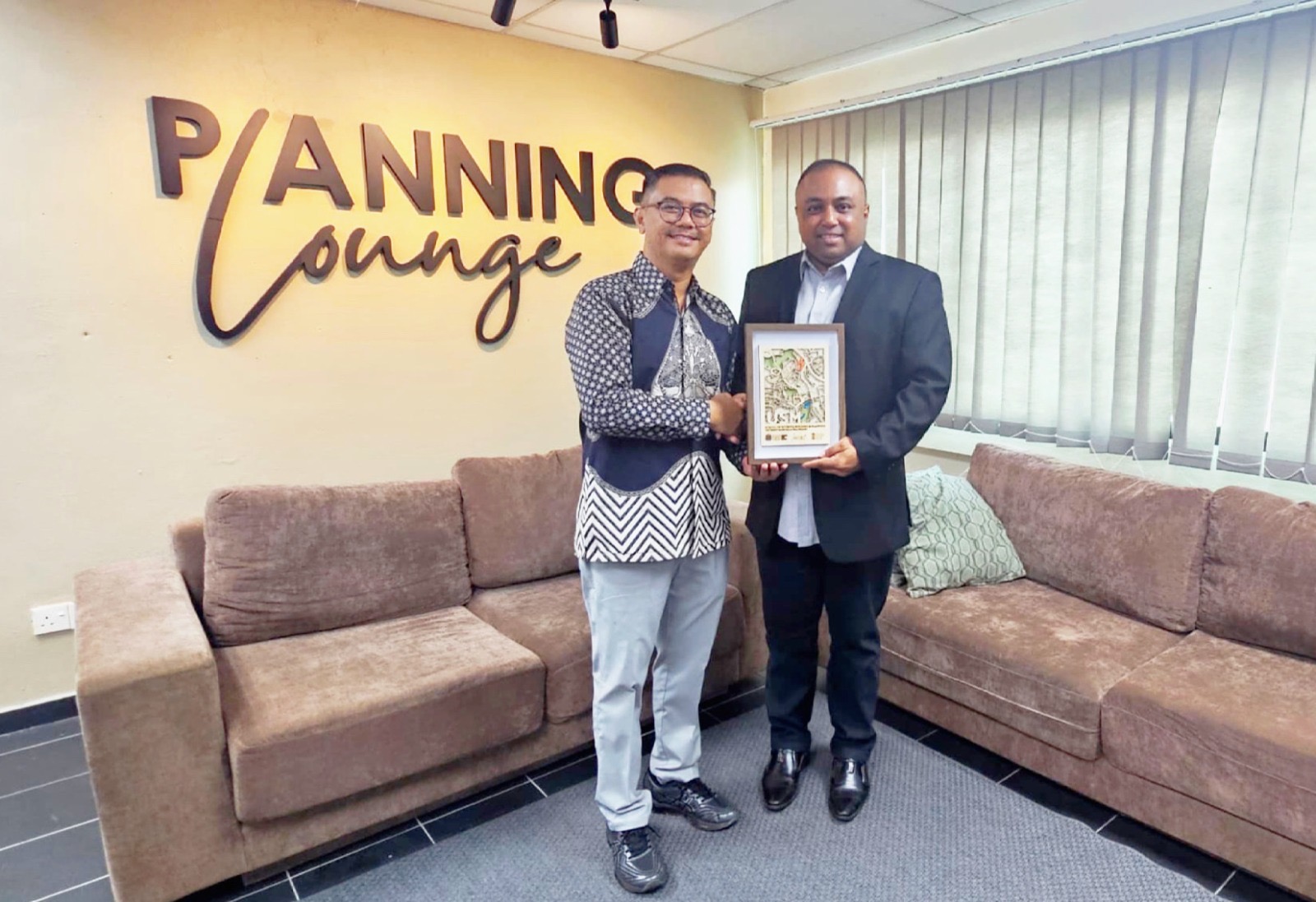
PENANG, 1 May 2026 – The School of Housing, Building and Planning (HBP), Universiti Sains Malaysia (USM), continues to strengthen its internationalisation agenda through a high-impact academic visit recently by a delegation from Institut Teknologi Sepuluh Nopember (ITS), Surabaya, Indonesia.
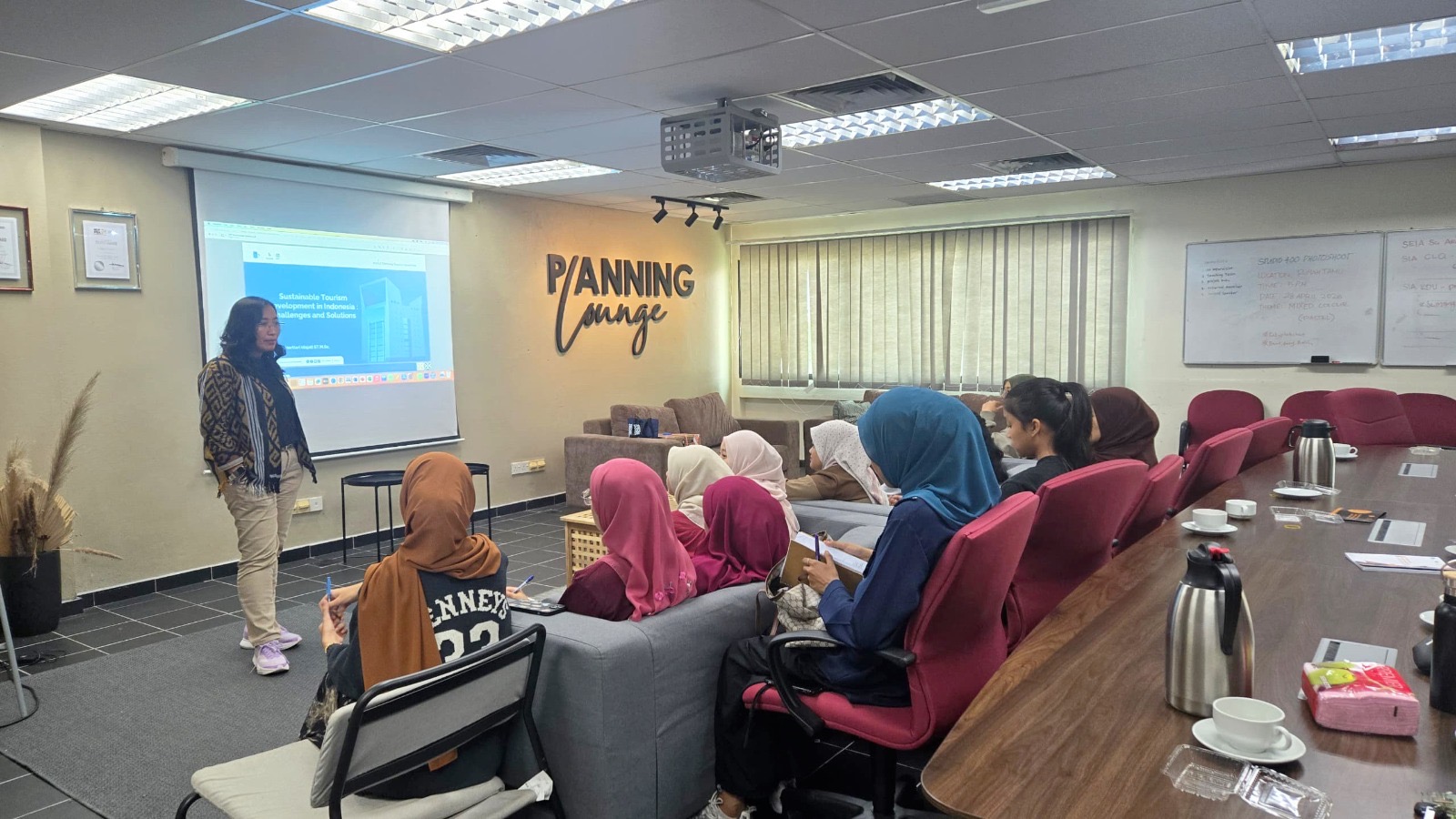
The visit brought together distinguished academics and experts in urban and regional planning and architecture, reflecting a shared commitment to building strategic partnerships, exchanging expertise, and exploring collaborative opportunities in sustainable development and urban planning.
The ITS delegation was led by Professor Adjie Pamungkas, Dean of the Faculty of Civil Engineering, Planning and Geo-Engineering, and also included Professor Eko Budi Santoso (Head of the Regional, Coastal and Environmental Planning Laboratory), Dr. Ir. Hertiari Idajati (Department of Urban and Regional Planning), and Nurfahmi Muchlis (Department of Architecture), Dr. I Dewa Made Frendika Septanaya (Head of Undergraduate Programme of Urban and Regional Planning), and Dr FX. Teddy Badai Samodra (Head of Department of Architecture).
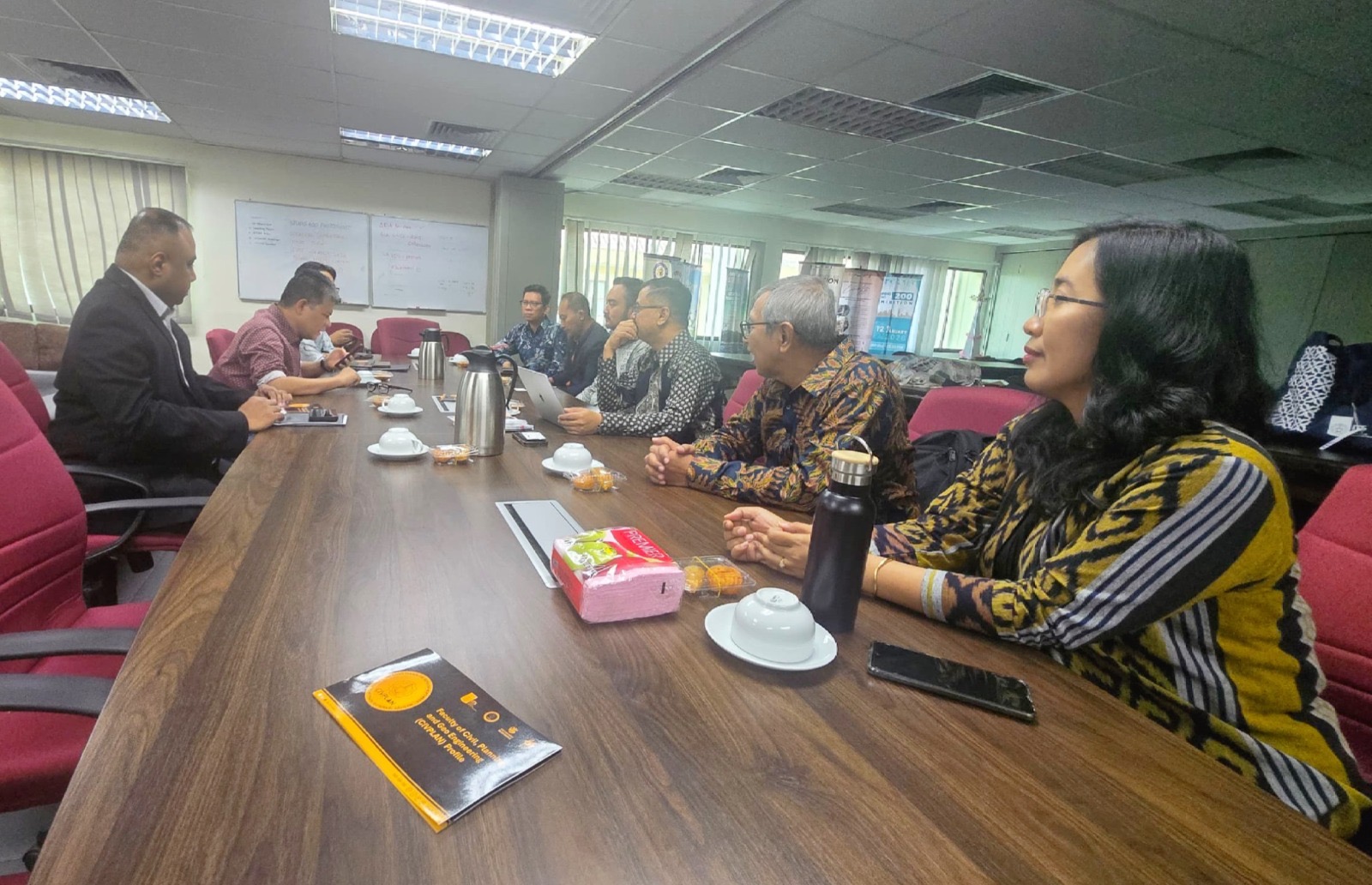
This meaningful session was made possible through the initiative and efforts of Associate Professor Dr. Suraiyati Rahman and Professor TPr. Dr. Azizan Marzuki, who played key roles in planning and coordinating the academic visit as part of HBP’s broader agenda to enhance international engagement and strengthen collaborative networks.
The visit is made even more significant by ITS’s strong international standing. Recognised as one of Indonesia’s leading technological institutions, ITS is ranked 509th in the QS World University Rankings 2026.
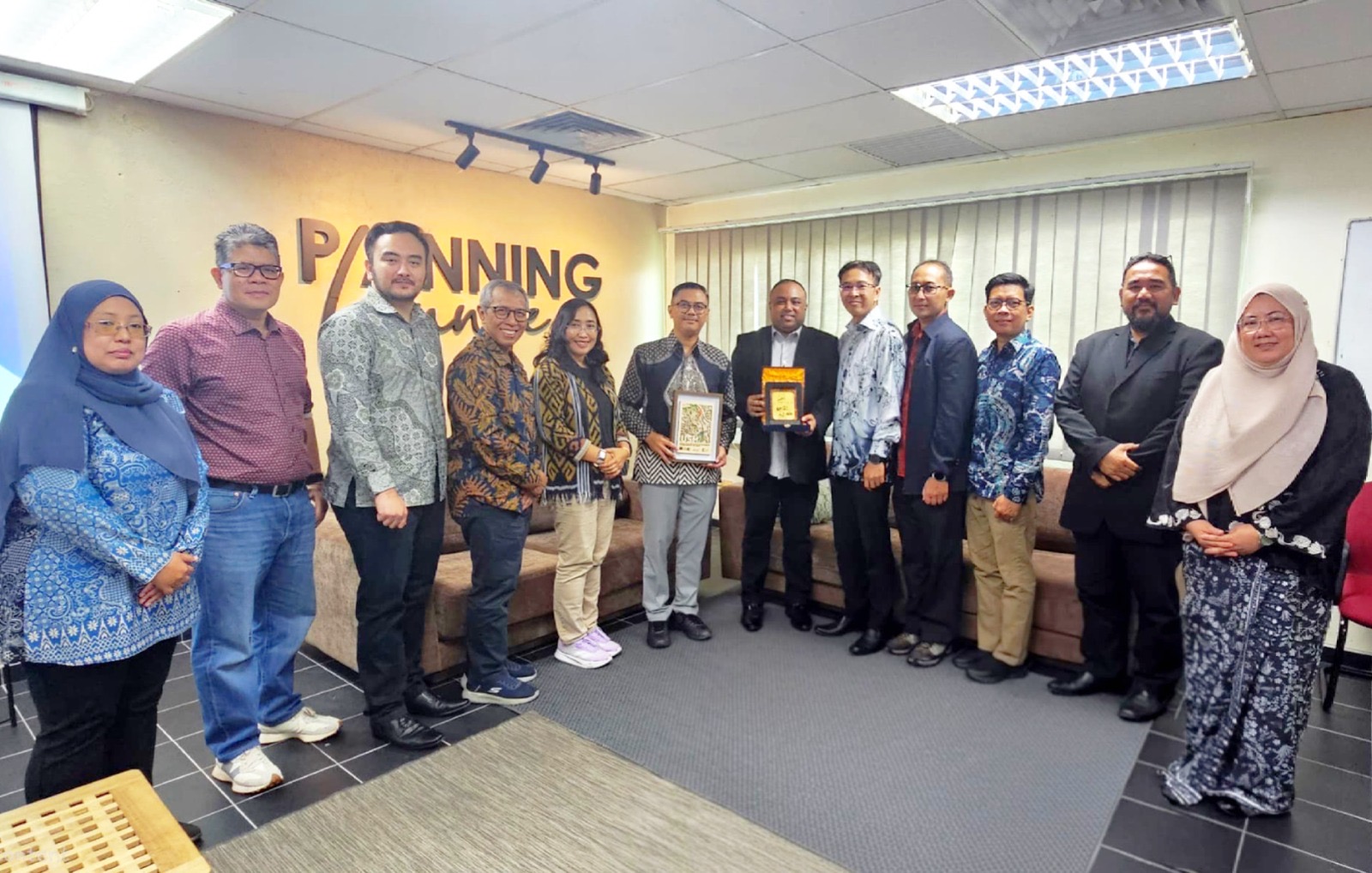
Additionally, in the QS World University Rankings by Subject, ITS ranks within the 151–200 band for Architecture & Built Environment.
These achievements highlight the strength of ITS in fields closely aligned with HBP’s academic focus, making the collaboration a promising platform for impactful regional and global engagement.
Throughout the visit, a series of academic discussions and professional networking sessions chaired by Dean of HBP, Associate Professor Sr Ts. Dr. Md Azree Othuman Mydin were held, focusing on current issues such as sustainable tourism development, regional planning, and the challenges of urbanisation in Southeast Asia.
These exchanges created valuable opportunities for both institutions to explore wider collaboration, particularly in joint research, scholarly publications, student and staff mobility, and the organisation of international academic programmes.
A major highlight of the visit was an invited lecture delivered by Dr. Ir. Hertiari Idajati entitled “Sustainable Tourism Development in Indonesia: Challenges and Solutions.”
The lecture offered a comprehensive perspective on innovative approaches to sustainable tourism development in Indonesia, with emphasis on community participation, environmental conservation, and the need to balance economic growth with long-term sustainability.
In addition to the academic sessions, the ITS delegation was also given a tour of HBP’s laboratories, teaching facilities, and research spaces.
The visit provided the delegation with a deeper understanding of the infrastructure and academic ecosystem that support learning, teaching, and research activities at HBP.
Md Azree described the visit as an important step towards strengthening the strategic relationship between USM and ITS.
He noted that international collaborations of this nature not only enrich the academic experience of the HBP community, but also open doors to high-impact research that can contribute to addressing global challenges.
He said, “This visit reflects HBP’s commitment to continue serving as a regional reference point in the fields of housing, building and planning. Through the exchange of knowledge and expertise with institutions such as ITS, we can strengthen our capacity to address increasingly complex sustainable development challenges, particularly within the Southeast Asian context.”
He also expressed hope that the relationship established through this visit would lead to long-term initiatives that benefit both institutions and the wider community.
The visit not only strengthened the bilateral academic ties between HBP-USM and ITS but also significantly contributed to the achievement of the United Nations Sustainable Development Goals (SDGs).
Through this collaboration, both institutions are actively supporting SDG 4 (Quality Education) by facilitating academic exchange and knowledge sharing, offering students, researchers, and faculty members invaluable opportunities to learn from each other’s experiences.
This exchange of ideas, methodologies, and research insights helps improve the quality of education across borders, fostering a richer, more diverse learning environment that benefits all stakeholders involved.
Additionally, the visit directly supports SDG 11 (Sustainable Cities and Communities) as both universities engaged in insightful discussions on sustainable urban and regional planning.
By exploring solutions to urbanisation challenges, the partnership highlights the importance of building cities and communities that are not only liveable but also environmentally sustainable, resilient, and inclusive.
The shared commitment to advancing this crucial field ensures that future urban spaces are designed to meet the needs of both the present and future generations.
Furthermore, SDG 17 (Partnerships for the Goals) is exemplified through the meaningful international cooperation that has blossomed between HBP-USM and ITS.
The emphasis on sustainable tourism and environmental stewardship during the visit also closely aligns with SDG 13 (Climate Action). As both universities explored innovative solutions for the tourism industry in Indonesia, they emphasised the critical role of responsible development in minimising environmental impact.
By focusing on sustainable practices and promoting community-driven conservation efforts, the collaboration showcases how academic institutions can actively contribute to climate action and shape policies that protect the planet for future generations.
In essence, the partnership between HBP-USM and ITS has the potential to fly high, driving global change across multiple SDGs.
With a shared vision of fostering sustainable development, this collaboration not only elevates the academic profiles of both institutions but also sets a powerful example of how international academic alliances can pave the way for a more sustainable and equitable future.
As both universities continue to work together, they are poised to make an even greater impact on local, regional, and global levels, contributing to the ongoing efforts to meet the United Nations' goals and create a better world for all.
Overall, the visit highlights HBP’s continuous efforts to advance the university’s internationalisation agenda while reinforcing its position as a centre of academic excellence at the global level.
With a strong spirit of collaboration and shared learning, the partnership between USM and ITS is expected to grow further and generate positive impact for knowledge development, sustainable practice, and society at large.
Text: Associate Professor Dr Suraiyati Rahman/Photo: Gs. Dr. Mohd Ismail Isa, School of Housing, Building and Planning (HBP), USM
- Created on .
- Hits: 2380
