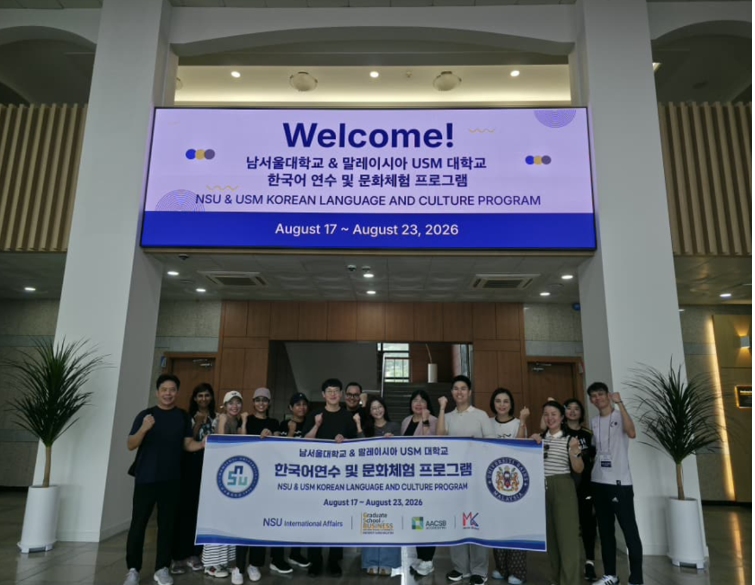
EXPERIENCING A ‘LIVING CLASSROOM’ IN KOREA, USM STUDENTS TOURS SEOUL TO SUWON
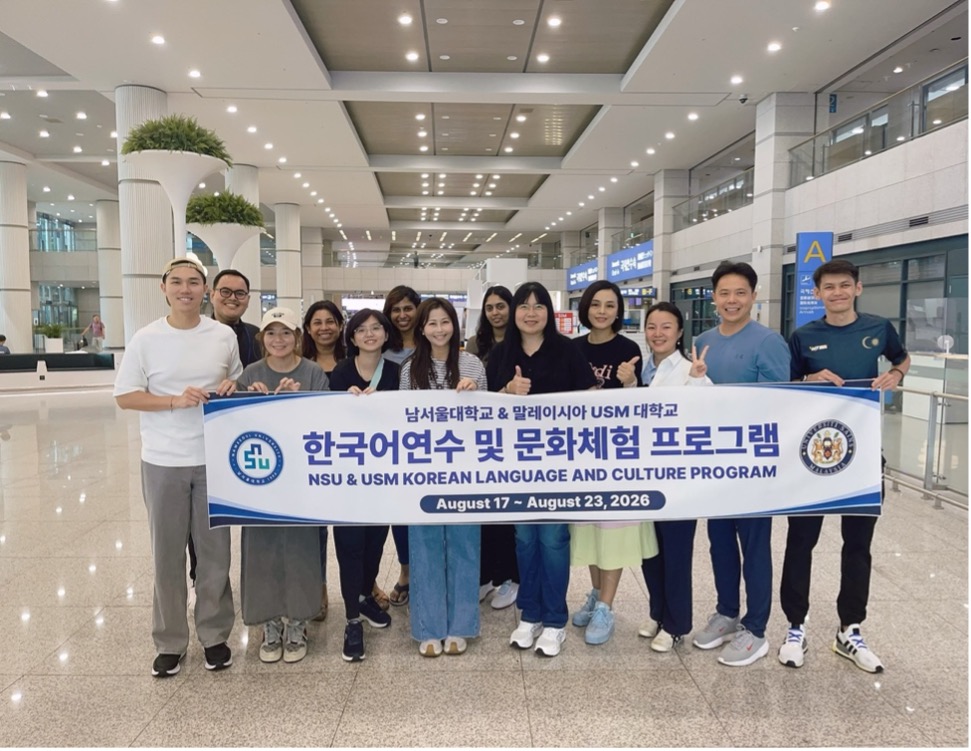
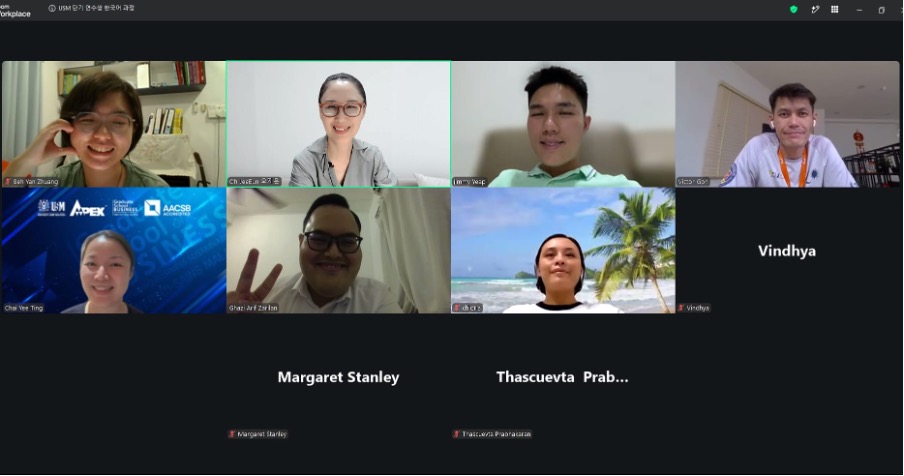
From studying Korea’s economic transformation to stepping inside the premises of its industrial giants, exploring K-Beauty and creating glass art, 12 Graduate School of Business (GSB) participants from Universiti Sains Malaysia (USM) experienced South Korea more than as tourists, by becoming learners immersed in its classrooms, industries, culture and communities.
The seven-day ‘Joint Short-Term Study Programme in Korean Language and Culture’, held from 17 to 23 August 2026, brought together academic learning, language, innovation, industry, culture and experiential activities, offering participants a multidimensional understanding of what has shaped South Korea into one of Asia’s leading industrial and innovation-driven economies.
Jointly organised by Namseoul University (NSU) and USM, in collaboration with MK Nexus Global and supported by the USM Mobility Grant, the programme also strengthened academic and people-to-people connections between Malaysia and South Korea.
Led by Project Leader Dr. Chin Phaik Nie, the delegation was accompanied by Associate Professor Ts. Dr. Teoh Ai Ping, while the initiative received the full support of Dean of GSB@USM, Associate Professor Dr. Fathyah Hashim, and the GSB@USM management.
Learning Korea Before Experiencing Korea
The journey began for the participants before their arrival in South Korea. A four-day basic Korean language course had equipped them with fundamental communication skills, allowing them to engage more meaningfully with Korean society and culture once they arrived.
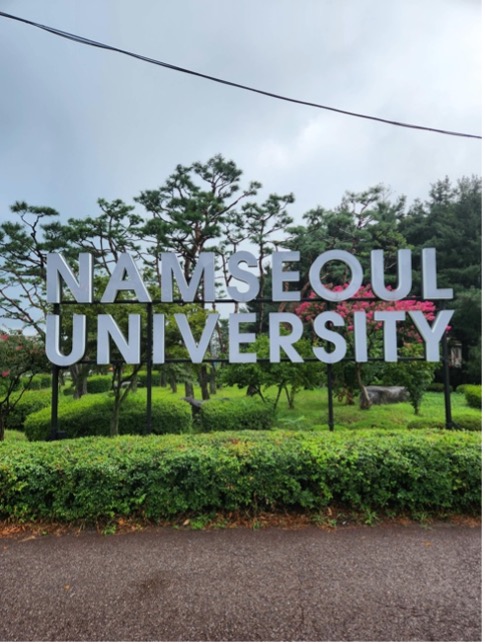
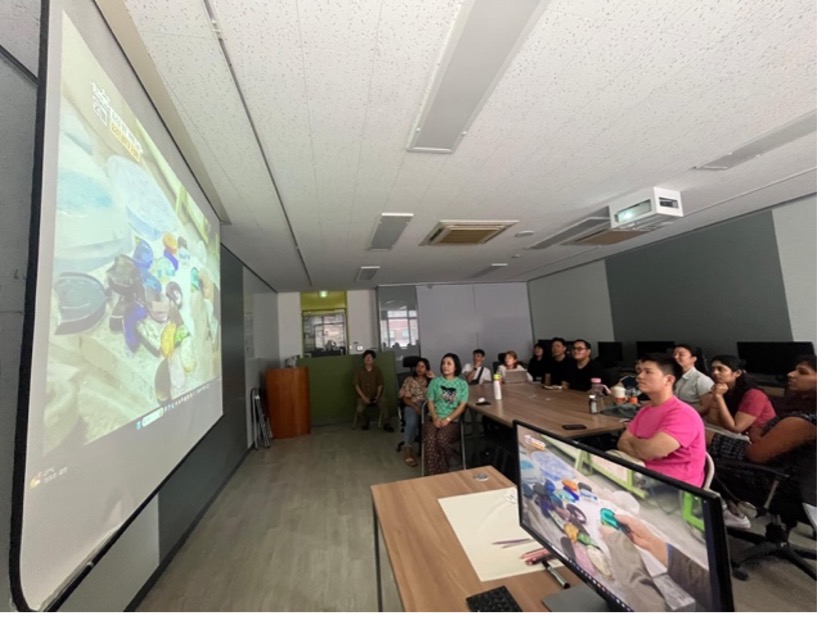
At Namseoul University, the conventional classroom gave way to a broader learning environment, where academic sessions were complemented by experiential activities and exposure to Korean society.
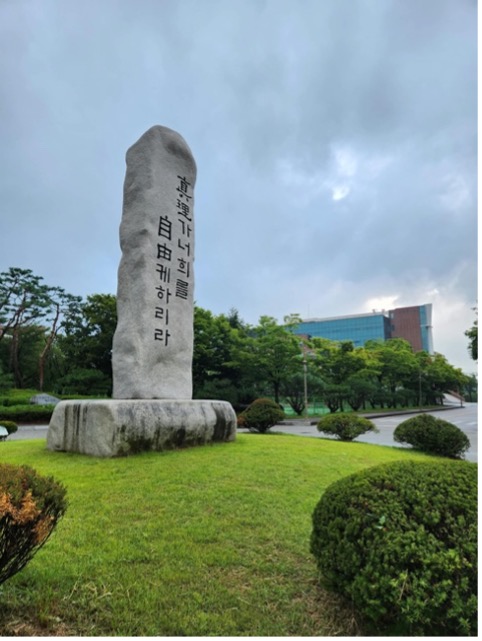
One of the key academic components focused on Korea’s economic development and industrialisation, enabling participants to examine the country’s transformation and the factors behind its emergence as a major industrial and innovation-driven economy.
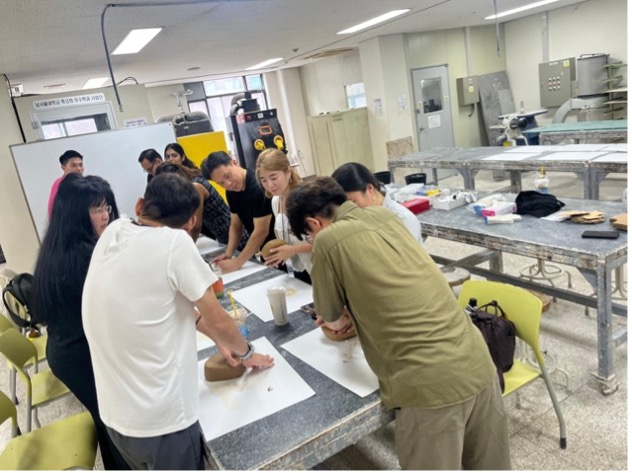
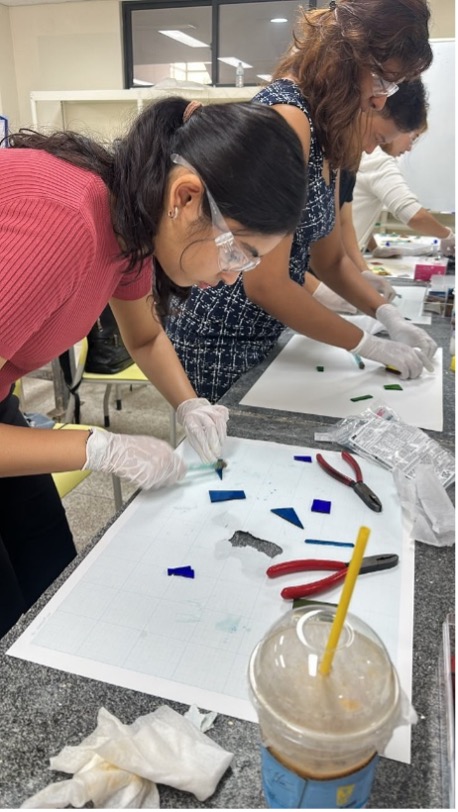
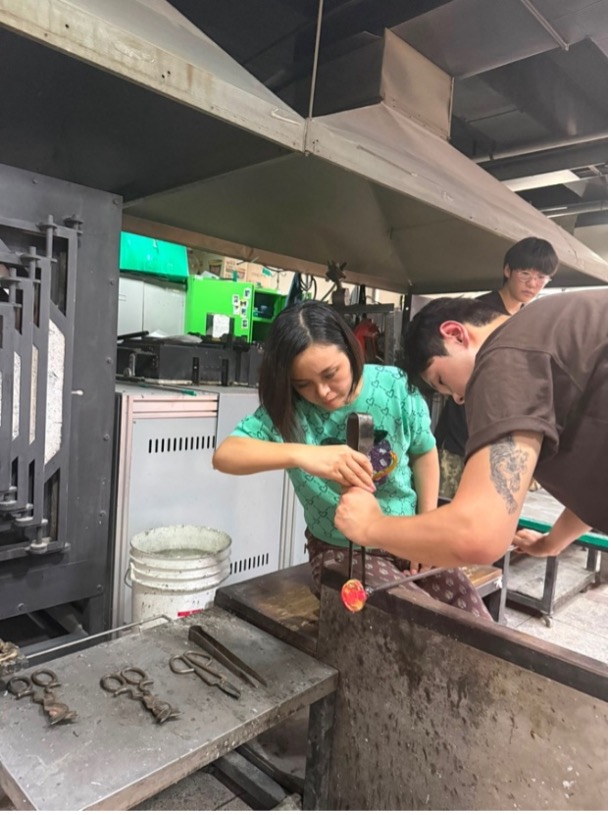
The programme also took learning into the creative space through hands-on glass art workshops and departmental visits.
Participants progressed from observing professional demonstrations to designing, cutting and shaping coloured glass themselves — an experience that encouraged creativity, patience, craftsmanship and teamwork while highlighting the importance of responsible material use.
At M Gallery in Cheonan, they gained further exposure to Korea’s creative and cultural ecosystem, reinforcing the idea that meaningful international learning can emerge at the intersection of business, arts, culture and society.
Inside Korea’s Innovation and Industrial Engine
Perhaps one of the programme’s strongest features was its ability to connect classroom concepts with the realities of Korea’s industrial and innovation ecosystem.

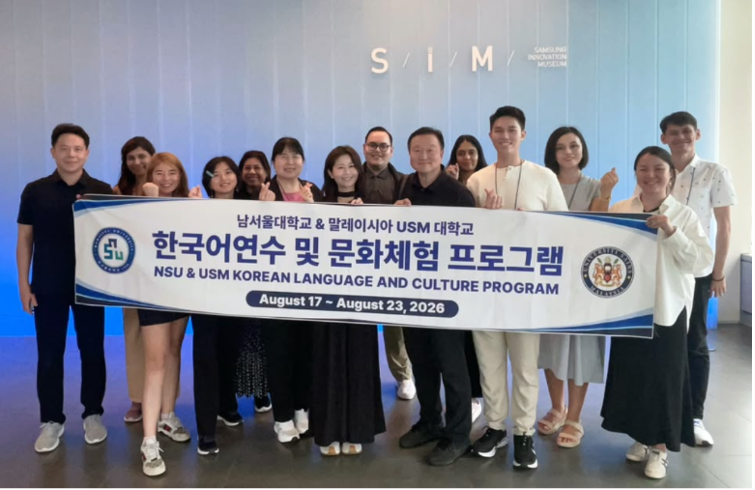
At the Samsung Innovation Museum in Suwon, participants explored Korea’s technological and innovation journey, gaining a broader perspective on the relationship between technological advancement, industrial development and national competitiveness.

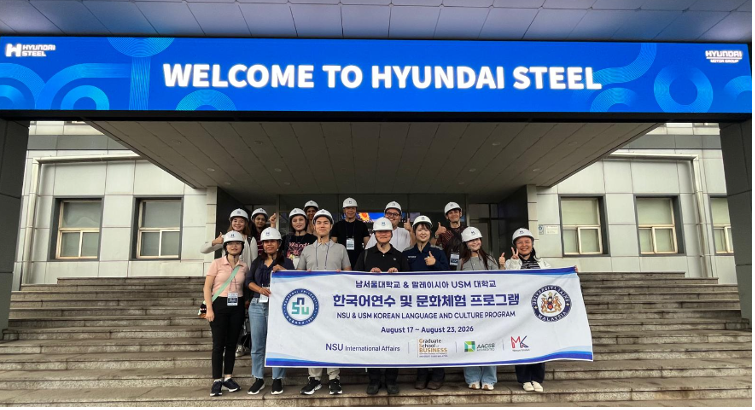
The experience was followed by an industrial visit to Hyundai Steel, where participants were exposed to Korea’s manufacturing and industrial environment.

Together, the visits and academic sessions provided an opportunity to connect Korea’s economic development strategies with the realities of technology, manufacturing and industrial competitiveness.
The programme also offered a glimpse into the commercial power of Korean culture through a visit to the Korean beauty industry in Seoul.

Exploring Korean cosmetic brands and products gave participants an opportunity to examine the global reach of K-Beauty and consider how branding, consumer experience, innovation and cultural influence can translate into international market competitiveness.
From Samsung and Hyundai to creative industries and K-Beauty, the participants encountered different pieces of the same economic story — one in which innovation, manufacturing, branding, culture and human creativity are all combined to create global competitiveness.
Beyond Business: Experiencing the Korean Way of Life
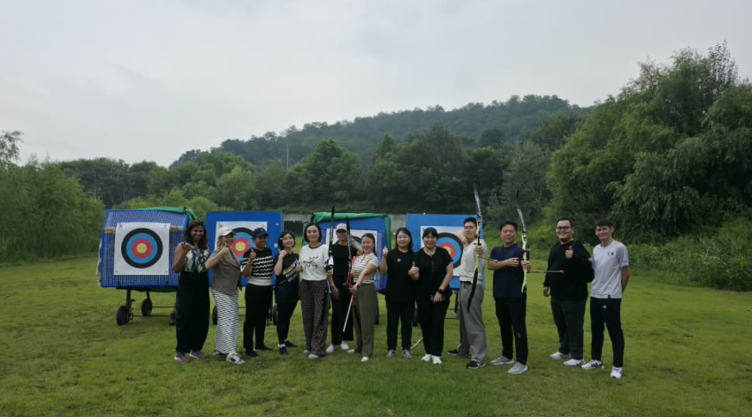
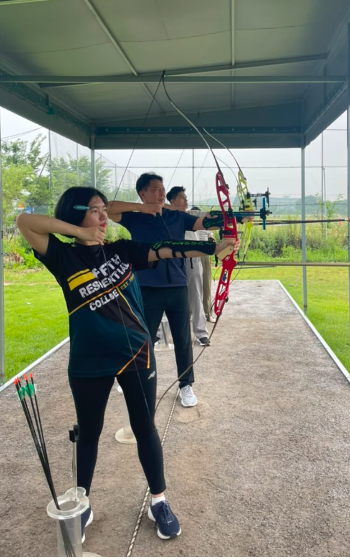
Korea however could not be understood through its economy alone. The programme immersed participants in the country’s sporting, historical and contemporary culture, including Korean archery and sports instruction, as well as visits to Seoul Tower, Namsan Hanok Village, Gyeongbokgung Palace and Insadong.
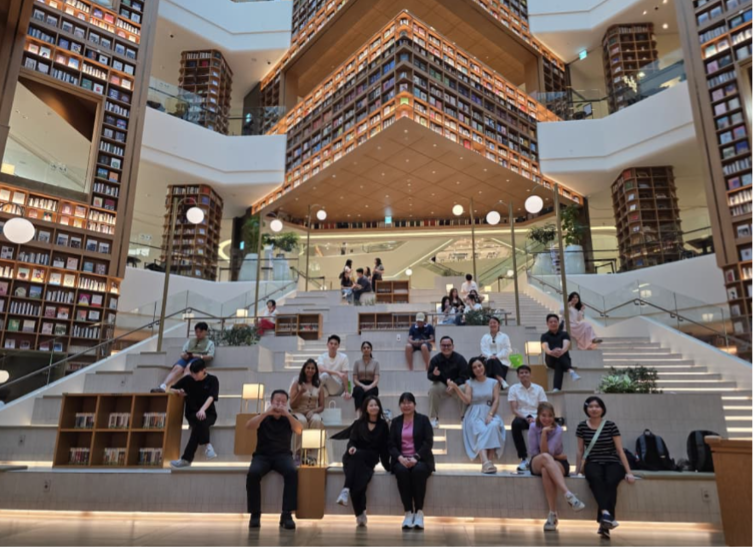
Visits to Seoul and Suwon, including Starfield Library and Myeongdong, offered another perspective, allowing participants to observe contemporary lifestyles, urban spaces and consumer culture alongside Korea’s traditional heritage. The contrast was striking: a country deeply rooted in its history while simultaneously embracing technology, creativity, modernity, business and sustainability.
These experiences extended the learning beyond knowledge of Korea itself. They also helped participants to develop cross-cultural awareness, adaptability, communication skills and confidence in navigating an international environment.
More Than Students: Representing USM and Malaysia
Throughout the programme, the participants carried a responsibility that went beyond their individual learning.

They represented USM and Malaysia in their interactions with Namseoul University academics and students, industry representatives, practitioners and members of the Korean community.
Those encounters created opportunities for intercultural exchange while strengthening mutual understanding between Malaysia and South Korea. In that sense, international mobility is about far more than travelling overseas. It places students in environments where they must communicate across cultures, adapt to unfamiliar situations and share their own perspectives — effectively becoming informal ambassadors of their university and country.

The experience also supports USM’s aspiration to produce graduates who are internationally exposed, culturally competent and able to operate across national and disciplinary boundaries.
From International Exposure to an International Mindset
The true value of the seven-day experience, however, lies in what participants take home.
Beyond their exposure to Korea, they developed competencies which are becoming increasingly important in a globally connected world, including intercultural communication, adaptability, global awareness, teamwork, confidence, creativity and the ability to connect academic knowledge with real-world environments.
For GSB@USM and USM, the programme further strengthens internationalisation through deeper engagement with Namseoul University while creating a platform for future academic collaboration, student mobility and knowledge exchange between Malaysia and South Korea.
For Malaysia, such programmes contribute to developing graduates with a broader understanding of how other economies innovate, industrialise and compete globally.
Exposure to Korea’s experiences in technology, manufacturing, creative industries, branding and cultural development can also encourage participants to reflect on approaches that may offer insights for Malaysia’s own business, industrial and societal development.
The mobility experience is therefore more than an overseas study opportunity. It is an investment in human capital, international networks and the global outlook of Malaysia’s future professionals and leaders.
Bringing the World Home
Sustainability was also woven into the learning journey, with participants encouraged to consider responsible resource use, heritage preservation and the need to balance industrial and economic progress with environmental and social well-being.
Moving between universities, industries, cultural institutions and communities allowed them to view sustainable development and responsible leadership through different lenses.
The programme concluded on 23 August 2026 with participants receiving their Certificates of Achievements before returning to Malaysia. Yet the most valuable takeaways were not contained in the certificates.
They returned with international friendships, greater confidence, intercultural understanding, industry perspectives, global networks and a broader sense of what they can achieve in an increasingly interconnected world.
From learning the Korean language to exploring the country’s economic transformation; from shaping glass to practising Korean archery; from tracing Samsung’s innovation journey and experiencing Hyundai Steel’s industrial environment to discovering K-Beauty, contemporary Seoul and Korea’s historic heritage — South Korea became more than a destination.
It became a living classroom.
For USM, the programme demonstrates how international mobility can bring education, industry, business, culture and society together in a meaningful learning experience.
For Malaysia, it represents another step towards nurturing globally competent talent capable of learning from the world, building international connections and bringing those perspectives home.
They travelled to Korea as USM students. They returned as globally connected learners — carrying Malaysia with them and bringing the world back to USM.