USM–UTU TAKE COASTAL AND AQUATIC SCIENCES RESEARCH TO THE FIELD IN WEST ACEH
Multidisciplinary research, academic exchange and community engagement strengthen Malaysia–Indonesia collaboration in coastal science
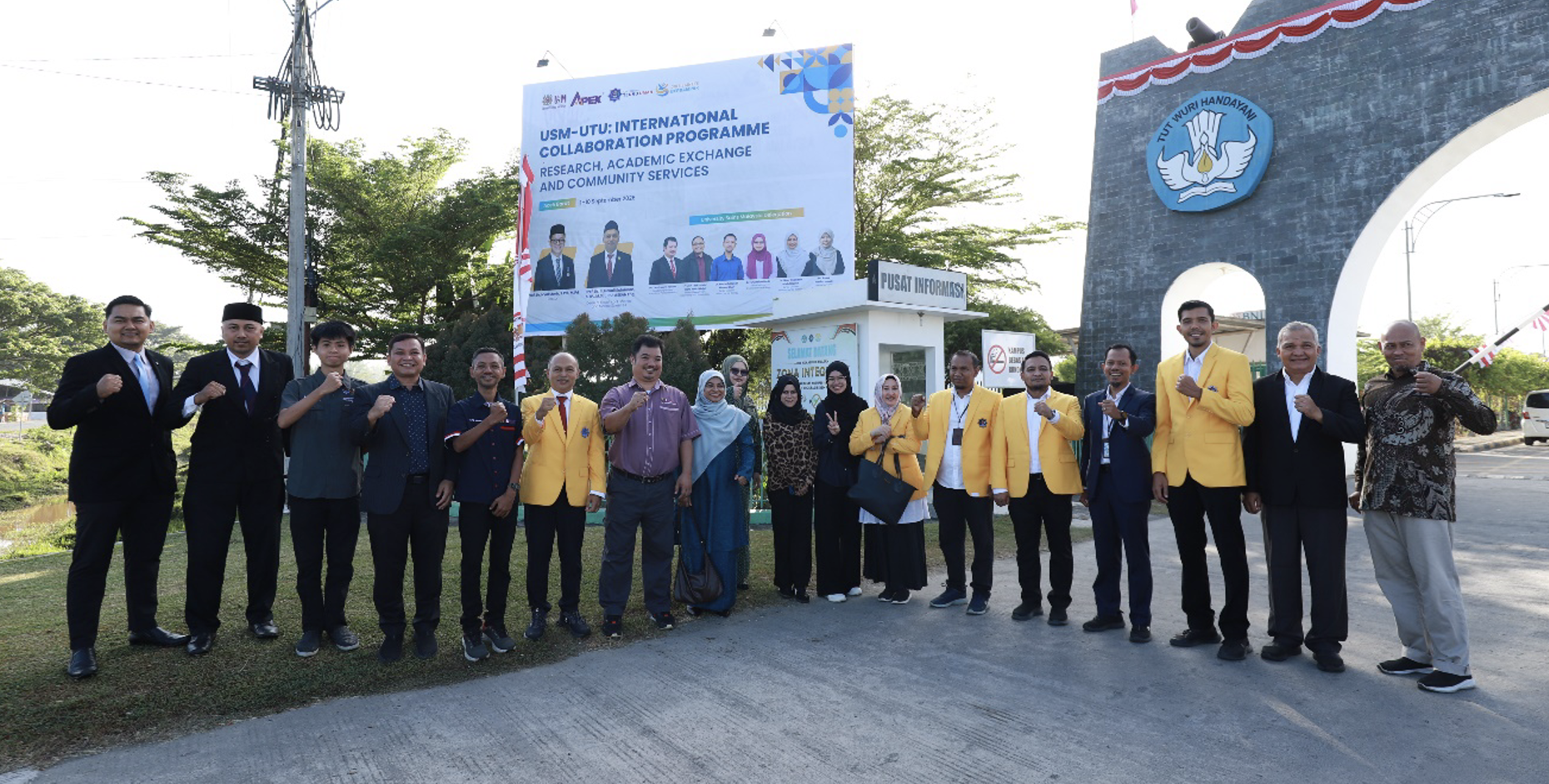
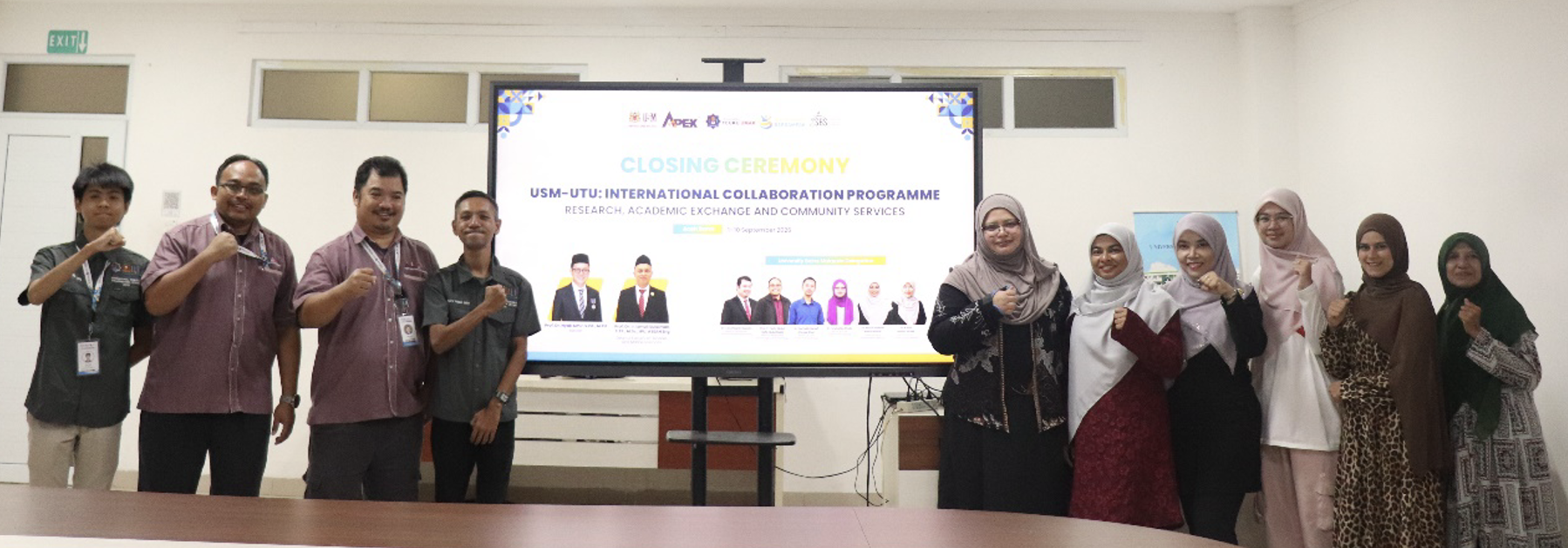
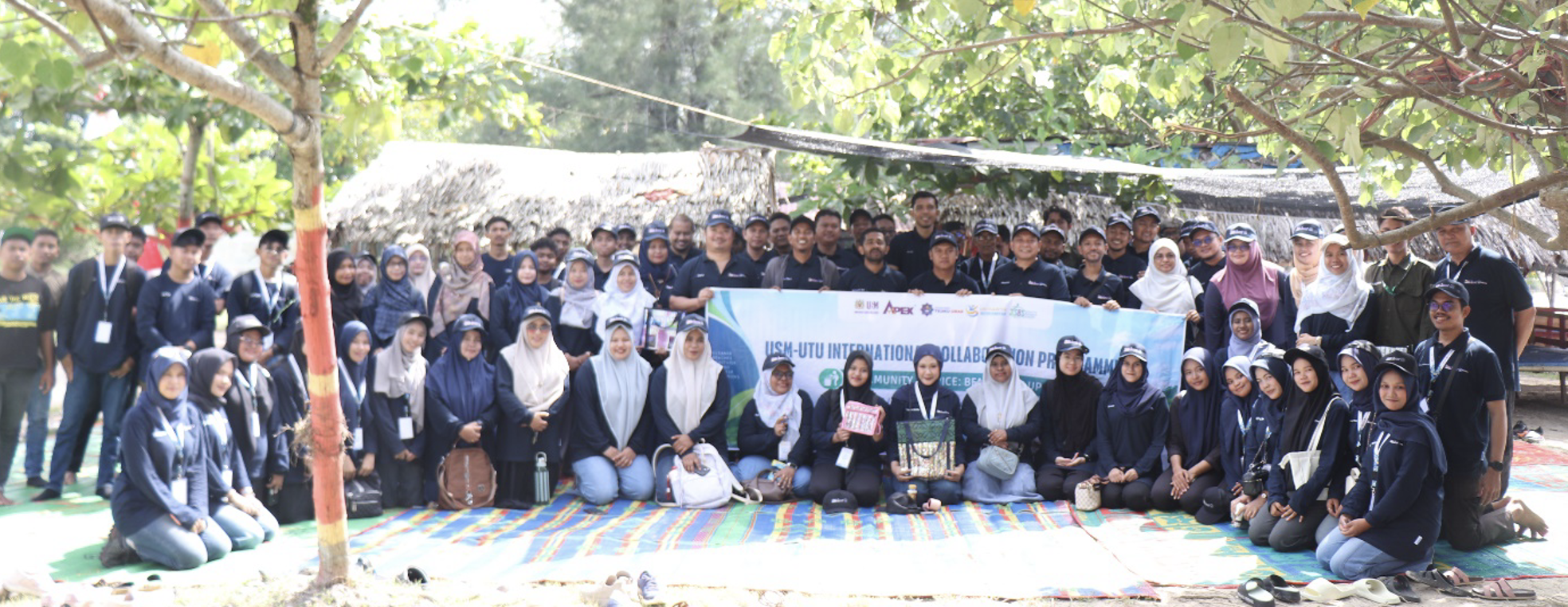
The USM–UTU International Coastal and Aquatic Sciences Research, Academic Exchange and CSR Programme 2026 concluded successfully on 10 September 2026, bringing together academics, researchers, and postgraduate students from the School of Biological Sciences (SBS), Universiti Sains Malaysia (USM), and Universitas Teuku Umar (UTU), Indonesia, for 10 days of coastal and aquatic sciences research, academic exchange, specialised scientific workshops, guest lectures, and community-based Corporate Social Responsibility (CSR) activities.
The programme was centred in Lhok Bubon, West Aceh, an area with diverse coastal ecosystems and strong connections to fisheries and coastal communities.
The USM delegation brought together expertise in marine fish taxonomy and phylogeny, fish nutrition and sustainable feed development, marine ecology and coastal macrobenthic assemblages, fisheries science and fish ecology, freshwater zooplankton and water quality, as well as urban and molecular entomology.
The programme also involved postgraduate students working in areas including marine sciences, molecular fish reproduction, and environmental sciences.
From Collaboration to Field-Based Action
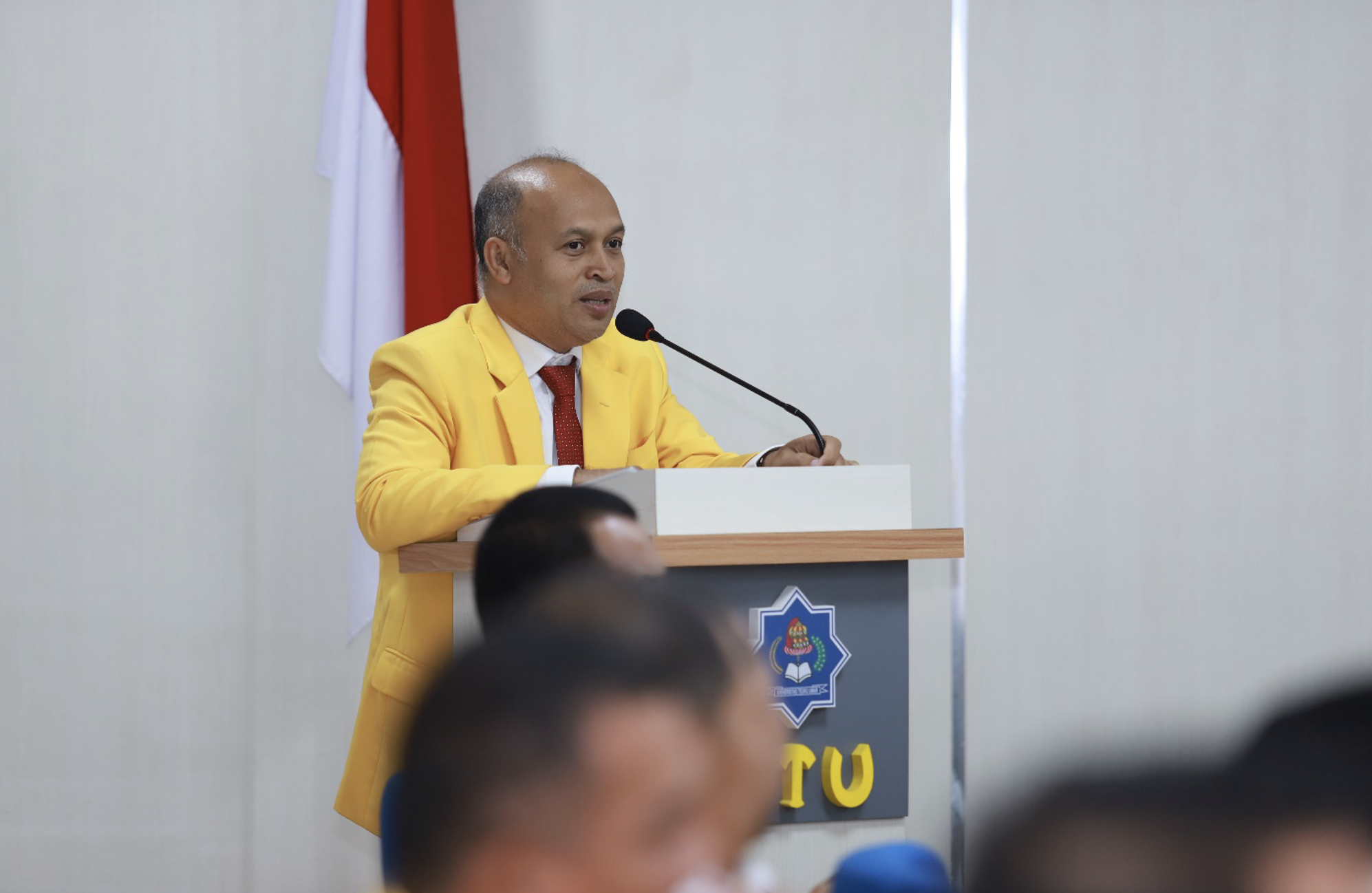
According to Dean of the Faculty of Fisheries and Marine Sciences (FPIK), Universitas Teuku Umar, Professor Dr. Ir. Ismail Sulaiman, S.TP., M.Sc., IPU, ASEAN Eng., the programme represents a shift from conventional academic collaboration towards a more action-oriented model of international partnership.
He emphasised that the success of international collaboration should not be measured solely by the number of meetings, seminars or cooperation documents produced, but by the scientific, educational, environmental, and socioeconomic benefits generated for coastal communities.
“The true measure of this international collaboration is not simply the number of seminars conducted or documents signed, but how far our joint research can benefit fishing communities, strengthen academic development, and contribute to the economic and environmental sustainability of the West South Aceh region.”
Ismail further highlighted the importance of universities in translating scientific knowledge and research outcomes into meaningful applications for society.
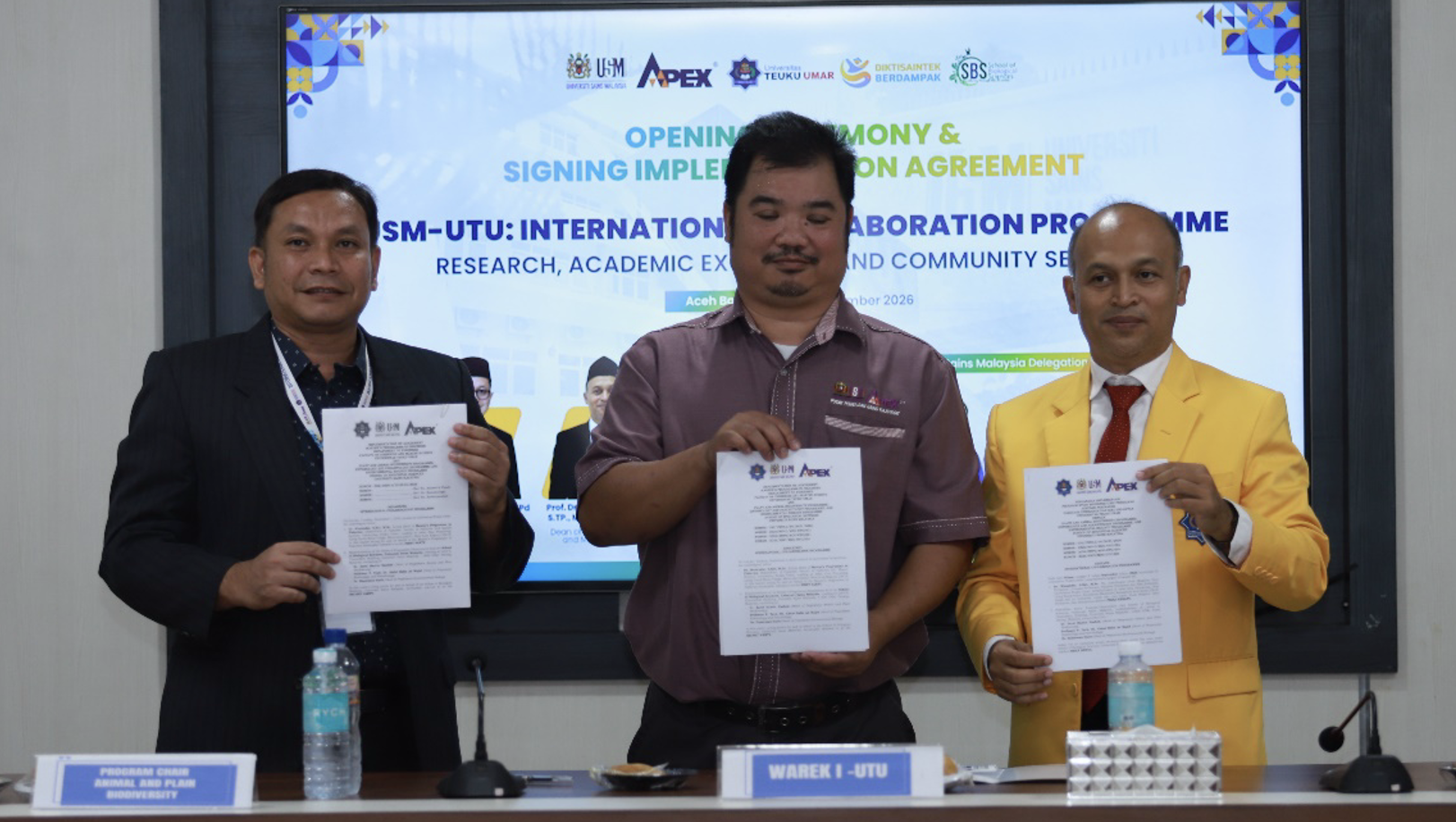
The collaboration therefore addressed a range of issues related to marine food security, biodiversity utilisation, environmental management, fisheries resources, parasitology and entomology, and fisheries-product innovation.
The programme also provided an avenue for strengthening academic cooperation and supporting the further development of the UTU postgraduate fisheries programme towards international standards.
The official invitation from FPIK UTU described West Aceh's coastal waters as a valuable field laboratory for marine and climate studies, particularly for research on habitat biodiversity, environmental monitoring, and sustainable fisheries management.
USM: Building a Living International Field Laboratory
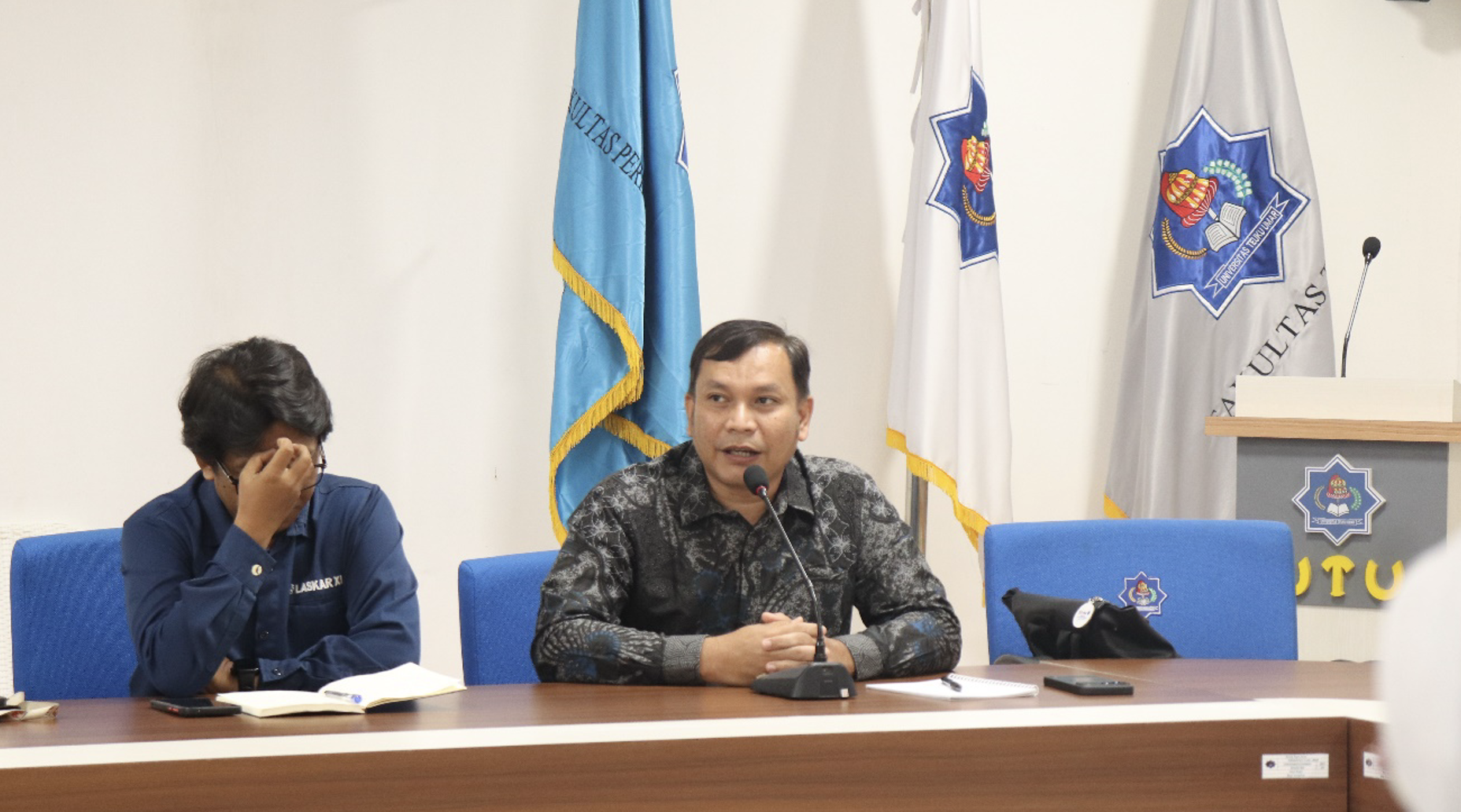
Representing USM, Dr. Norhafiz Hanafi, Senior Lecturer at the School of Biological Sciences and Person in Charge (PIC) of the USM delegation, described the programme as an opportunity to bring scientific expertise beyond the university laboratory and into a real coastal environment.
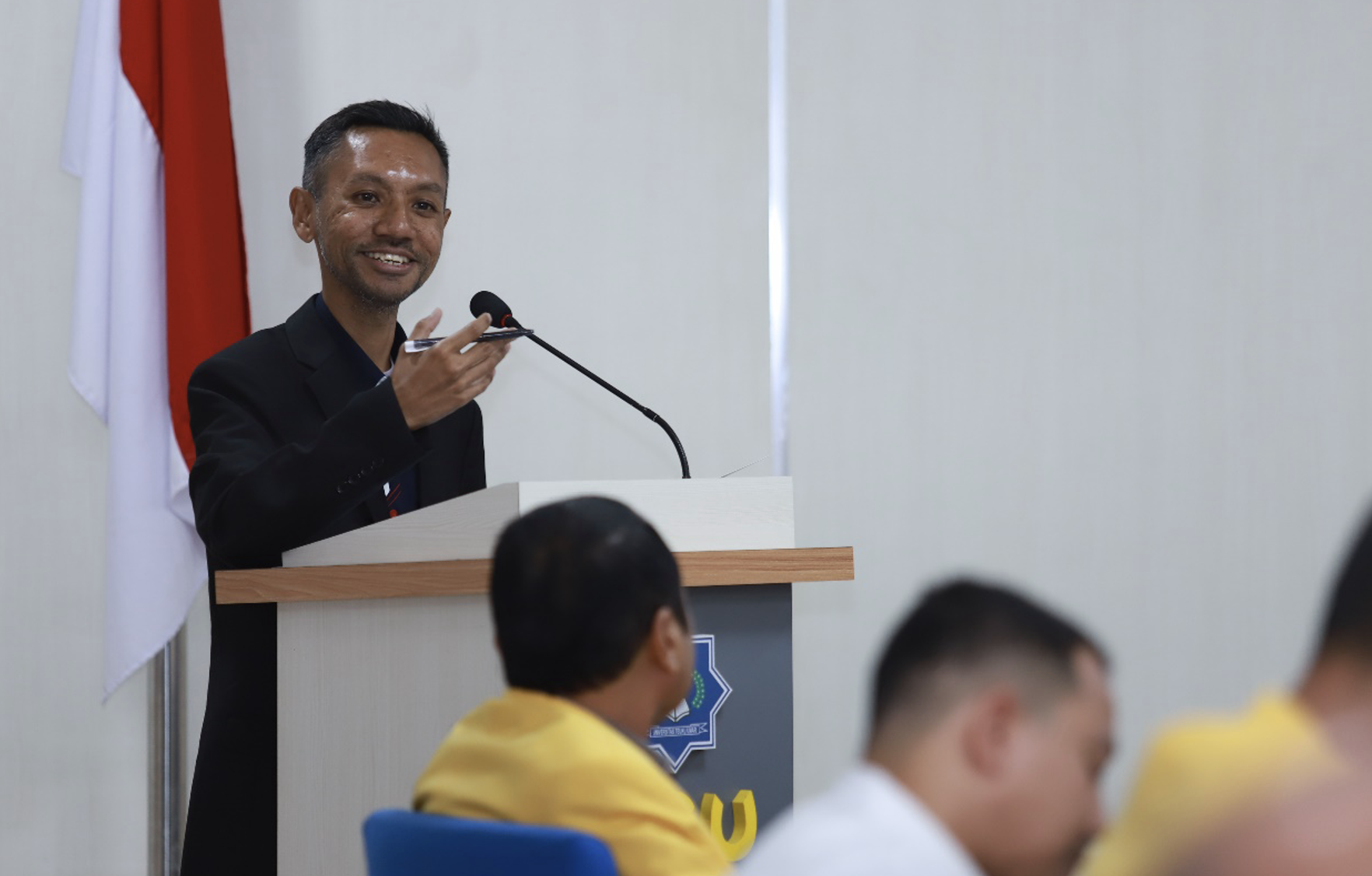
“This collaboration provides an opportunity for USM researchers and postgraduate students to engage directly with the coastal ecosystems and communities of West Aceh. Beyond collecting scientific data, we hope to exchange knowledge, methods, and experiences with our colleagues at UTU and contribute to building a stronger regional research network in coastal and aquatic sciences.”
Norhafiz noted that the Lhok Bubon and West Aceh coastal landscape provides an important natural laboratory for multidisciplinary research.
“The combination of coastal biodiversity, fisheries activities, environmental pressures, and community-based resource use creates opportunities for researchers from different disciplines to work together and generate complementary scientific knowledge.
“What makes this programme particularly meaningful is its multidisciplinary character. Marine biodiversity research can be connected with fisheries science, ecology, nutrition, environmental biology, parasitology, entomology, and other areas. At the same time, our postgraduate students can experience how research is conducted within a different ecological, institutional and cultural setting,” he explained further.
The programme therefore goes beyond conventional academic mobility by integrating research, teaching, knowledge exchange, and community engagement within a single international platform.
The official programme provided for field research, scientific workshops, a Guest Lecture Series and CSR activities, supported by UTU through local liaison, field assistance, sampling protocols, laboratory facilities, and networking with local stakeholders.
Connecting Science with Coastal Communities
For Dr. Munandar, UTU Programme Coordinator, the field component is a particularly important element of the collaboration.
“During those ten days, the researchers not only exchanged ideas in meeting rooms. They were directly exposed to the coastal ecosystem, local fisheries activities, and the socioeconomic realities of coastal communities. This provided an important opportunity to understand how scientific knowledge can be connected with local needs.”
Munandar explained that the programme is designed to encourage researchers and students to engage with local knowledge and community practices, including the ways coastal communities interact with and manage marine resources.
He added that the programme positions FPIK UTU as an important platform for internationalisation based on regional potential, while creating opportunities for broader multidisciplinary collaboration across UTU in the future.
“FPIK is becoming an important entry point for internationalisation that is grounded in local potential. We hope this collaboration can gradually expand to other faculties and disciplines at UTU so that the benefits of international research and community engagement can reach a wider section of society.”
Strengthening Malaysia–Indonesia Academic Networks
The collaboration reflects the shared commitment of USM and UTU to strengthen long-term academic and research partnerships between Malaysia and Indonesia, particularly in the field of coastal and aquatic sciences.
The programme provides opportunities for joint research, student and staff mobility, scientific networking, shared laboratory utilisation, and future collaborative publications.
The official UTU invitation identified the programme as an initiative to expand global marine science through international partnerships while strengthening the academic and cultural relationship between Malaysia and Indonesia.
For USM, the programme also provided an important platform for postgraduate students to gain international field and research experience. The participating postgraduate students represent research interests spanning marine sciences, molecular fish reproduction, and environmental sciences.
Additional USM academic expertise joined the programme during the 6–10 September workshop and academic exchange phase, further expanding the multidisciplinary scope of the collaboration.
Towards a Sustainable Coastal Research Partnership
Rather than being a one-off academic visit, the USM–UTU International Coastal & Aquatic Sciences Research, Academic Exchange and CSR Programme 2026 is envisioned as a platform for developing sustained collaboration in research, education, and community engagement.
Through field-based research in Lhok Bubon, academic exchange between researchers and students, specialised scientific workshops, guest lectures and community-oriented activities, the programme seeks to demonstrate how international university partnerships can translate scientific expertise into locally relevant outcomes.
As Norhafiz concluded: “Our goal is not simply to visit West Aceh and conduct research. We want to build relationships, share expertise, and create a foundation for future collaboration. Ultimately, we hope this partnership will contribute to stronger science, better opportunities for our students and tangible benefits for coastal communities.”
The 2026 programme marks another step towards establishing West Aceh as a potential international field laboratory for coastal and aquatic sciences, while strengthening the academic bridge between USM and UTU, and fostering a deeper Malaysia–Indonesia partnership in sustainable coastal resource management.