USM STUDENTS DIVE INTO GLOBAL LEARNING WITH THE 11TH HIROSHIMA CITY UNIVERSITY EXCHANGE PROGRAMME
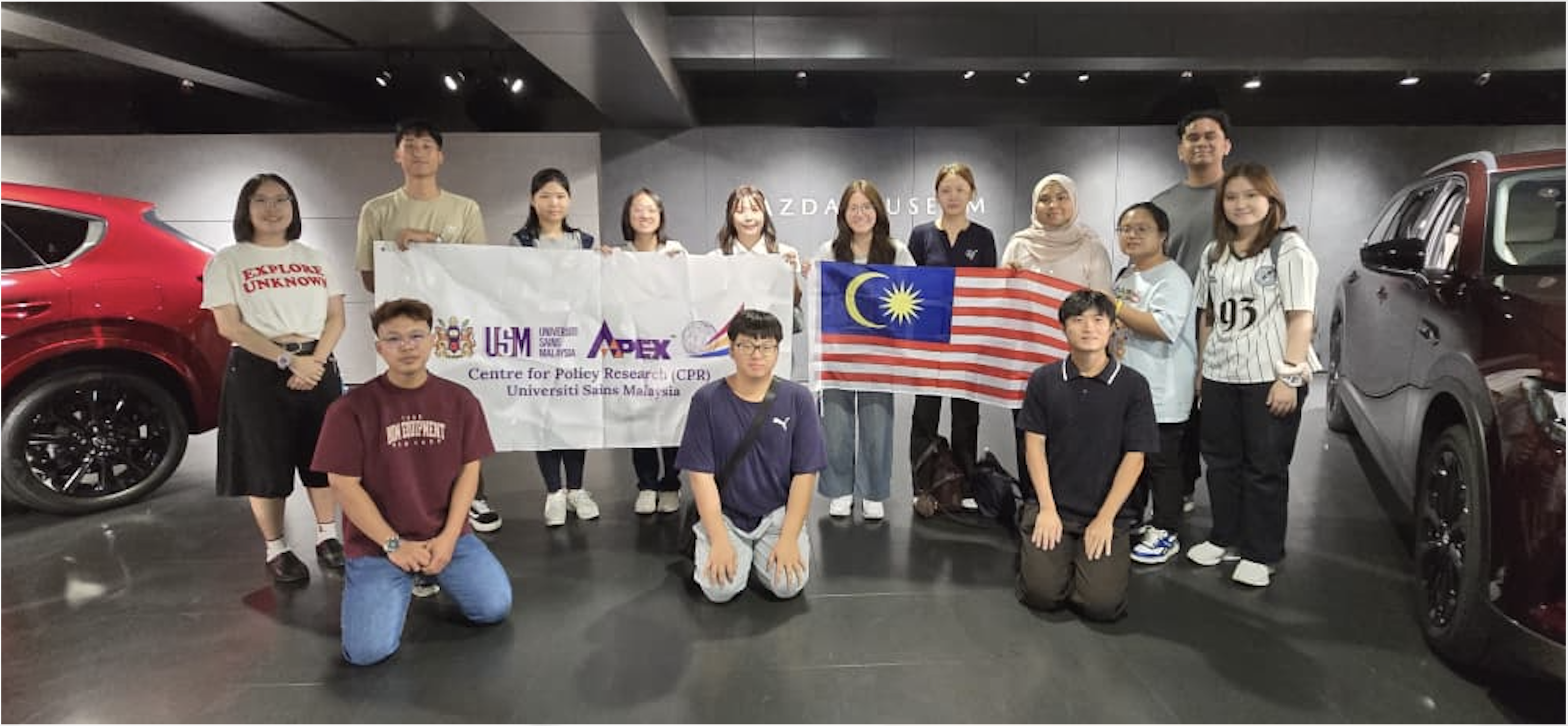
14 students from Universiti Sains Malaysia (USM) crossed borders for the 11th edition of the annual student exchange programme with Hiroshima City University (HCU), Japan, recently.
Organised by the Centre for Policy Research (CPR), USM, the long-running initiative is created to provide students with practical exposure to Japanese cultures, daily lives and peace education. The initiative was initially established by Professor Emeritus Dr. Omar Farouk Sheikh Ahmad, former Fellow and Visiting Professor at CPR USM.
The alliance between USM and HCU is currently advancing through its third five-year Memorandum of Understanding (MoU) and Memorandum of Agreement (MoA) cycle, cementing collaborative ties until 2030.
According to the exchange programme coordinator, Associate Professor Dr. Sazlina Md Salleh, the programme is not simply another study trip. “The main goal of this partnership is to give our students an international and cross-cultural experience that goes beyond a normal study visit, not just to visit Japan, but to experience what it is like to live, communicate and adapt in a different cultural environment,” explained Sazlina.
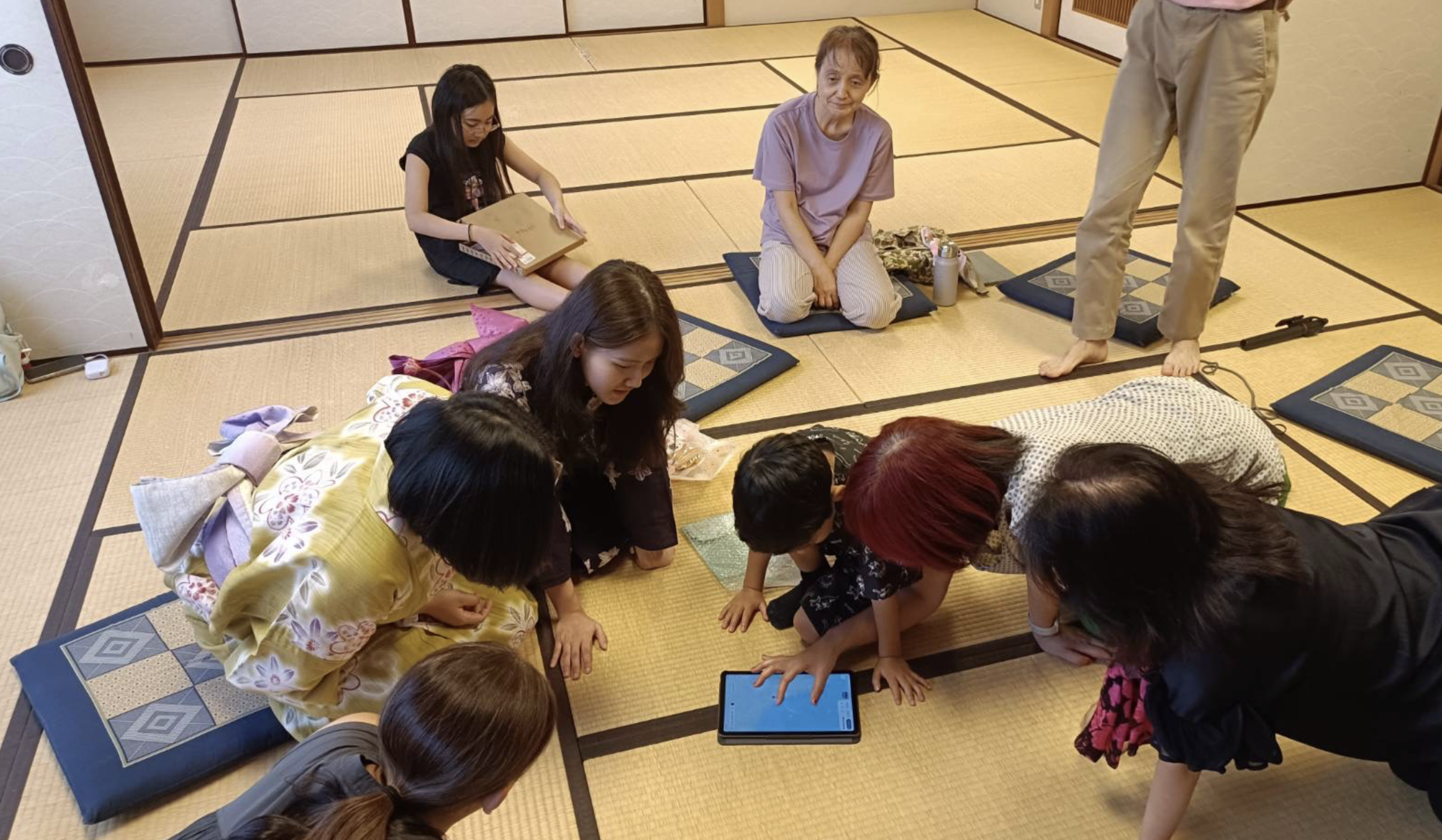
Sazlina also highlighted the home-staying aspect of the programme, where students lived with real Japanese families for a period of the exchange. “Each student stayed with a different host family, becoming part of the family’s daily life for those few days,” she started. “Eating together, communicating across language and cultural differences, alongside travelling from their host family’s home to join the programme each day, with some even travelling almost an hour to reach the meeting point,” added Sazlina.
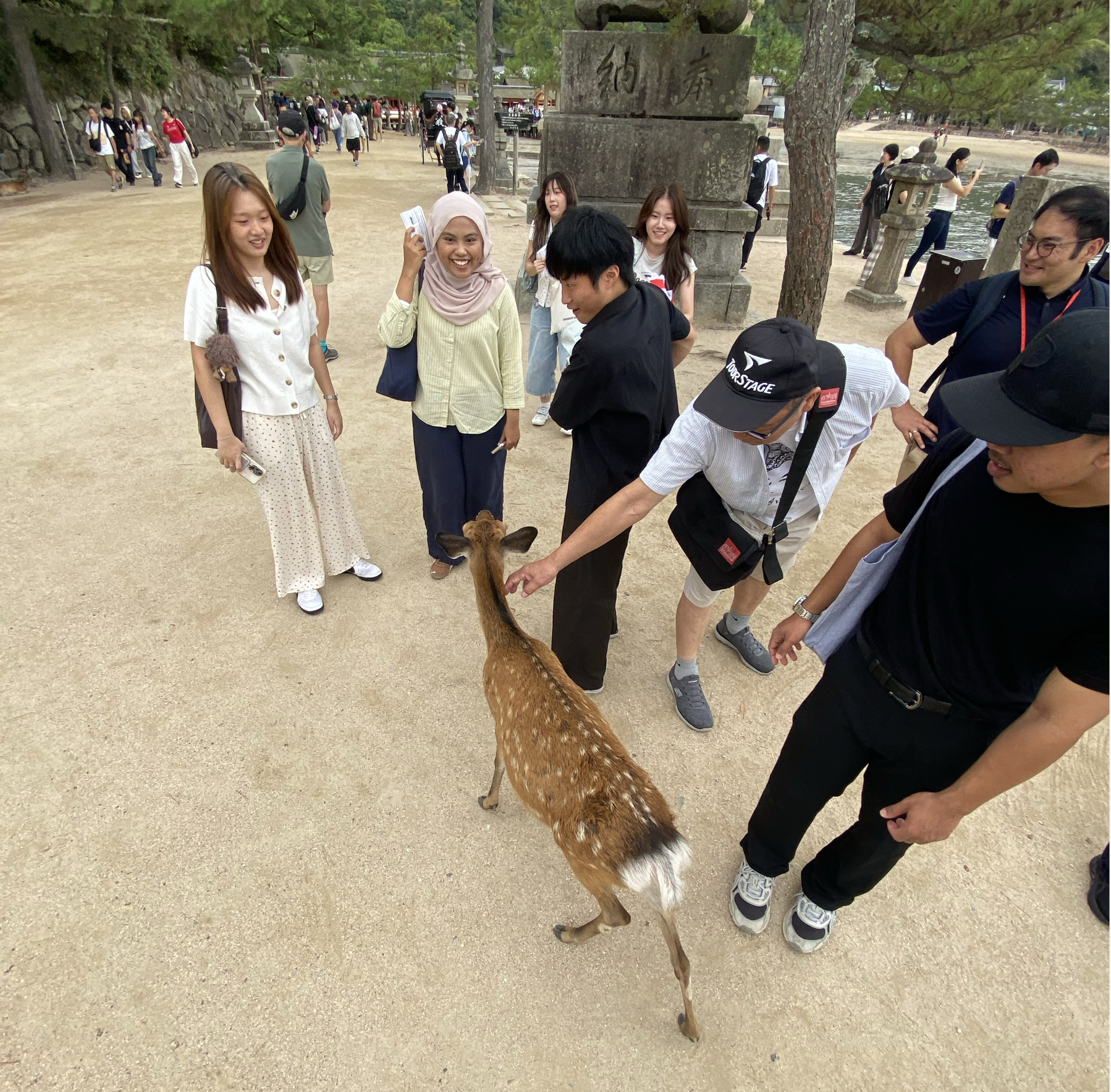
Throughout the programme, participants attended special lectures at HCU, took a technical visit to the Mazda manufacturing plant and explored historical landmarks including Shukkeien Garden and Miyajima Island.
The exchange also placed strong emphasis on historical reflection through visits to Honkawa Elementary School Peace Museum and Hiroshima Peace Memorial Museum, where students heard firsthand accounts from a Hibakusha (atomic bomb survivor).
One of the exchange participants, Muhammad Fariz Hafiz Mohamad Noor from the School of Biological Sciences, remarked that it was one of the best experiences he ever had. “I really enjoyed the opportunity to explore Japan, experience a different environment and meet new people, which allowed me to learn a lot about Japanese culture, especially its traditions and lifestyle while gaining a deeper appreciation for the differences between Malaysian and Japanese cultures.”
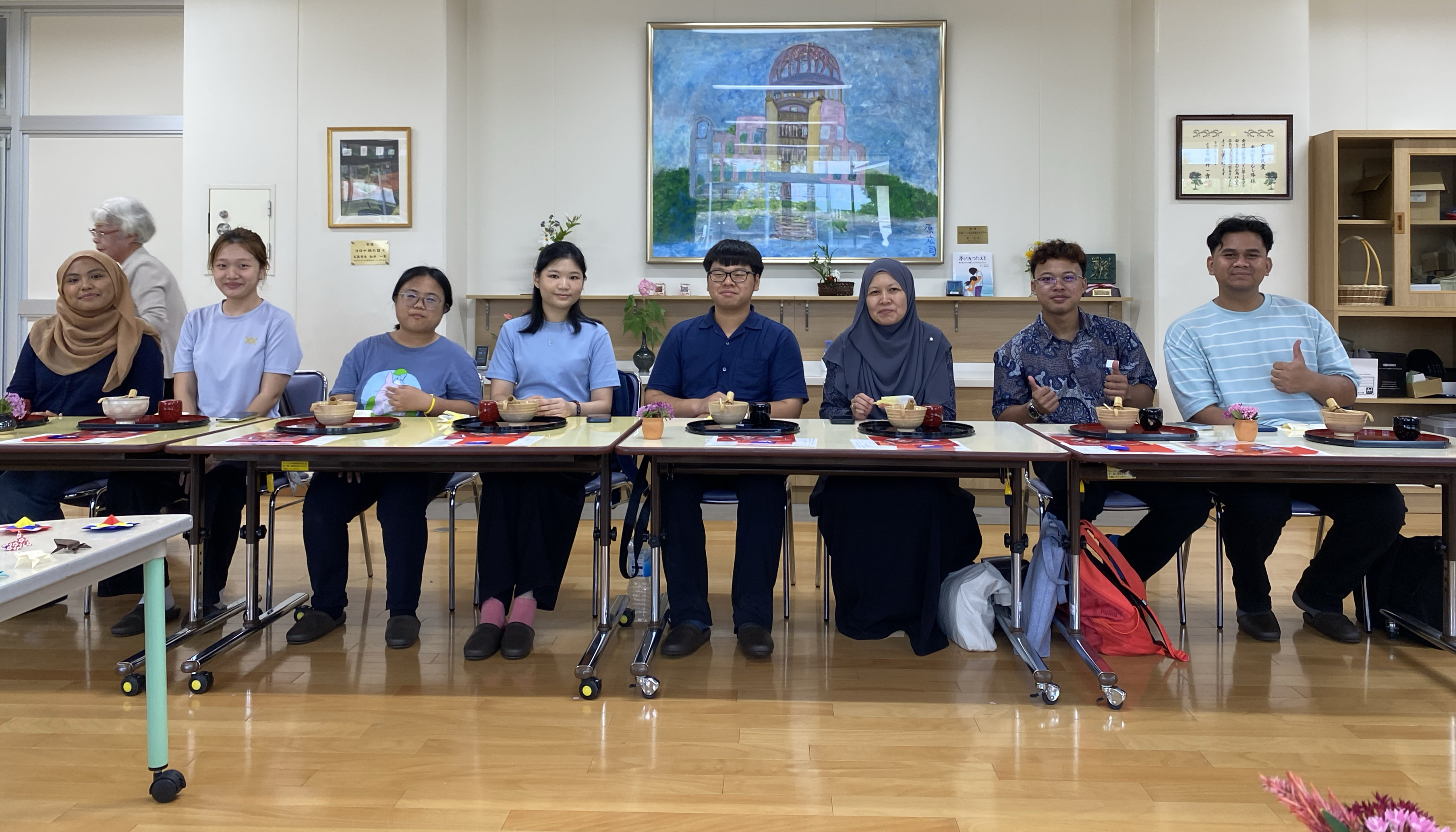
He also mentioned that the home-staying aspect was a particularly memorable part of the trip. “Staying with my foster family gave me the opportunity to experience their routines, meals and family activities firsthand, making the exchange far more personal and meaningful as I learnt more about their daily life and what it is like to live as a family in Japan,” explained Muhammad Fariz.
For Krista Tang Yu Ting from the School of Industrial Technology, the programme was initially a leap outside her comfort zone, enrolling into the programme on her own. “Looking back, I am not entirely sure where I found the courage to enrol in this programme on my own, but I realised that embarking on a journey alone isn't a bad thing, as it served as a valuable lesson in learning to embrace and enjoy my own company,” she shared.
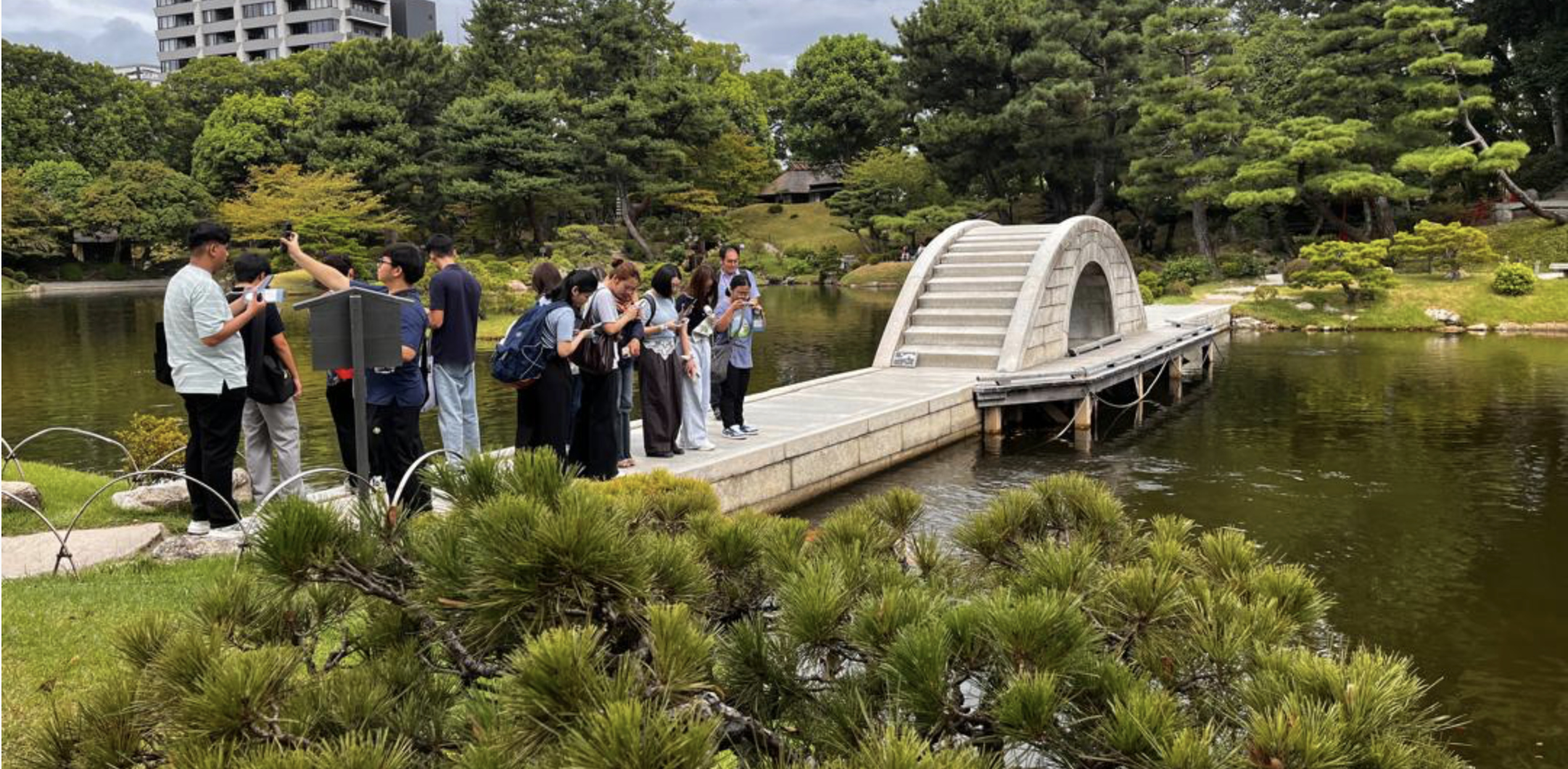
She also added that the programme gave her the opportunity to connect and form relationships cross-borders, from friendships with fellow participants to forming a bond with her foster family that greatly reminded her of her own back in Sarawak. Yet, alongside the warmth and life, Hiroshima’s history left a deep impression on her. “I still vividly remember everything I saw at the Peace Memorial Museum, and I cannot imagine the sheer despair of being a victim of the atomic bomb,” said Krista.
Hearing the firsthand account of the Hibakusha at the museum stuck with her deeply. “Meeting an atomic bomb survivor deeply pained my heart, knowing how much they suffered both mentally and physically, which serves as a reminder to cherish everything we have today,” she added.
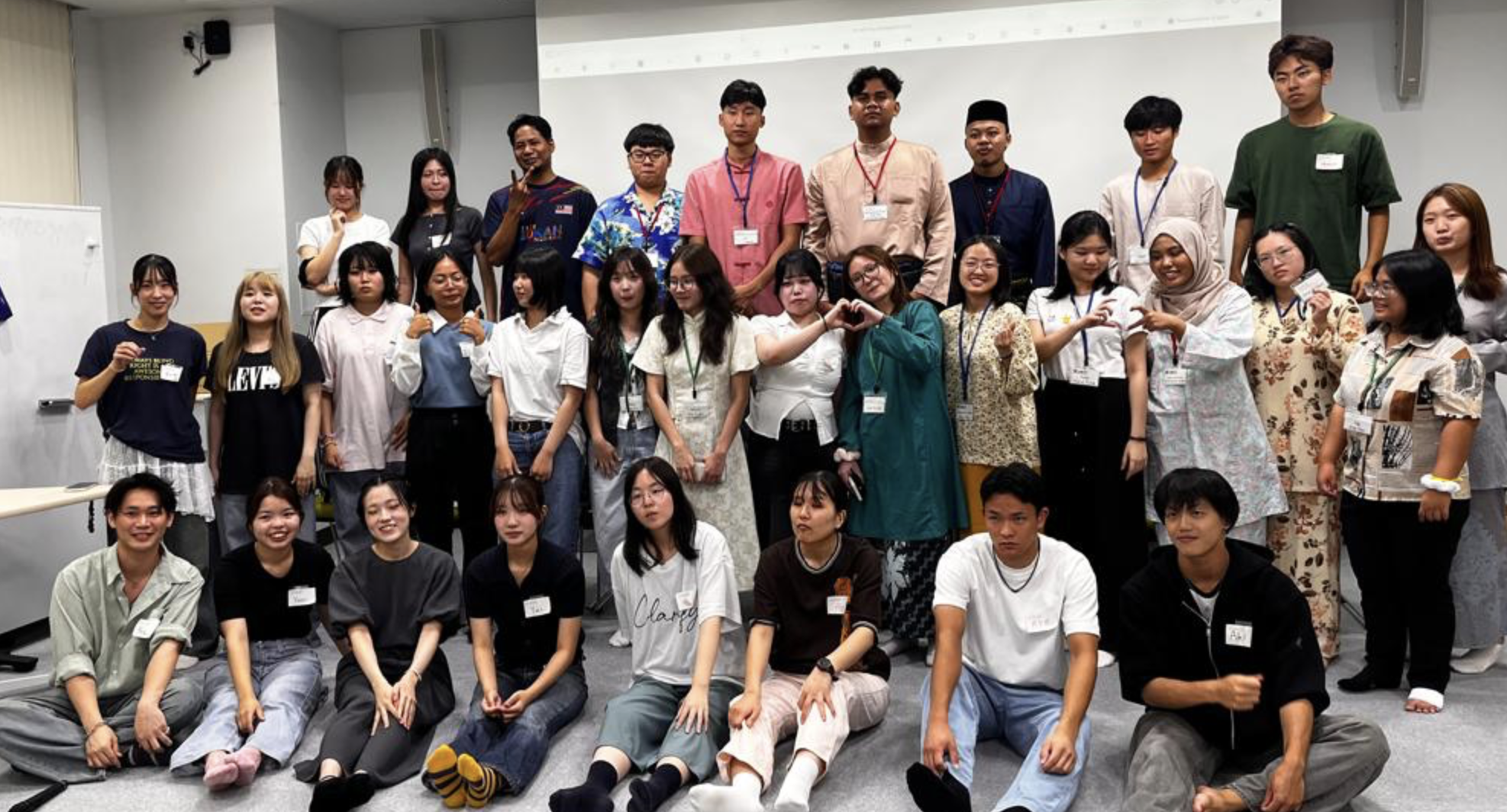
She noted that the encounter served as a powerful reminder of life's fragility and the importance of peace in an uncertain world. “Especially as current global politics become increasingly tense, I realise that we never truly know whether tomorrow or an unexpected misfortune will arrive first,” Krista reflected.
For these students, leaving Hiroshima meant saying goodbye to their host families and returning to USM with a much wider view of the world. Ultimately, the programme provided a well-rounded cultural exchange that educated students on peace, culture and empathy.