USM SCHOOL OF EDUCATIONAL STUDIES ADVANCES EDUCATION FOR SUSTAINABLE DEVELOPMENT (ESD) THROUGH YRU–USM INTERNATIONAL COLLABORATION
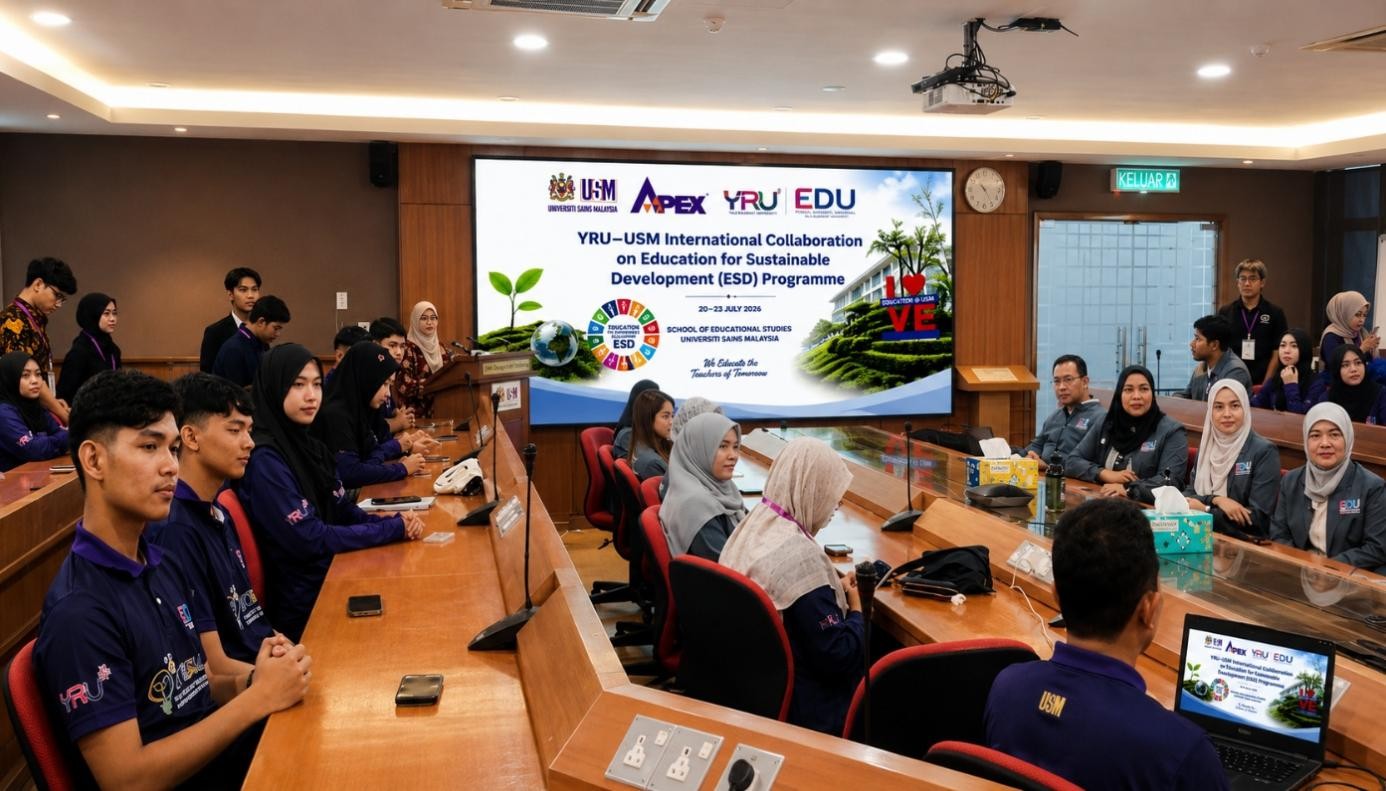
The School of Educational Studies (PPIP), Universiti Sains Malaysia (USM), strengthened its commitment to Education for Sustainable Development (ESD) through the successful organisation of the 'YRU-USM International Collaboration on Education for Sustainable Development Programme', held from 20 to 23 July 2026. The four-day programme brought together 25 preservice teachers and 17 lecturers and staff members from Yala Rajabhat University (YRU), Thailand, for a meaningful learning experience focused on sustainability, intercultural exchange, and educational collaboration.
The programme adopted two complementary learning approaches tailored to its participants. Two ESD workshops for the visiting lecturers and staff were conducted by Associate Professor Dr. Shahabuddin Hashim and Associate Professor Dr. Aswati Hamzah from the Psychology Cluster, School of Educational Studies. Meanwhile, the preservice teachers participated in a series of learning activities coordinated by the ESD Ambassadors (Duta ESD), led by Professor Dr. Hairul Nizam Ismail and Associate Professor Dr. Melissa Ng Lee Yen Abdullah, with support from the administrative staff and students who also served as ESD Ambassadors.
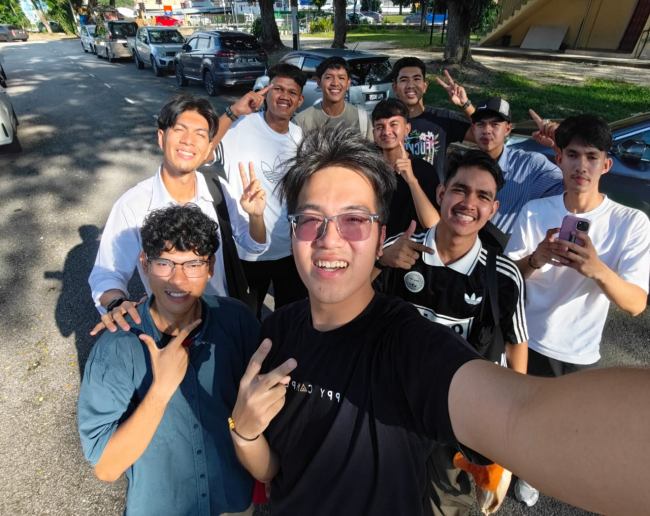
The students’ ambassadors were preservice teachers who had participated in IIC-ESD, where they presented SDG-related educational innovations developed through the PGT101 Educational Psychology course. Drawing on this experience, they guided the YRU students as peer mentors, supported intercultural exchange and promoted sustainability throughout the programme. Throughout the programme, the ESD Ambassadors facilitated discussions, coordinated activities and supported intercultural engagement. Their contributions reflected the principles of community engagement, collaboration and empowerment for sustainable change, which are emphasised in the TRACE–ESD framework for sustainability-oriented teacher development. Both components emphasise how sustainability knowledge can be translated into collaborative learning and meaningful, authentic ESD-related field experiences.
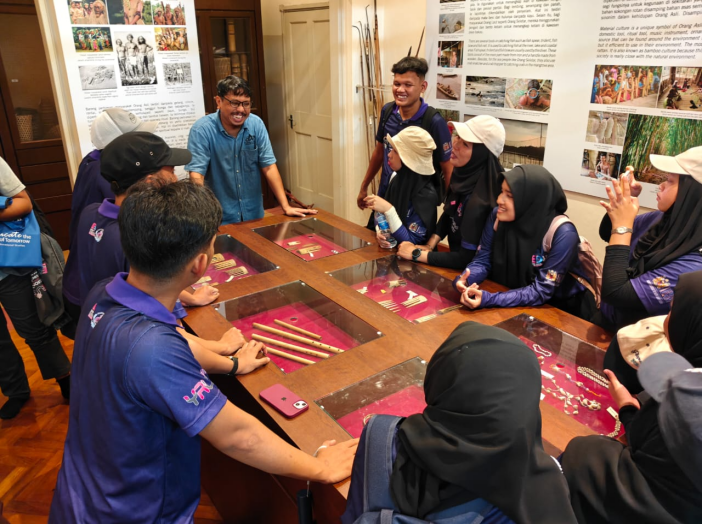
On the first day, the YRU preservice teachers visited Muzium dan Galeri Tuanku Fauziah and the Centre for Global Archaeological Research (CGAR), USM. Through exhibitions and educational activities, they explored the connections among culture, science, biodiversity, human civilisation and environmental conservation, while recognising the importance of preserving natural and cultural heritage for future generations.
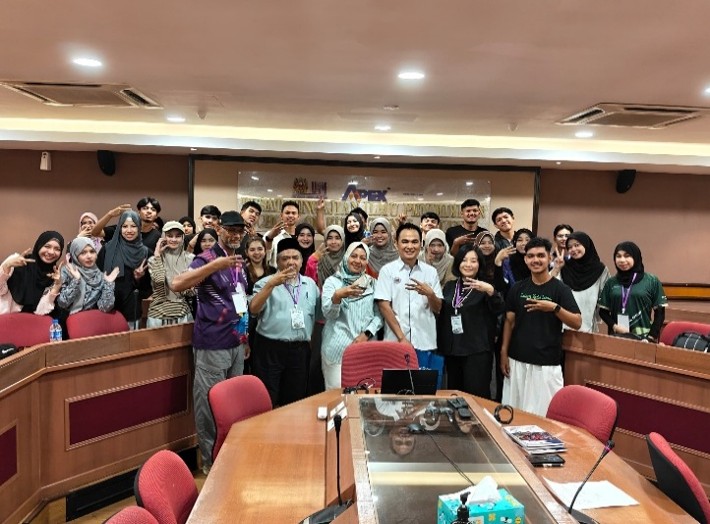
On the second day, the preservice teachers learned about RCE Penang, the global Regional Centre of Expertise network, ESD and USM’s sustainability initiatives. The session was delivered by Associate Professor Dr. Japareng Lalung, Coordinator of RCE Penang. Their learning was further reinforced through the Sustainability Treasure Hunt, an interactive activity led by the student ESD Ambassadors. The activity encouraged participants to explore sustainability-related locations, initiatives, and practices across the USM campus, transforming sustainability concepts into authentic learning experiences and demonstrating how knowledge can be translated into meaningful action.
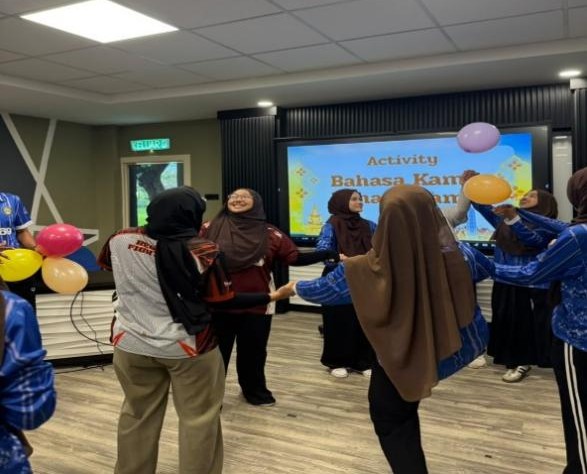
On the third day, in the spirit of intercultural understanding and regional collaboration, the YRU conducted a Thai Language and Cultural Learning Class for USM students. The activity promoted cultural appreciation, inclusive communication and mutual respect, emphasising that sustainable communities are built upon social harmony and respect for diversity.
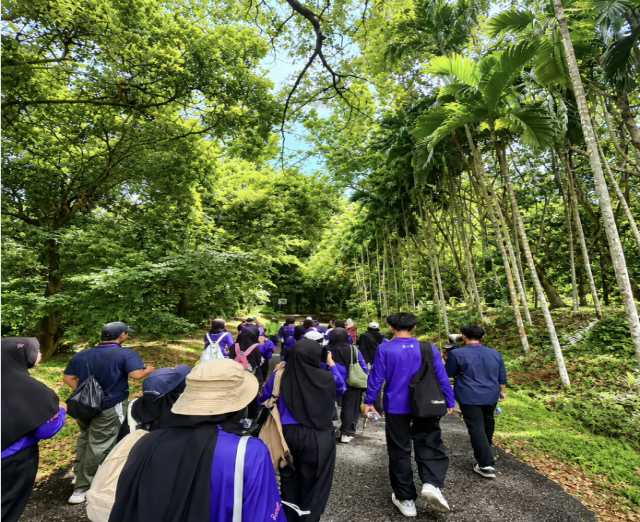
The programme concluded with an educational visit to Penang Hill, where participants explored biodiversity, environmental conservation, heritage and sustainable tourism. Through experiential learning activities, they examined the importance of balancing tourism and economic development with the protection of natural ecosystems and cultural landscapes for future generations.
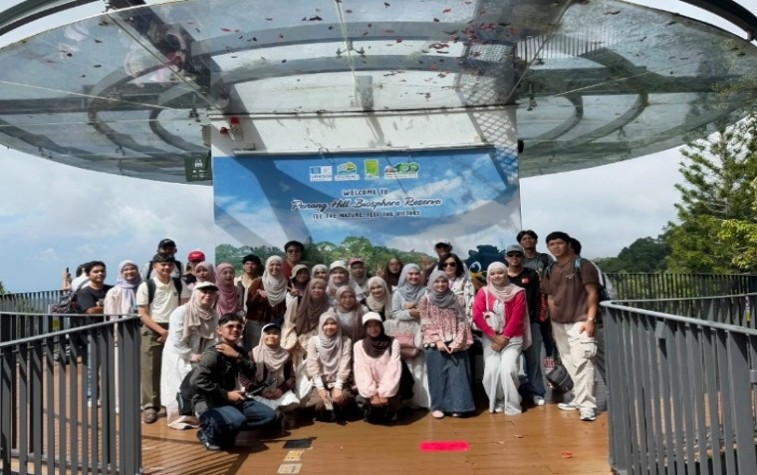
Through this international collaboration on ESD, the USM School of Educational Studies reaffirmed its commitment to advancing Education for Sustainable Development through teacher education, experiential learning, and regional partnerships. More importantly, the programme demonstrated USM’s leadership in extending ESD beyond the classroom through meaningful and authentic field experiences that empower preservice teachers to contribute to a more sustainable future.