USM ADDS 200 PLACES, STRENGTHENS ELECTRONICS AND SEMICONDUCTOR TALENTS
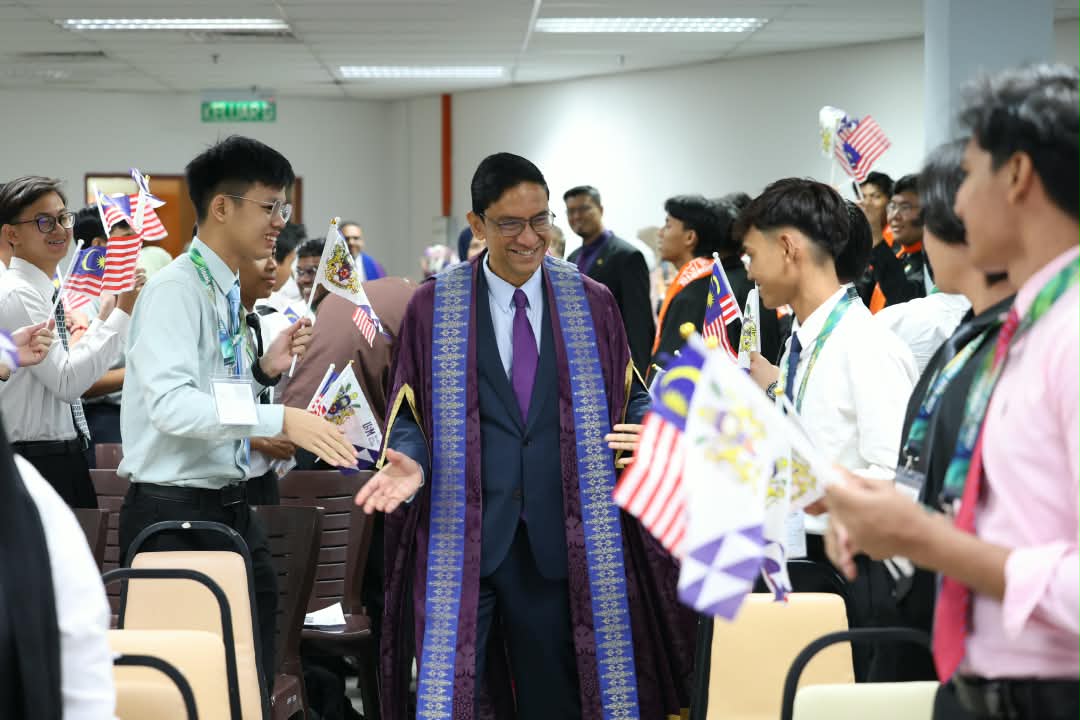
PENANG, 7 October 2026 – Universiti Sains Malaysia (USM) is expanding its intake of undergraduate students in electronic engineering with an additional allocation of 200 places at the USM Main Campus here, beginning from the 2026/2027 Academic Session.
The inaugural intake for the Bachelor of Electronic Engineering Programme (PISMKE) offered by the School of Electrical and Electronic Engineering (PPKE) at the USM Main Campus in Penang, has been introduced as a strategic initiative to strengthen local talent development in high-value electronic engineering and semiconductor fields.
The additional intake of future talents complements the annual intake of 150 students for the same programme at the Tuanku Syed Sirajuddin Engineering Campus in Nibong Tebal.
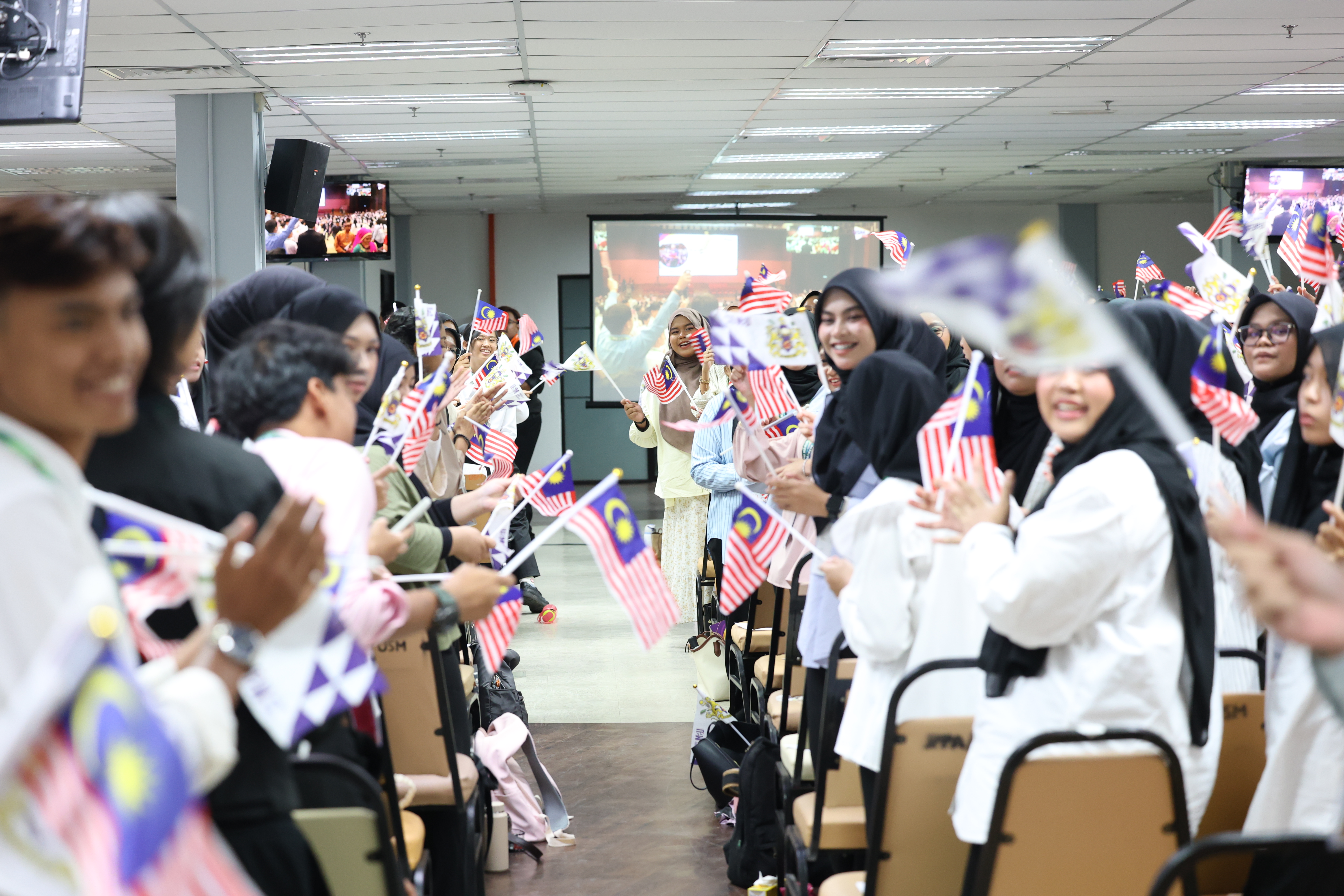
USM Vice-Chancellor, Professor Dato’ Seri Ir. Dr. Abdul Rahman Mohamed said, the expanded intake is significant as Malaysia intensifies its efforts to develop industry-ready talent to meet the needs of the industry, particularly in supporting the growth of the semiconductor, automation, artificial intelligence (AI), digitalisation and advanced manufacturing sectors.
He added that through PISMKE, students are not only exposed to the fundamentals of electronic engineering, but are also provided with learning experiences that are closely aligned with actual industry needs through an application- based and problem-solving approach.
“This programme emphasises fundamental areas such as circuits, electronic systems, electronic devices, embedded applications, communications, automation, instrumentation, as well as industry-oriented projects.”
“An industry-based approach is also the core of PISMKE to ensure that students’ theoretical knowledge is complemented by exposure to real-world challenges in the technology, manufacturing and design sectors through collaboration with industry players,” he explained.
The collaboration also includes the provision of state of the art equipment, skills-sharing and direct knowledge during lectures, and developing industry-driven curriculum to ensure that teaching content remains aligned with current technological developments.
Various support from industry leaders such as INTEL, Tokyo Electron (TEL), NI-Emerson, SanDisk, StarFive International, HP, Lattice Semiconductor, Advantech, Altera and others in providing laboratory facilities, equipment, technology know-how and up-to-date learning platforms would enable students to gain hands-on experience using technologies relevant to the current needs of the electronics and semiconductor industries.
As a continuation of this approach, integrated engineering design projects and final-year projects can also be developed based on industry needs, providing opportunities to students in addressing real-world issues while developing technical, analytical and communication skills required in the workplace.
Dean of PPKE, Professor Ir. Ts. Dr. Shahrel Azmin Suandi, meanwhile, stressed that the programme focuses on producing competitive electronic engineering talent academically, while preparing them to contribute to the country’s high-value industries after graduation.
“The aim of PPKE is to produce electronic engineering talent that is academically competitive and ready to contribute to the country’s high-value industries after graduation,” he said.
In line with the New Industrial Master Plan 2030 (NIMP 2030), including the implementation of the National Semiconductor Strategy (NSS), PPKEE also supports efforts to strengthen local talent development to enable Malaysia to move further up the industry value chain.
Among the areas receiving attention are integrated circuit design, advanced packaging and digital manufacturing systems, while also supporting the national Malaysian Higher Education Plan (RPTM) and Technical and Vocational Educational and Training agendas.
Strategic relationships between educational institutions, industry players, government agencies and stakeholder communities are also important in developing a comprehensive learning ecosystem through industrial training, curriculum input, equipment provision, exposure to the latest technologies and the establishment of career pathways.
The expansion of PISMKE thus provides greater capacity for local talent development in the electronics and semiconductor fields, in line with the growing needs of the industry and Malaysia’s aspiration to strengthen its position in the technology and manufacturing value chain.