TUN DR SITI HASMAH: FROM PIONEERING A MEDICAL CAREER TO EMPOWERING WOMEN
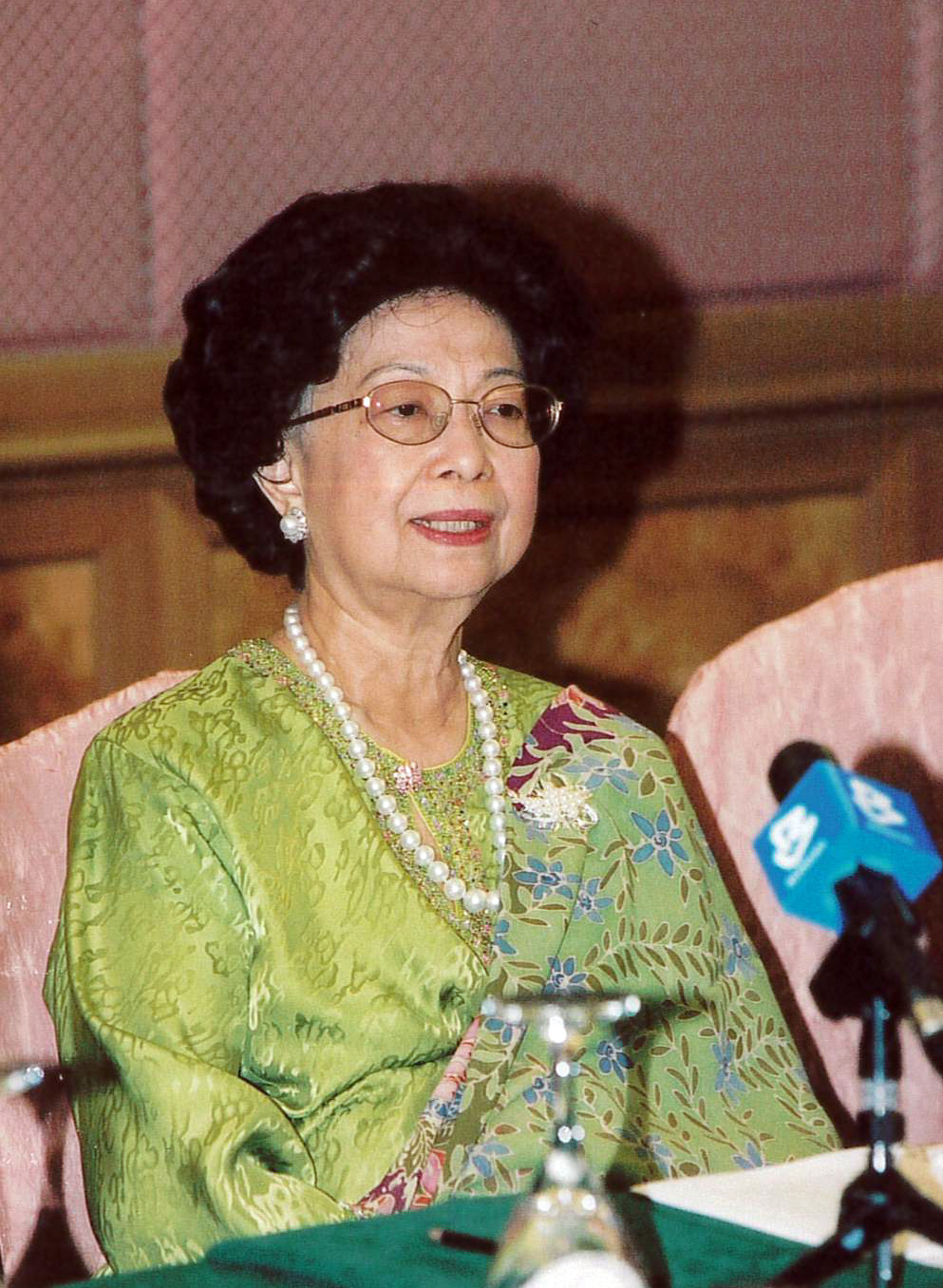
USM researcher reflects on the legacy of the late Tun Dr Siti Hasmah through her expertise, service and influence in advancing the well-being of women and families. When Tun Dr Siti Hasmah Mohd Ali pursued her medical studies in Singapore, she was the only Malay woman in her cohort. Long before she became known as the wife of a Prime Minister, she had already chosen a path rarely taken by Malay women of her time.
The late Tun Dr Siti Hasmah graduated in medicine in 1955 and went on to serve in public health, particularly in maternal and child health. These experiences later shaped her concern for the needs of women, children and families, including those living in rural areas.
For Dr Zaireeni Azmi of the Women's Development Research Centre (KANITA), Universiti Sains Malaysia (USM), this journey offers a more complete picture of Tun Dr Siti Hasmah. Her position as the wife of a Prime Minister made her a nationally recognised figure, but her knowledge and experience in public service had become integral to who she was long before that.
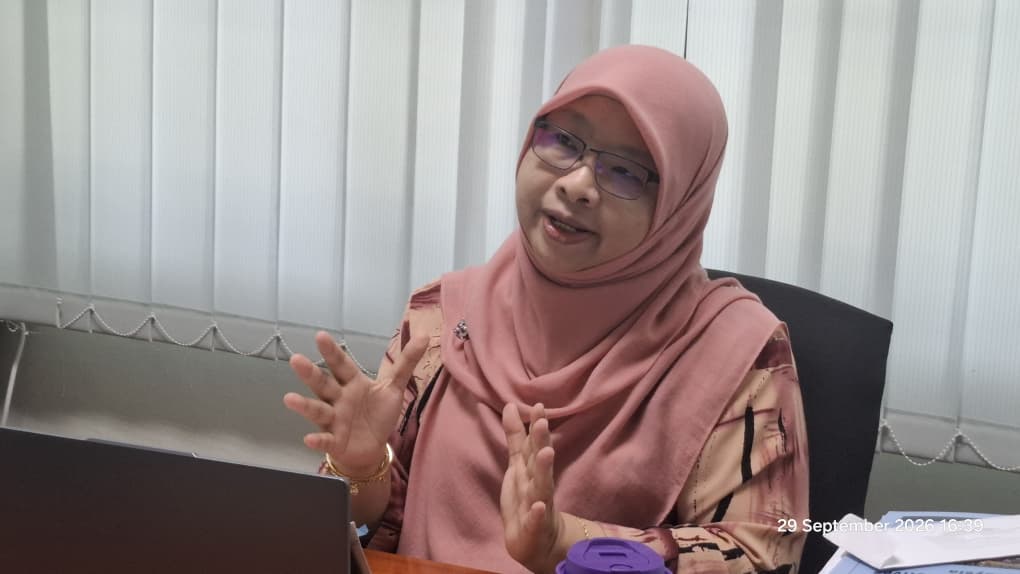
“She had a presence and authority of her own, which enabled her to establish herself in the public sphere and earn the admiration of society,” said Dr Zaireeni.
Tun Dr Siti Hasmah, wife of former Prime Minister Tun Dr Mahathir Mohamad, passed away at the National Heart Institute (IJN) in Kuala Lumpur on Monday at the age of 100. The couple had been married for 70 years.
Throughout her career, the late Tun Dr Siti Hasmah became the first woman appointed as a medical officer in maternal and child health in Kedah. In 1974, she made history once again when she was appointed State Maternal and Child Health Officer. She continued to champion the health and well-being of women and families as her role in the nation's public life grew.
Her advocacy extended beyond medicine. Tun Dr Siti Hasmah also focused on education, training and economic opportunities for rural women. In 1995, she led Malaysia's delegation to the Fourth World Conference on Women in Beijing, bringing the nation's voice to the international discussion.
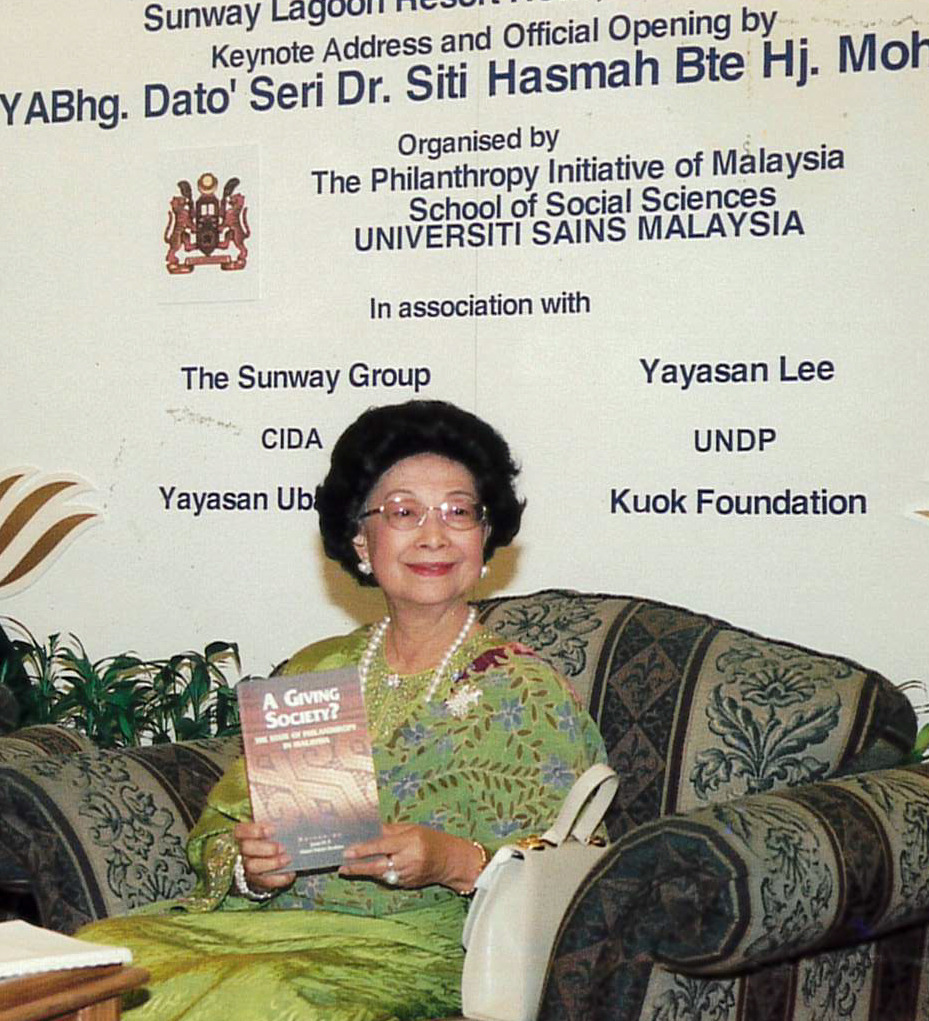
According to Dr Zaireeni, her position as the Prime Minister's wife gave her access to a wider platform. What deserves closer examination is how the late Tun Dr Siti Hasmah used that platform: she brought issues closely connected to people's everyday lives into the public spotlight, drawing on her own knowledge and experience.
Dr Zaireeni also sees Tun Dr Siti Hasmah's approach as a reminder that leadership can take many forms. A calm and gentle demeanour does not prevent someone from expressing a firm position, building trust or mobilising efforts for the benefit of society.
“Leadership is not simply about who speaks the most or who speaks the loudest. The question is what we do for society,” she said.
According to Dr Zaireeni, this lesson remains relevant to younger generations. Although challenges have evolved from healthcare and rural development to urban poverty and the rapid pace of conversations on social media, leaders must still understand an issue before taking action or speaking out.
“If we do not understand an issue in depth but respond to it immediately, we need to consider the consequences,” she said.
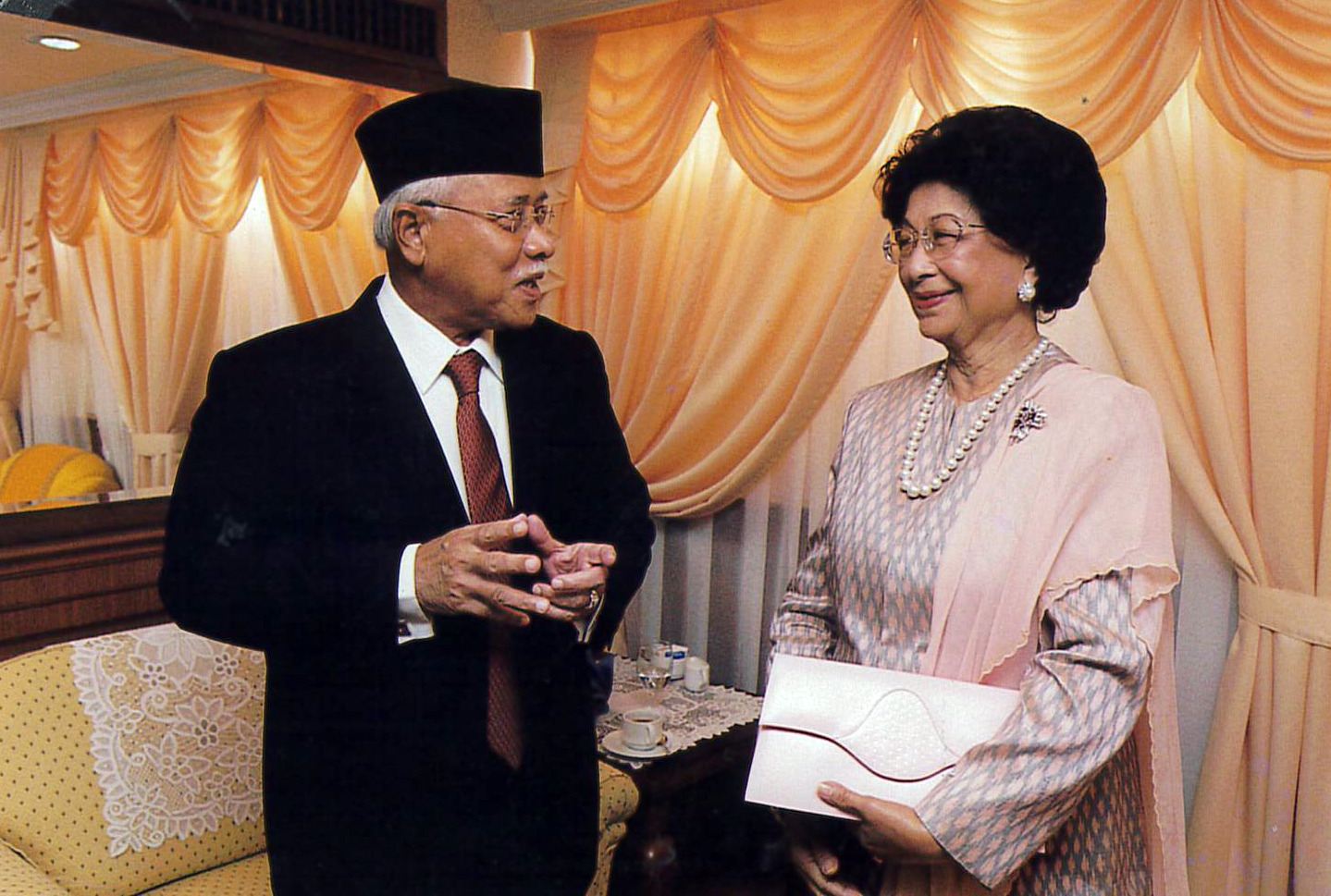
Tun Dr Siti Hasmah will be remembered as the companion of Tun Dr Mahathir throughout their seven decades together. She also leaves behind a legacy of her own: that of a doctor who broke new ground in her profession and subsequently used her position and expertise to champion the well-being of women and families.
May Allah SWT shower His mercy upon the soul of the late Tun Dr Siti Hasmah and place her among the faithful.