IPPTN-USM ADVANCES ASEAN DIALOGUE ON OPEN SCIENCE FOR SUSTAINABLE AND COLLABORATIVE RESEARCH
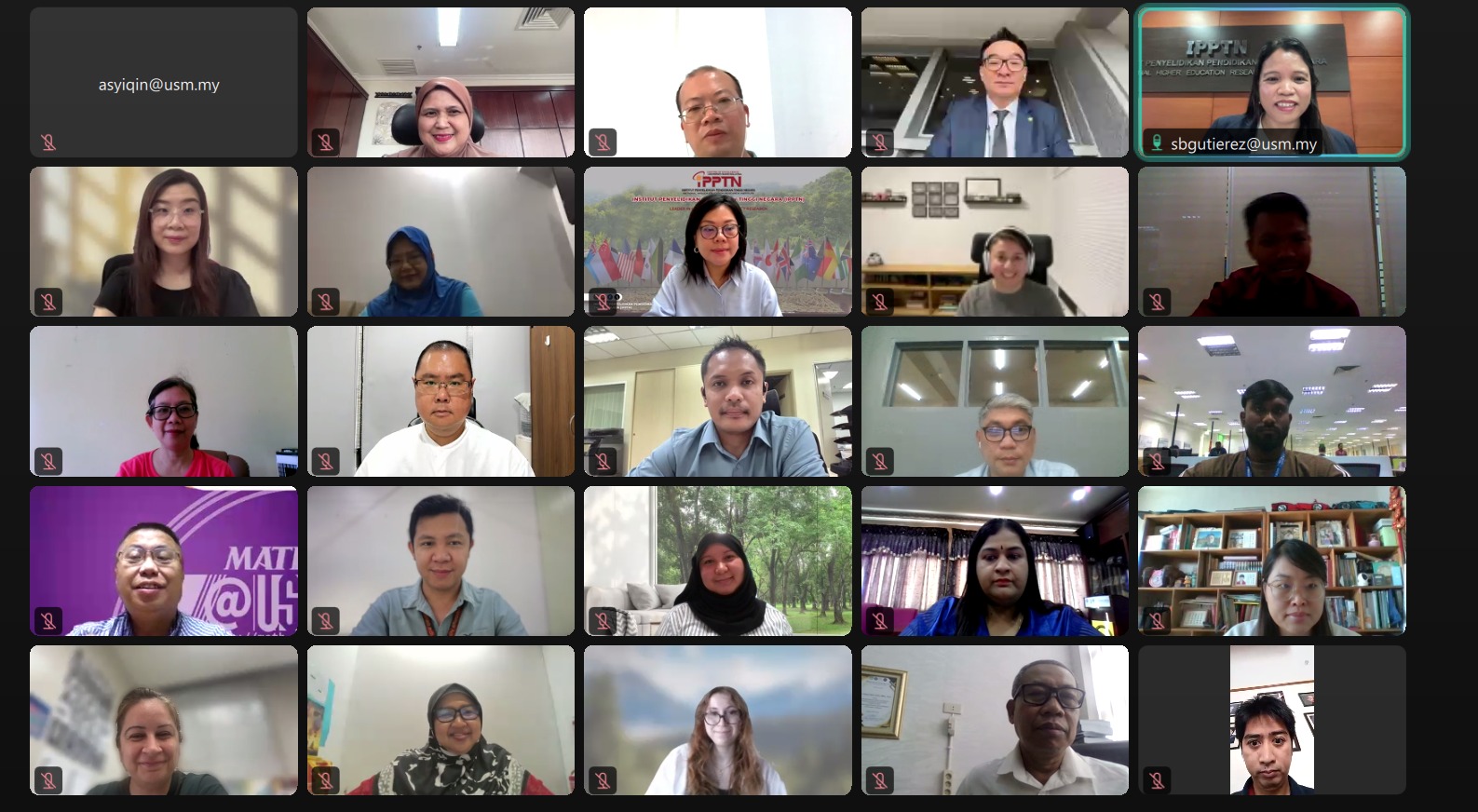
The National Higher Education Research Institute of Universiti Sains Malaysia (IPPTN‑USM) recently hosted the Regional Policy Dialogue on Open Science in ASEAN Higher Education 2026, carrying the theme “Open Science in ASEAN Higher Education: Policies, Practices, and Regional Collaboration.”
The online dialogue gathered 85 participants from Burundi, China, Indonesia, Malaysia, Norway, Pakistan, the Philippines, and Thailand to strengthen open science across higher education.
The session brought together higher education leaders, researchers, policymakers, and open science advocates to explore how ASEAN countries can advance from open science principles towards sustainable institutional practices.
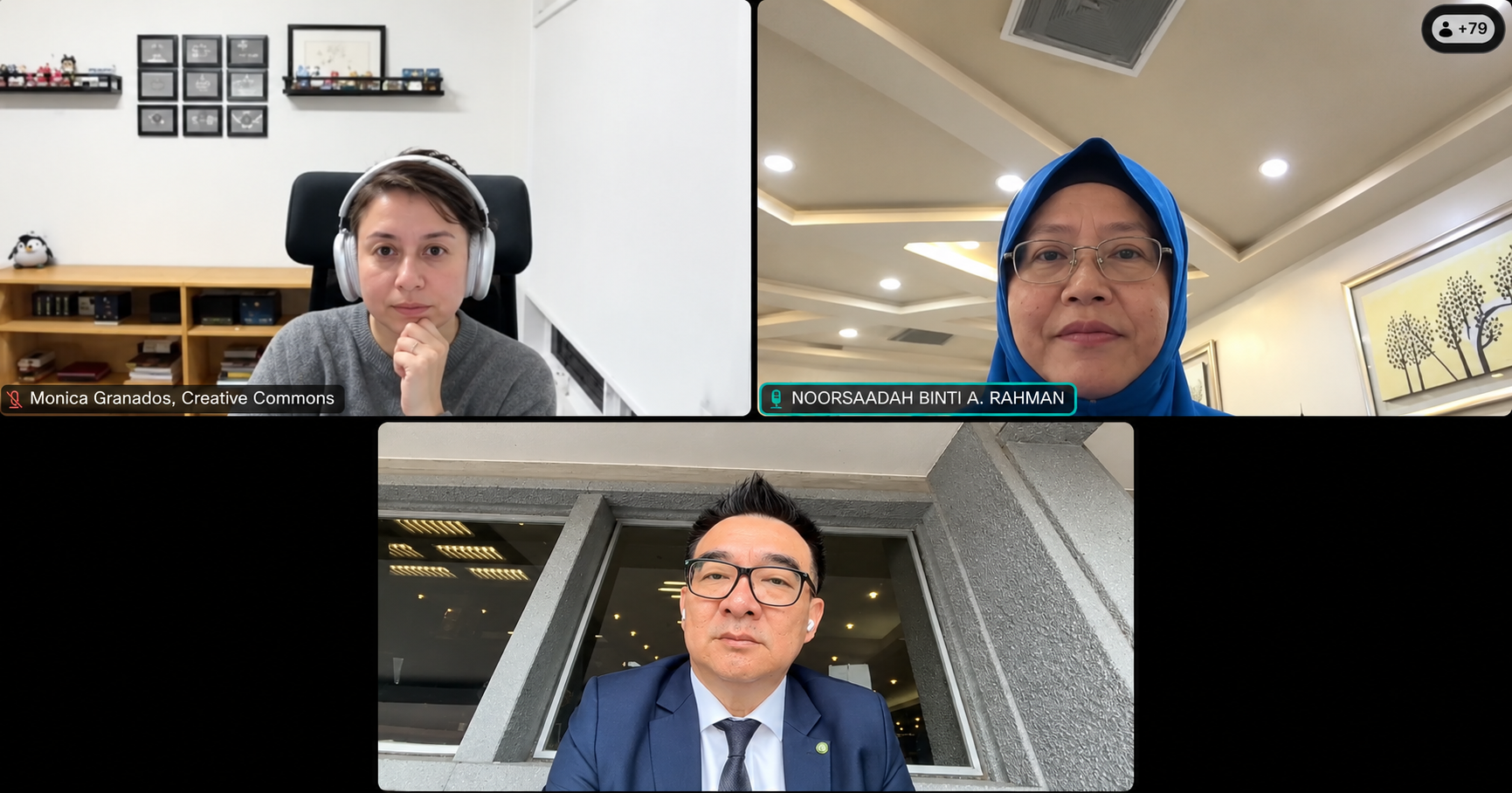
Opening remarks was delivered by USM Vice‑Chancellor for Research and Innovation, Professor Dr. Habibah A Wahab, while closing remarks came from IPPTN‑USM Director, Associate Professor Dr. Thien Lei Mee. The dialogue was moderated by Dr. Sally Gutierrez of IPPTN‑USM. Speakers included Professor Dr. Noorsaadah A. Rahman (Malaysia Open Science Alliance), Professor Wibool Piyawattanametha (King Mongkut’s Institute of Technology, Thailand), and Dr. Monica Granados (Creative Commons).
Highlights and Regional Perspectives
The discussion highlighted open science as more than simply making research outputs publicly accessible. Participants emphasised the need to strengthen research data management, infrastructure, policy, licensing, capacity building, incentives, and research integrity to create sustainable and collaborative research ecosystems across the region.
Opening the dialogue, Prof. Habibah described open science as a paradigm shift capable of enhancing research quality, accelerating innovation, and contributing to the Sustainable Development Goals (SDGs). She also highlighted the importance of translating the dialogue into concrete regional recommendations, with its outcomes expected to contribute to a policy briefing on open science in ASEAN higher education.
Prof. Noorsaadah presented Malaysia’s national open science journey, including the development of the Malaysia Open Science Platform (MOSP) under the oversight of the Academy of Sciences.
“Accordingly, MOSP is designed to make publicly funded research data more discoverable and accessible through a national metadata-harvesting platform. Rather than centrally storing raw datasets, the platform harvests metadata from institutional repositories while institutions retain responsibility for the underlying data and access controls,” she said.
She emphasised that Malaysia has also made progress in developing the human capacity required to sustain open science. Prof. Noorsaadah reported that training initiatives have expanded from an initial group of master trainers to approximately 380 data stewards nationwide. Eleven institutional repositories have been integrated with the national platform, with further institutions expected to join.
Further, she stressed that the Malaysian approach also emphasises policy alignment. Research data management plans are incorporated into grant applications, while national open science guidance is being aligned with the national data-sharing policy.
“Despite this progress, challenges remain, particularly around intellectual property, data ownership, data quality, storage costs, and long-term sustainability,” explained Prof. Noorsaadah.
Participants emphasised the importance of making research “as open as possible, as closed as necessary,” particularly when datasets involve health, privacy, intellectual property, or other sensitive information.
Prof. Wibool shared Thailand’s emerging experience in developing a national open science ecosystem. Findings from a survey of approximately 76 respondents revealed significant gaps in open science awareness and research data management despite many respondents being experienced researchers.
He stressed that only around 40 per cent of respondents rated their understanding of open science as high or very high, while approximately 65 per cent reported limited familiarity with research data management practices. Around 80 percent reported experiences involving data loss or difficulties accessing research data.
In his presentation, he identified six major barriers, including legal uncertainty, research data management capability, costs and workload, incentive misalignment, sensitive and indigenous data, and fragmented infrastructure. He therefore stressed that he proposed measures including legal reforms and safe-harbor mechanisms, interoperable and federated research data infrastructure, funded data curation, stronger incentives for open research outputs, and expanded research data management training.
Dr. Monica Granados of Creative Commons emphasised three interconnected pillars for advancing open science: training, infrastructure, and policy. She highlighted the role of open licenses such as CC0 and CC BY in allowing research data and training materials to be reused, adapted, and localised.
Emerging Issues and Priorities
Participants also emphasised the importance of embedding open science practices in graduate education so that data management, licensing, and responsible sharing become part of researchers’ normal scholarly practice.
The dialogue further highlighted the importance of institutional and funding incentives. Research data management requirements attached to grants, institutional policies, and promotion systems can encourage researchers to adopt open practices, while external funding requirements can provide additional motivation for compliance.
At the same time, participants stressed the need to demonstrate the tangible benefits of openness, including improved discoverability, collaboration, and opportunities for research and innovation.
The growing use of generative artificial intelligence also emerged as an important concern for open science and research integrity. Participants acknowledged that AI-generated or synthetic content presents new challenges for maintaining trustworthy research. While publishers are developing screening tools and international organisations are exploring AI-related policies and guidance, speakers emphasised that no single technological solution can address the issue.
Strengthening researcher integrity, community norms, and institutional guidance will therefore remain essential alongside technological safeguards.
Closing the dialogue, Dr. Thien emphasised that open science policies must be accompanied by the resources, infrastructure, and institutional recognition necessary for implementation.
Next Steps and Shared Message
Three priorities emerged from the discussion: aligning policy, infrastructure, and practice; strengthening participation and capacity across stakeholder groups; and promoting regional cooperation that respects local contexts while enabling shared learning and infrastructure.
As follow-up actions, Malaysia will continue onboarding universities and institutional repositories to MOSP, standardising metadata and interoperable data formats, developing access and licensing procedures for restricted health datasets, strengthening FAIR data stewardship training, and finalising the national guideline on open science for publicly funded research. The dialogue outcomes will also contribute to a planned regional policy briefing, supporting continued ASEAN cooperation on open science.
The discussion emphasised a shared regional message: ‘Open science requires more than platforms and policies. It depends on skilled people, supportive institutions, clear governance, appropriate incentives, and sustained regional collaboration.’
For ASEAN higher education, the next step is to translate these commitments into everyday research practices that make knowledge more accessible, responsible, reusable, and impactful.