KUALA LUMPUR, 24 September 2026 – A building material that could substantially reduce the carbon footprint of concrete. A semiconductor material moving towards pilot production. Lead-free radiation shielding. Radar designed to identify small drones. Cyber protection developed with Malaysian smaller businesses in mind. At URIIS 2026, Universiti Sains Malaysia (USM) presented five technologies united by a practical question: what must happen for each to be used at scale?
The answer differs across the five. That is precisely what makes the university’s exhibition a useful account of research translation. Commercialisation is seldom a single leap from laboratory to marketplace. It involves technical validation, suitable manufacturing capacity, customers or public-sector users, and partners prepared to test a solution in real settings.
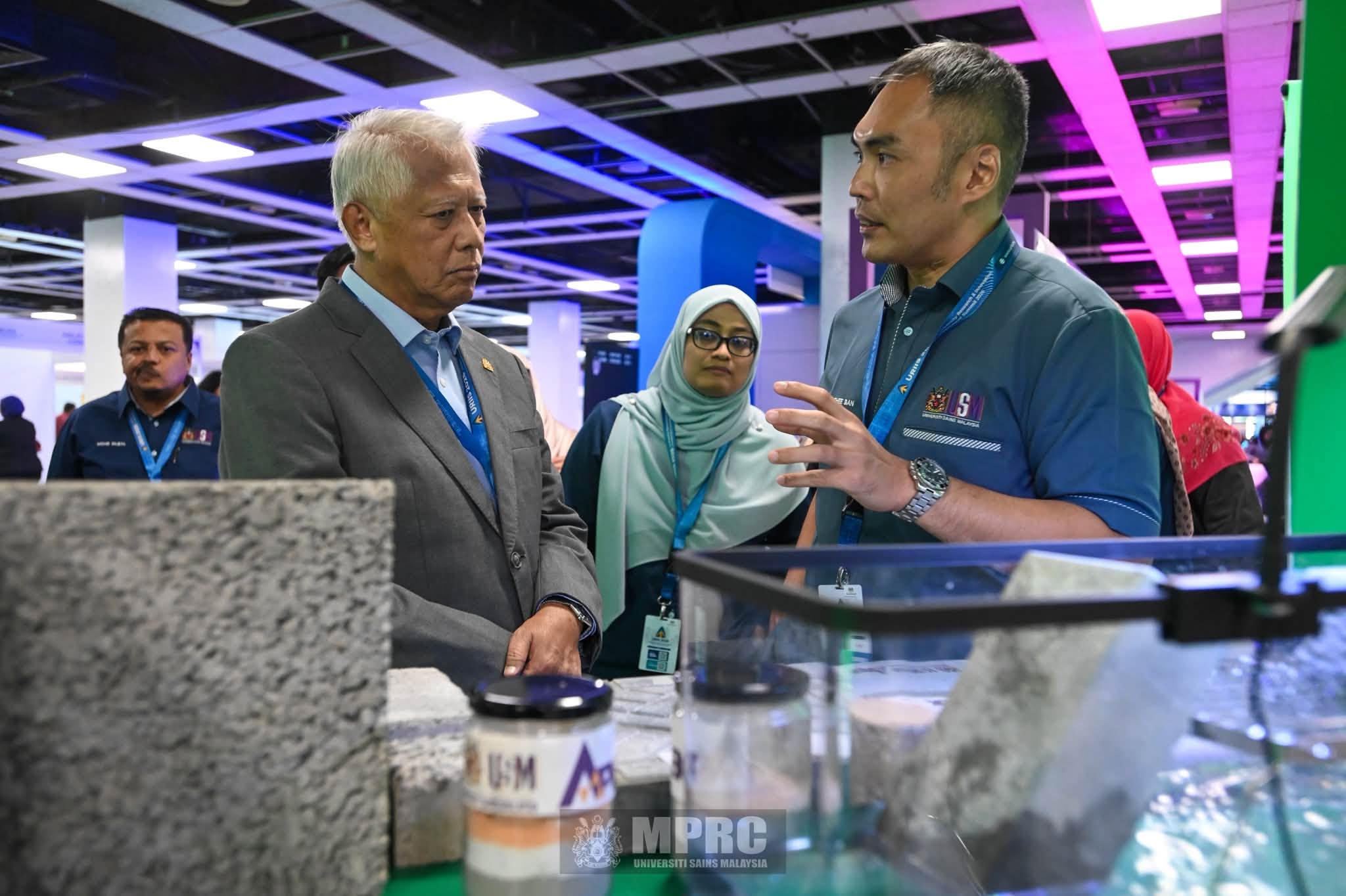
Eco-Crete, USM’s lower-carbon concrete, addresses one of construction’s persistent material challenges. Developed using alternatives to conventional Portland clinker, including fly ash and calcined clay, it has the potential to reduce associated carbon emissions by up to 90 per cent. Its next steps depend on demonstrating the performance, consistency and cost required for construction applications.
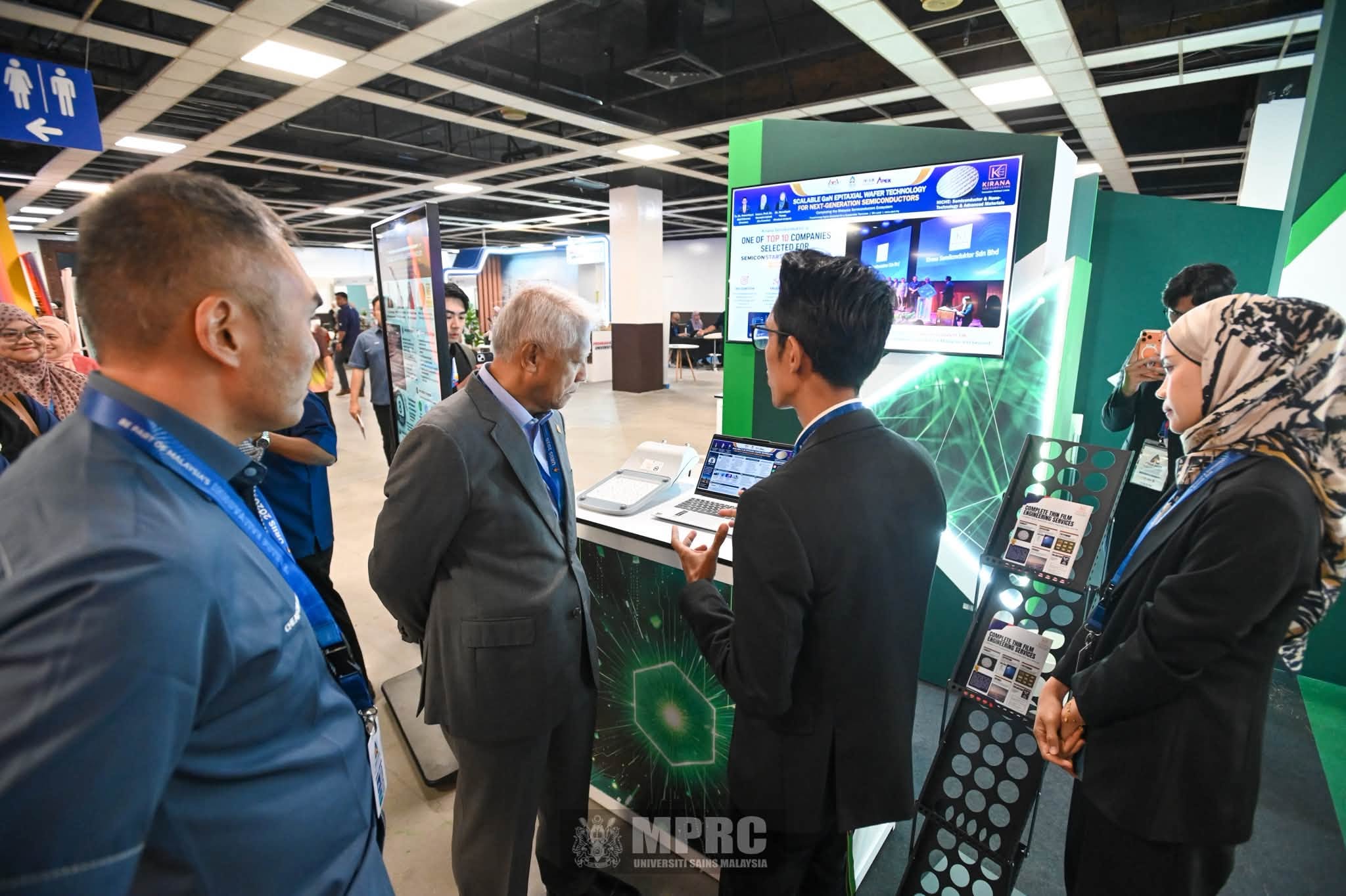
In semiconductors, USM’s gallium nitride (GaN) technology is being advanced from laboratory research towards industry-grade pilot production. GaN has properties suited to high-power and high-frequency electronics and optoelectronic devices. The proposed commercial route centres on supplying high-quality wafers for specialised fabrication, potentially serving sectors such as telecommunications, automotive technology and power electronics.
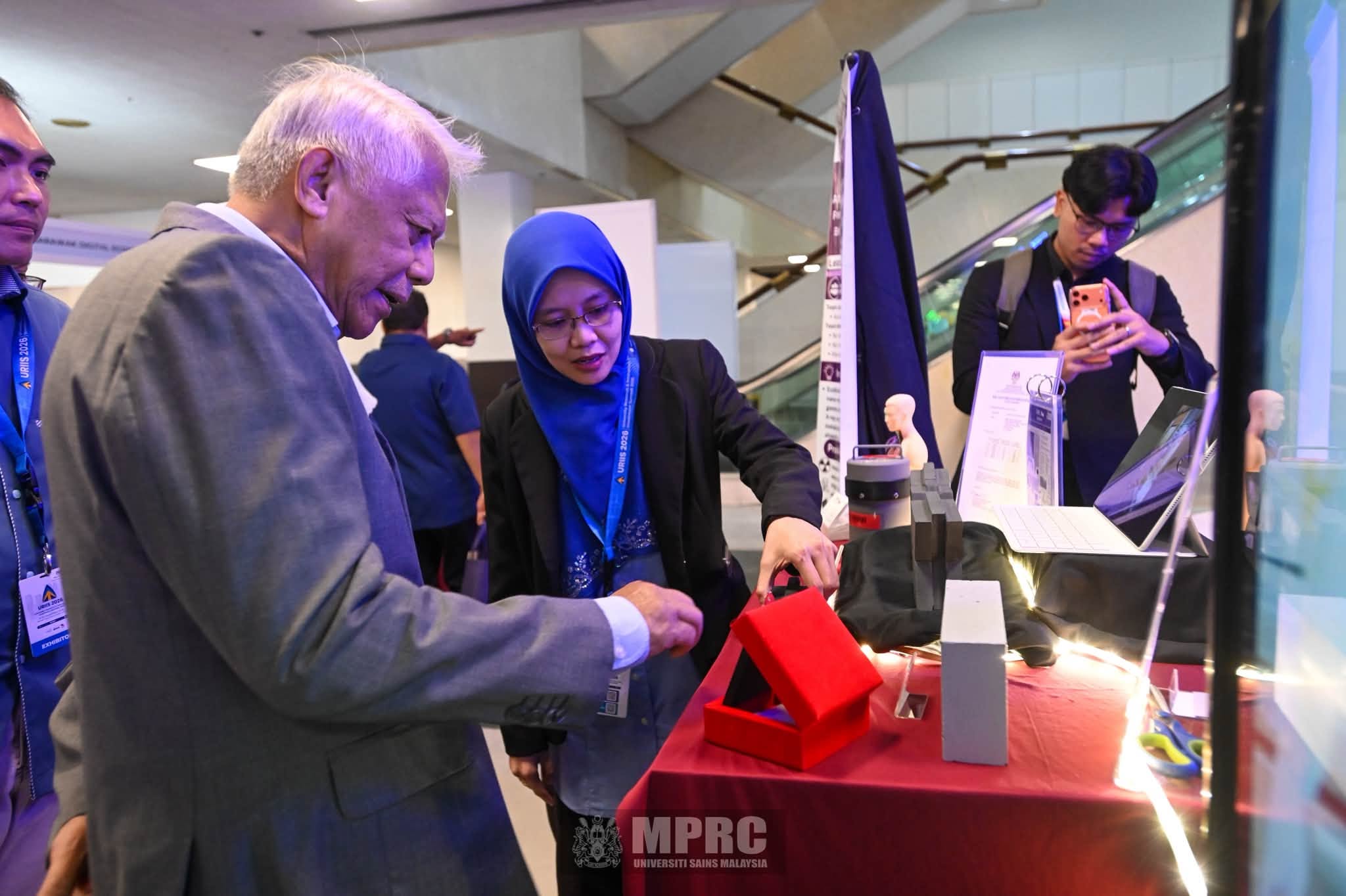
EcoShield-X addresses a different materials problem. Its modular, interlocking, lead-free blocks are designed to attenuate X-ray and gamma radiation in settings that may include healthcare, research and industrial radiography. Following technical validation, engagement with industry is focused on the manufacturing and deployment capacity needed to bring the system into wider use.
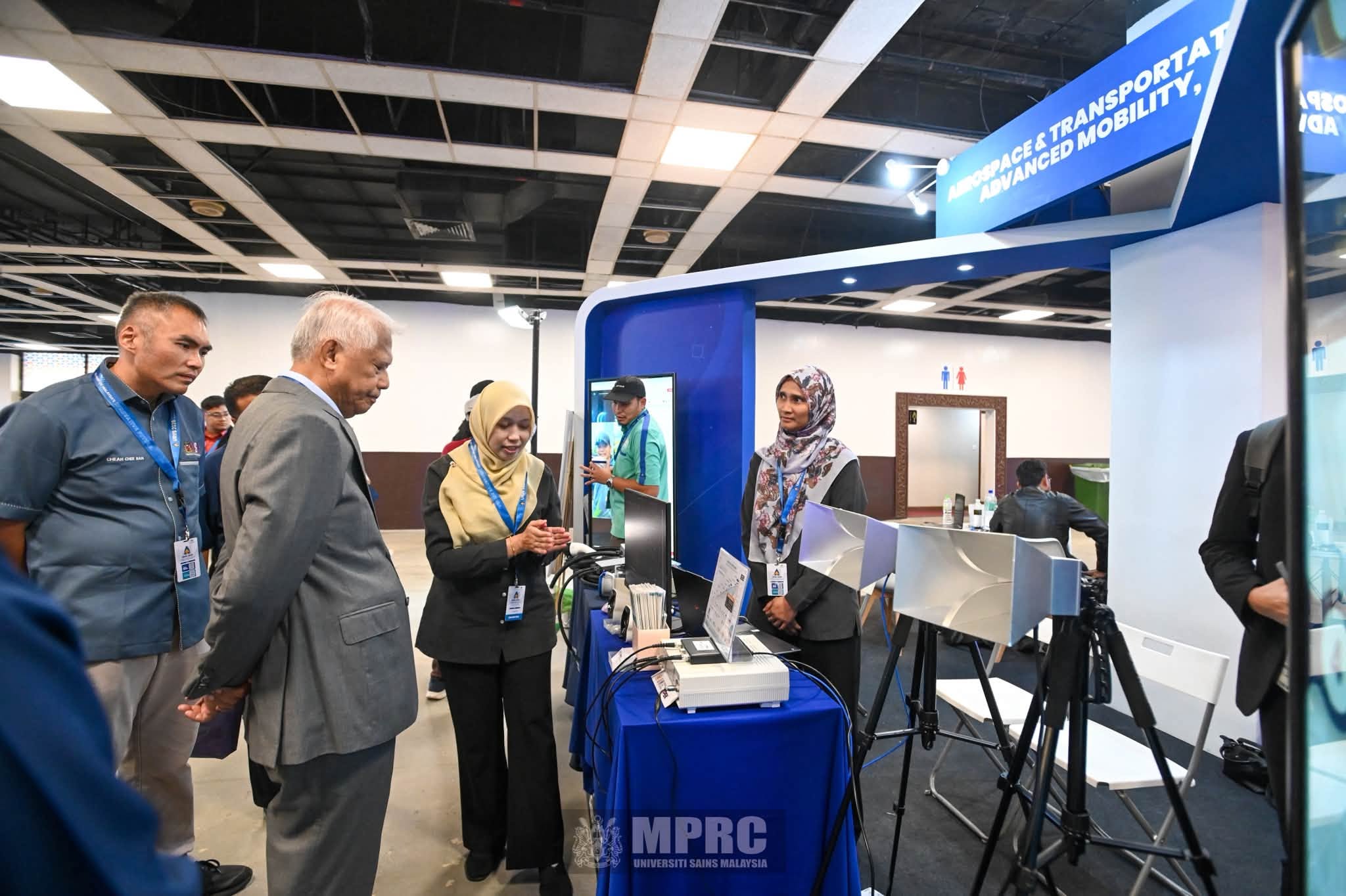
USM’s APEX Anti-Drone Radar System tackles the difficult task of identifying small drones flying at low altitude. Developed by the School of Aerospace Engineering, it combines frequency-modulated continuous-wave radar with analysis of micro-Doppler signatures to detect, track and classify potential threats. Further development with industry could establish its suitability for applications such as infrastructure, border and airport security.
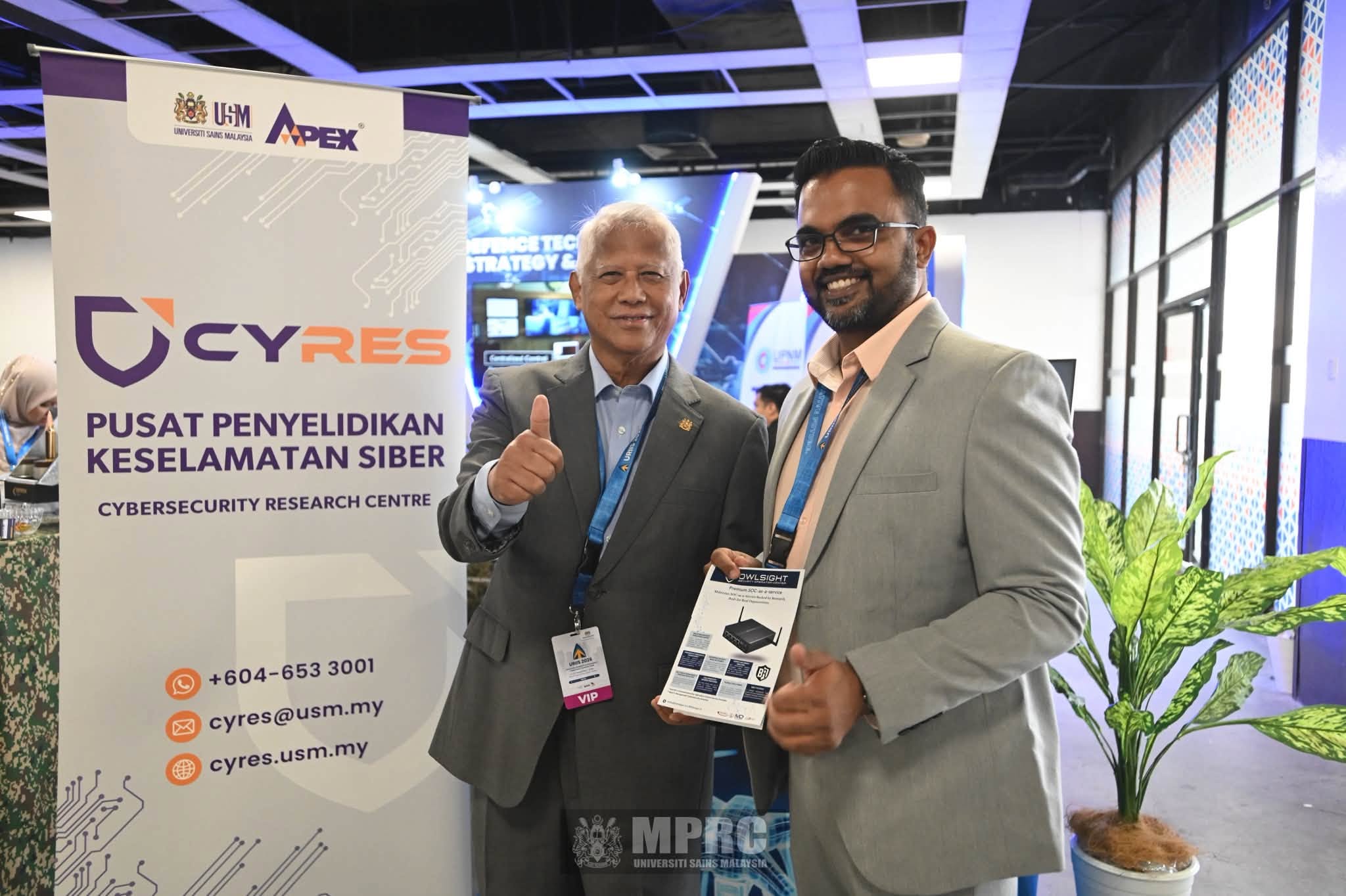
The fifth technology, FalconSight, has already taken a commercial step. Developed at USM’s Cybersecurity Research Centre and commercialised through BitRanger Sdn. Bhd., it operates at the Domain Name System layer to identify and block malicious domains. Its focus on the needs of Malaysian small and medium enterprises gives the technology a defined user group and a potential route through local internet and managed-service providers.
Taken together, the five projects show why URIIS matters to a research university. They place distinct scientific capabilities before partners who can help assess whether a technology solves an operational problem, performs reliably and can be delivered at an appropriate cost. FalconSight’s commercialisation demonstrates one route already under way; the other projects have their own validation and partnership milestones ahead.
USM’s achievement at URIIS 2026 was to make that range of possibilities visible and engage with the next stage of work. The strongest account of its contribution will come as those possibilities become documented trials, sustained industry collaborations and technologies used where they can make a measurable difference.