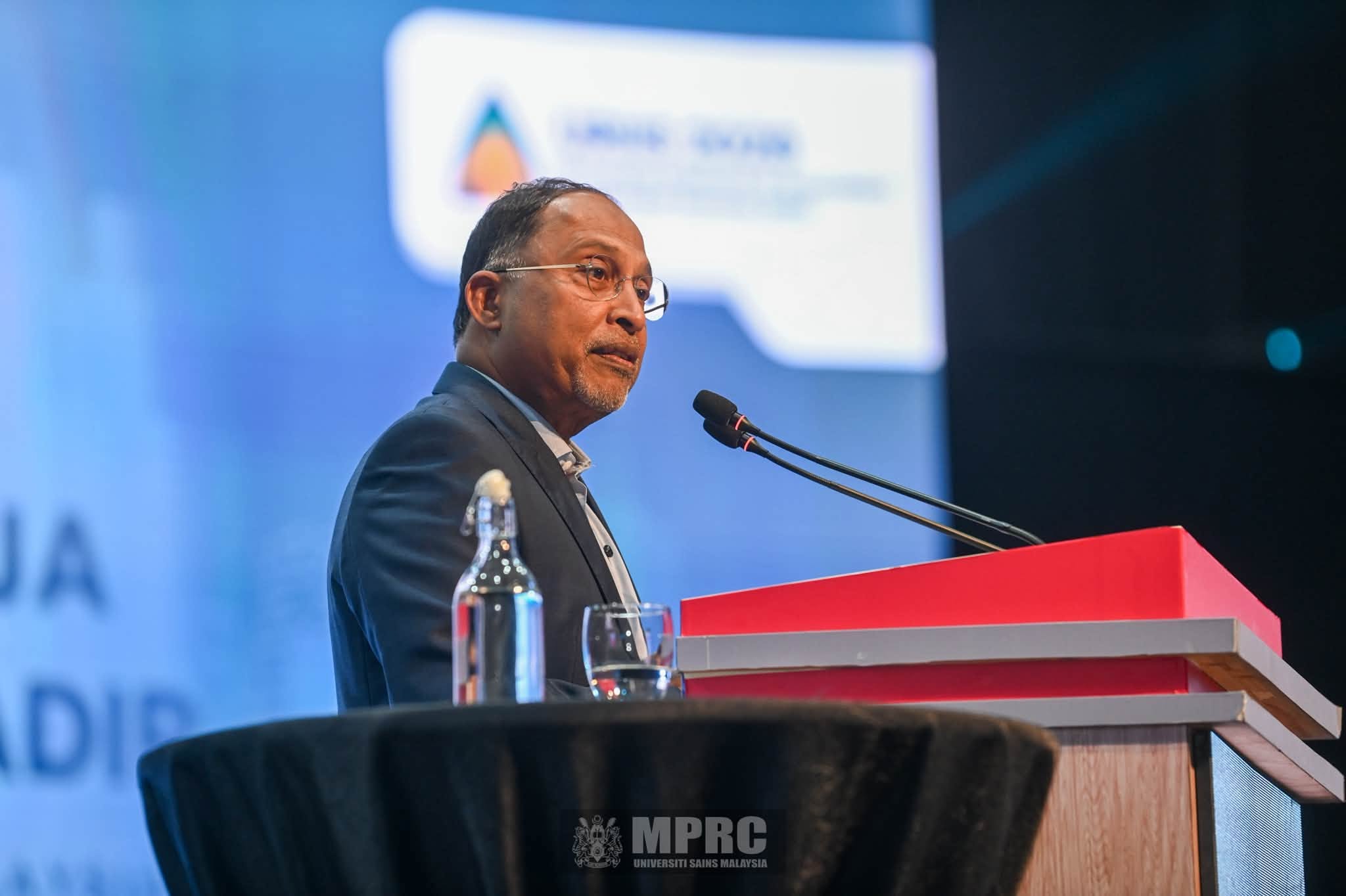
KUALA LUMPUR, 24 September 2026 – The first University Research and Innovation Investment Summit (URIIS) closed with more than 200 technologies showcased, 120 engagements with industry and investors, and 26 memoranda of understanding, memoranda of agreement and letters of intent. Its more consequential outcome may be the question it leaves with every participating institution: which of those conversations will become a tested solution that people actually use?
Held from 21 to 23 September, URIIS 2026 brought together 20 public universities, private universities, researchers, companies and investors. According to the closing remarks delivered by Minister of Higher Education Dato’ Seri Diraja Dr. Zambry Abd Kadir, the engagements generated 84 potential industry collaborations and a projected investment potential of RM24 million. Approximately 2,000 participants attended over the three days.
These figures establish the scale of interest. They do not yet establish the scale of impact. That distinction gave the Minister’s concluding message its force: promising engagements require a clear partner, a defined next step and a means of measuring progress.
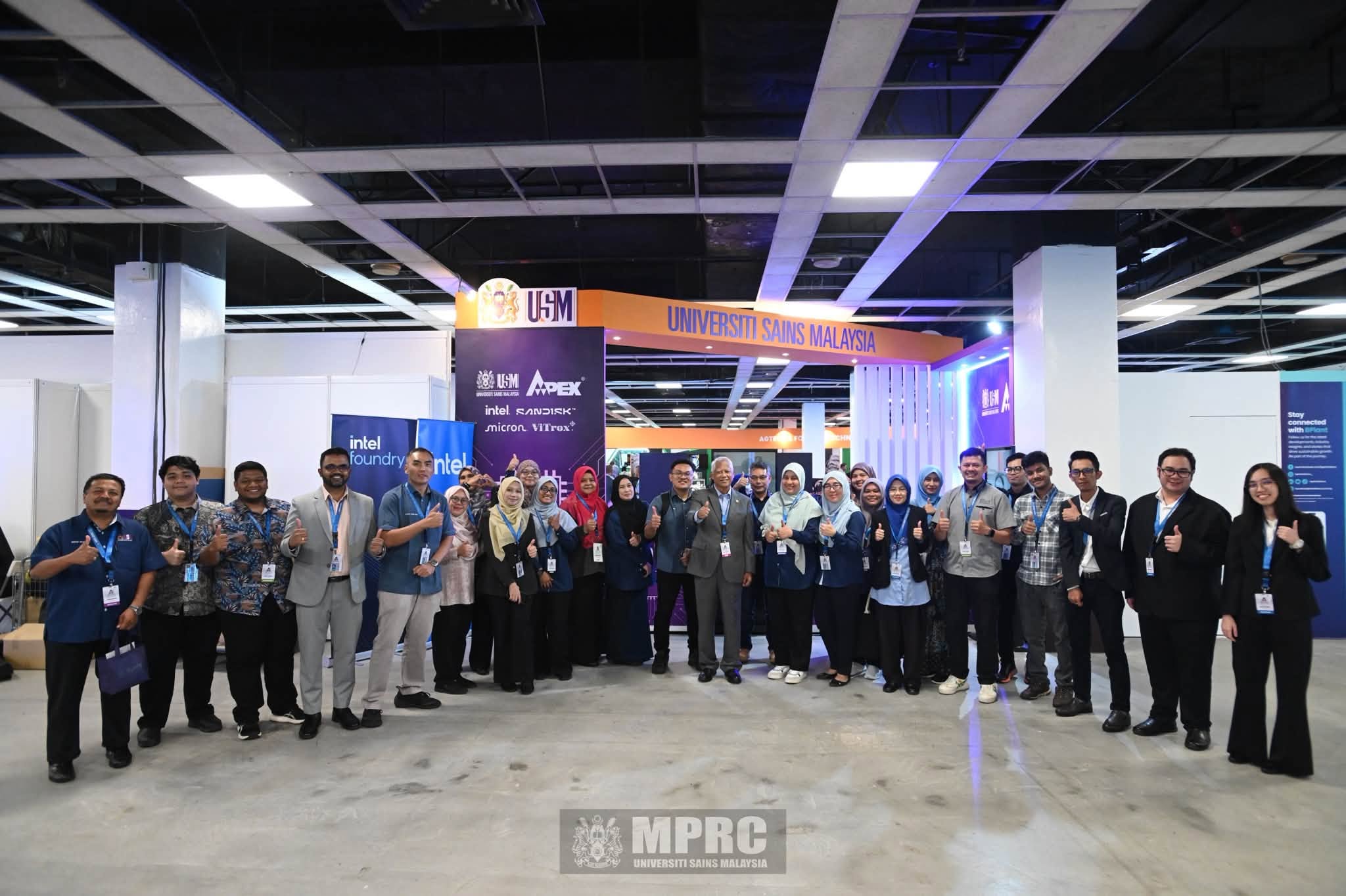
For universities, the work ahead extends well beyond presenting research to prospective partners. An invention must perform reliably under the conditions in which it will be used. A prospective customer must see a practical advantage. Researchers may need support with intellectual property, pricing, regulation and market validation, while institutions must make decisions and approvals timely enough for partnerships to advance.
Industry has an equally substantive role. When companies help define a problem early, they can contribute operational data, technical expertise, testing facilities and access to users. Pilot projects, joint laboratories and industrial testbeds then become places where scientific promise can be examined against cost, performance and demand.
USM’s participation illustrated the breadth of that challenge. Its contributions ranged from semiconductor materials and lower-carbon construction to radiation protection, anti-drone radar and cybersecurity. These technologies serve different sectors and stand at different stages of development. Their common task after URIIS is to secure the validation, partners and deployment pathways appropriate to each application.
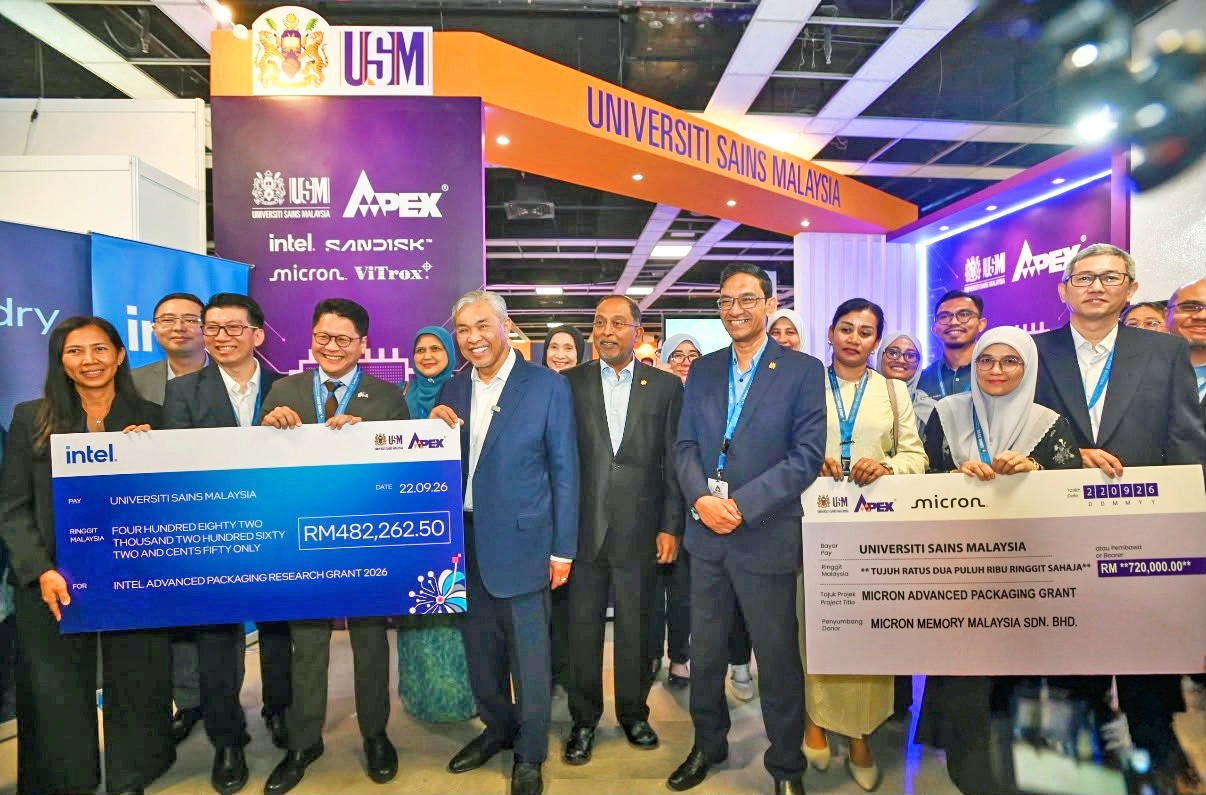
The university’s industry relationships also showed what follow-through can look like in practice. At URIIS, USM highlighted its work with Intel Malaysia in advanced packaging and commitments involving Intel and Micron totalling RM1.202 million. Those commitments offer a concrete basis for further research activity; the longer-term measure will be the results produced through the funded work and its application in industry.
URIIS 2026 has therefore given Malaysian higher education a starting point and a public measure of its ambition. Its lasting worth will be determined after the exhibition stands have closed: in pilots completed, partnerships sustained, technologies adopted and benefits that can be demonstrated beyond the summit hall.