USM WINS BAKTI CITRA LESTARI 2026 AWARD FOR COMMUNITY-EMPOWERING AGROPRENEURSHIP PROJECT
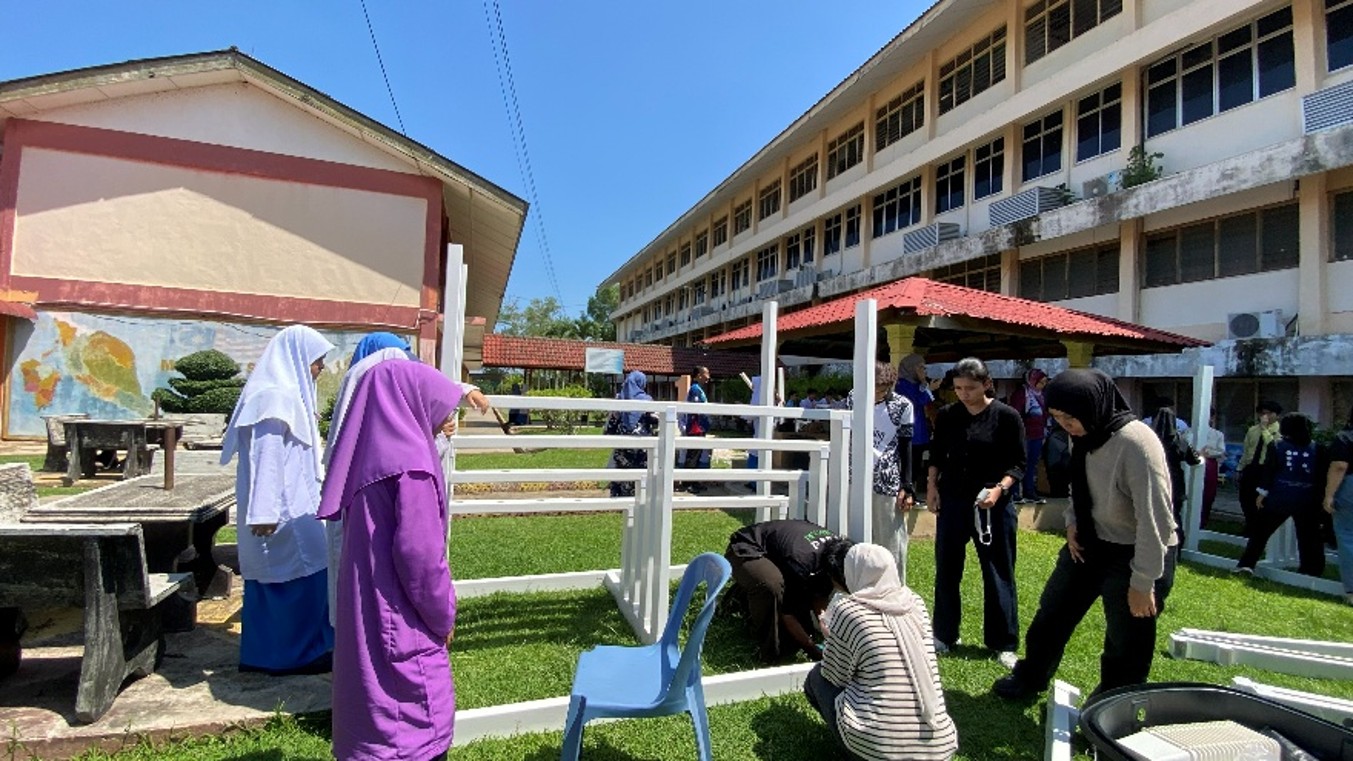
PENDANG, KEDAH, 3 August 2026 – Universiti Sains Malaysia (USM)'s commitment to empowering communities through knowledge transfer and innovation has once again been recognised with the Bakti Citra Lestari 2026 Award for its flagship project, "Empowering Young Agropreneurs in Schools through the Integration of Green Garden Projects and Social Entrepreneurship".
The award acknowledges the University's significant contribution towards advancing Sustainable Development Goal (SDG) 1: No Poverty through education, community empowerment, and sustainable livelihood initiatives.
The award was presented by the Director General of the Yayasan Pembangunan Ekonomi Islam Malaysia (YaPEIM), Tuan Haji Zabidi Nasan, to the Dean of the School of Housing, Building and Planning (HBP), USM, Associate Professor Sr Ts. Dr. Md Azree Othuman Mydin, who represented the Vice-Chancellor of USM, during the Gala Citra Lestari 2026 ceremony held at Sekolah Model Khas Bukit Jenun, Pendang, Kedah.
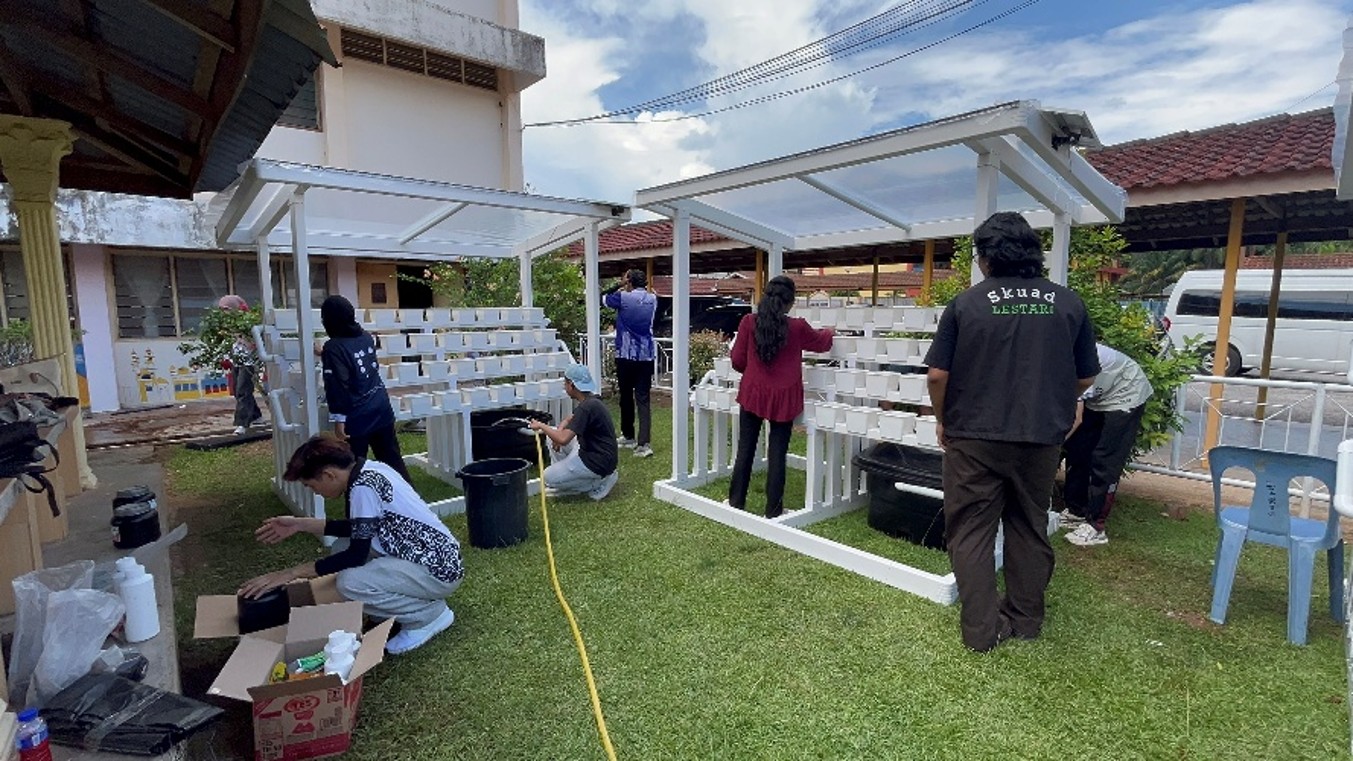
The project, led by HBP academic Dr. Shida Irwana Omar under her Service-Learning Malaysia–University for Society (SULAM) grant, exemplifies her dedication to translating academic knowledge into meaningful community impact. Since its implementation on 16 March 2026 at Sekolah Model Khas Bukit Jenun, the initiative has empowered students through education, innovation, and social entrepreneurship.
Recognising the pressing socioeconomic challenges faced by the school community, where nearly 80 per cent of the students come from B40 (lower-income) families and many work on farms during weekends to supplement their household income, Shida spearheaded the development of a sustainable, education-driven intervention that empowers students through modern agriculture, entrepreneurship, and practical skills.
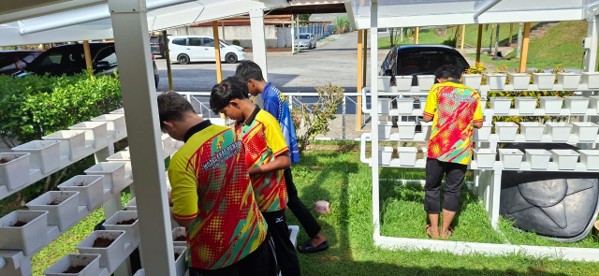
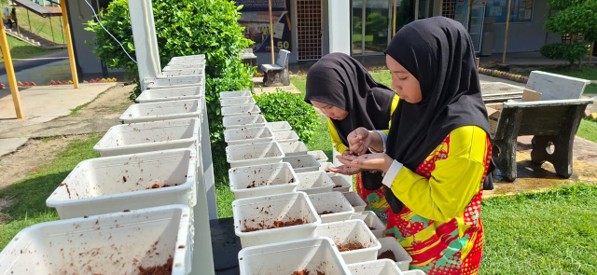
To address these challenges, USM introduced the Hydroponic Green Garden Project, integrating modern agricultural technology, STEM education, and social entrepreneurship into a comprehensive learning ecosystem.
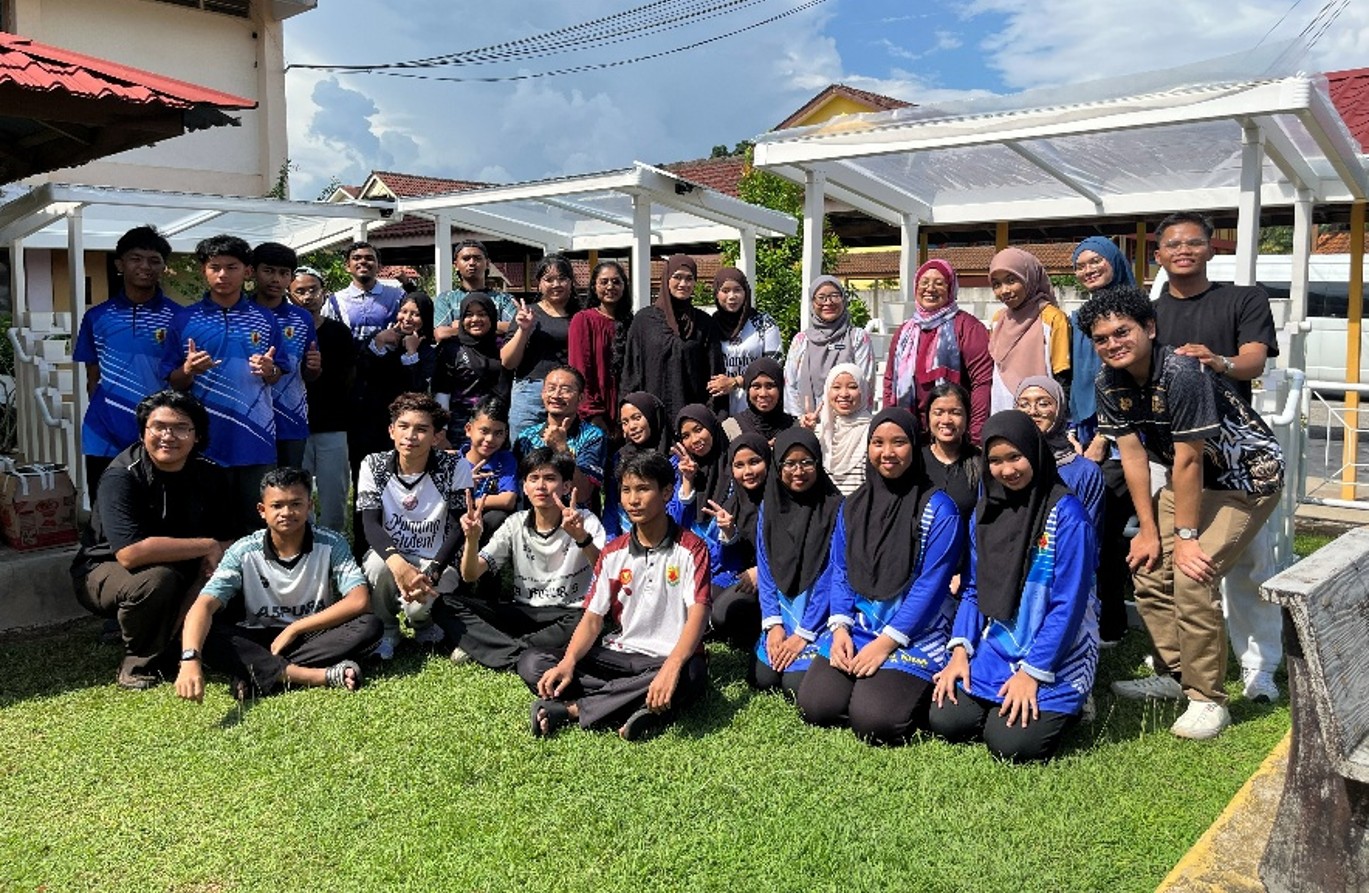
Through this initiative, students are not only trained in hydroponic farming techniques but are also exposed to the entire entrepreneurial value chain, including production, packaging, branding, marketing, and financial management through the school cooperative. Revenue generated from the sale of produce provides students with additional income while serving as revolving capital to ensure the long-term sustainability of the project.
HBP-USM academics served as mentors throughout the project, from securing funding through the SULAM Grant, corporate sponsorships, and public contributions, to installing hydroponic systems, conducting technical training, overseeing cultivation and harvesting, and supporting product marketing. The initiative has transformed the school into a living laboratory, where classroom learning is integrated with real-world experience, nurturing knowledgeable, skilled, and competitive young agropreneurs.
USM Vice-Chancellor, Professor Dato' Seri Ir. Dr. Abdul Rahman Mohamed said the recognition demonstrates that universities are not merely centres of teaching and research but also catalysts for social transformation through the transfer of knowledge and expertise to the community.
"Universities must work alongside communities to address real societal challenges. Initiatives such as this demonstrate that knowledge generated within the university can be translated into practical solutions that improve livelihoods, empower communities, and create new economic opportunities. This reflects the true spirit of SDG 1 in breaking the cycle of poverty through education, innovation, and community empowerment," he said.
Meanwhile, Dean of HBP, Associate Professor Sr Ts. Dr. Md Azree Othuman Mydin, who received the award on behalf of the Vice-Chancellor, described the achievement as the result of strong collaboration between the university, the school, government agencies, and the local community in developing a sustainable model for social development.
"This project demonstrates how universities can serve as catalysts for grassroots transformation. By combining academic expertise, technological innovation, and social entrepreneurship, we are not only helping to improve the livelihoods of B40 students but also nurturing a generation equipped with the skills, confidence, and resilience to shape a better future for themselves and their communities," he said.
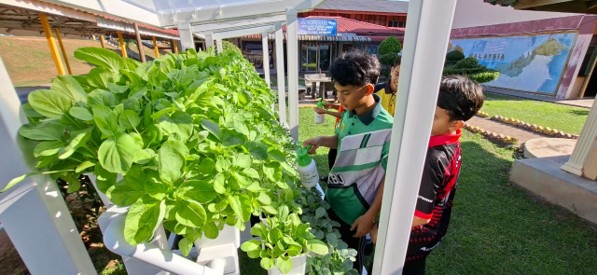
Beyond advancing SDG 1 (No Poverty), the project also makes meaningful contributions to several other United Nations Sustainable Development Goals. It supports SDG 2 (Zero Hunger) by promoting sustainable food production through hydroponic farming; SDG 4 (Quality Education) by integrating experiential learning, STEM education, and entrepreneurship into the school curriculum; and SDG 8 (Decent Work and Economic Growth) by equipping students with practical entrepreneurial skills and income-generating opportunities.
Furthermore, the initiative contributes to SDG 11 (Sustainable Cities and Communities) by fostering resilient and self-sustaining community development, SDG 13 (Climate Action) through the adoption of environmentally sustainable agricultural practices, and SDG 17 (Partnerships for the Goals) by strengthening collaboration among the university, schools, government agencies, industry partners, and the local community. Collectively, these outcomes demonstrate how a university-led initiative can generate lasting social, educational, economic, and environmental impact while advancing the global sustainable development agenda.
Receiving the Bakti Citra Lestari Award 2026 is evidence to how university expertise can be translated into high-impact solutions that deliver tangible benefits to society. The recognition further reinforces USM's commitment to leading the sustainable development agenda through education, research, innovation, and knowledge transfer that address the real needs of communities.