USM–UNAIR STRENGTHEN INTERNATIONAL RESEARCH COLLABORATION AND COMMUNITY ENGAGEMENT THROUGH COASTAL AND FISHERIES PROGRAMME IN PENANG
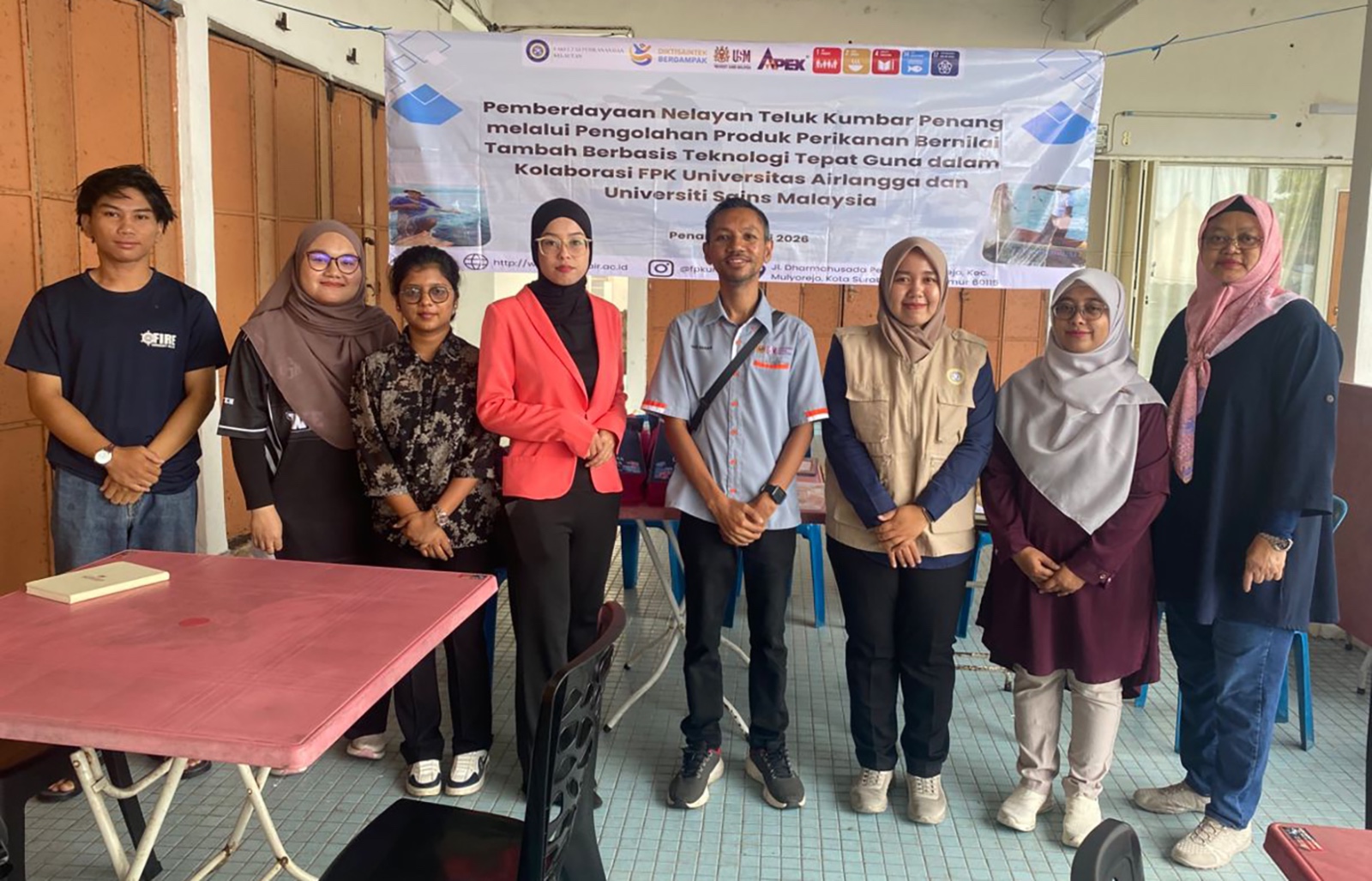
USM PENANG, 2 June 2026 – The School of Biological Sciences (PPSKH), Universiti Sains Malaysia (USM), in collaboration with Universitas Airlangga (UNAIR), Indonesia, successfully organised a five-day Research Collaboration and Community Service (CSR) Programme from 18 to 22 May 2026 involving coastal research activities, laboratory-based learning, and community engagement in southern Penang.
The programme was coordinated by Dr. Norhafiz Hanafi Ahmad Shah from the PPSKH, USM, together with collaborators from UNAIR, namely Lailatul Lutfiyah and Dwi Yuli Pujiastuti.
The programme also received support and encouragement from Dr. Laksmi Sulmartiwi, Vice Dean II of Universitas Airlangga (UNAIR), as part of UNAIR’s continued commitment towards strengthening international academic collaboration and regional community engagement initiatives.
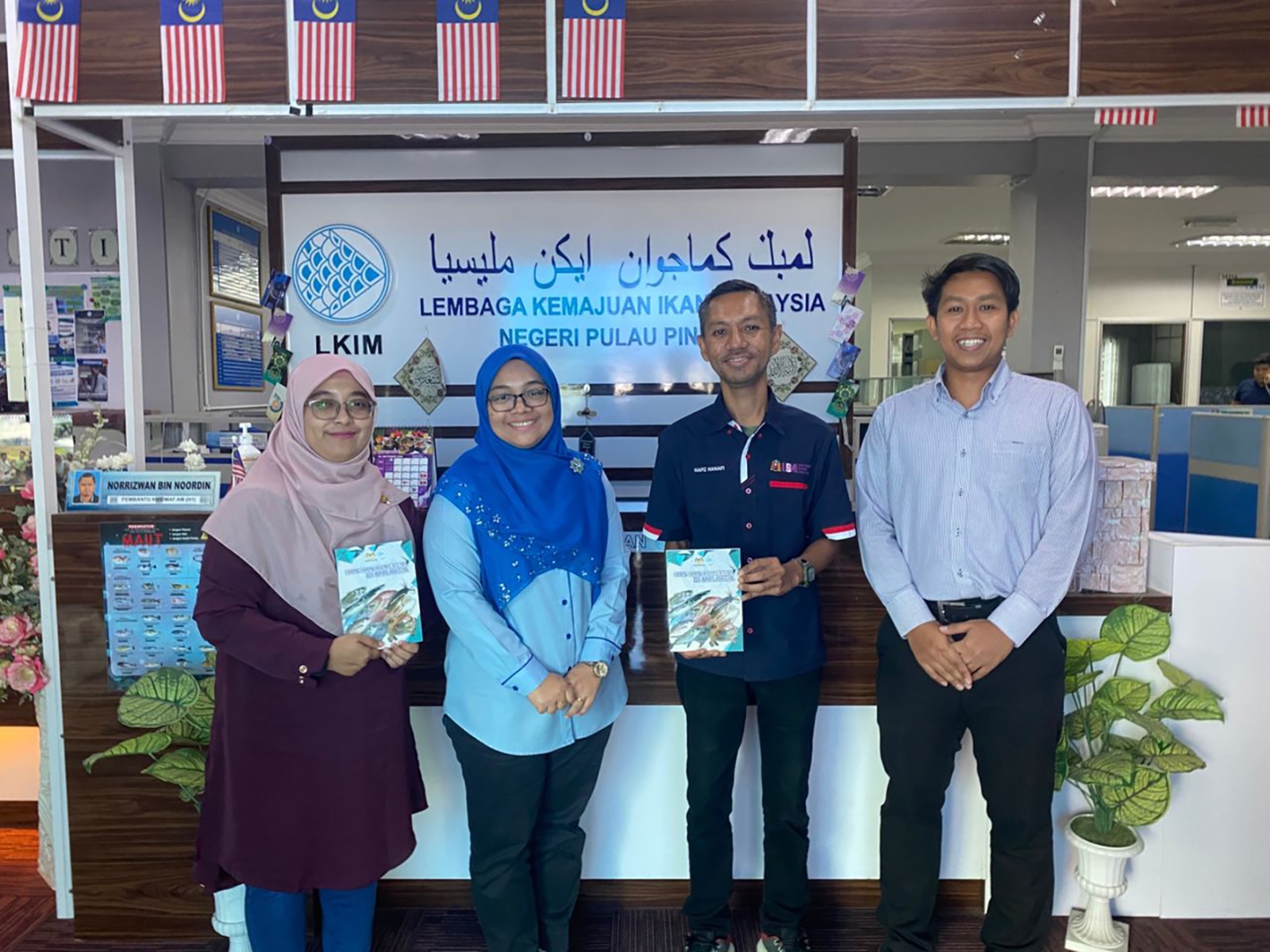
Activities were conducted at several coastal and fisheries-related locations including LKIM Batu Maung, Teluk Kumbar, Teluk Bahang, and PNK PPS Teluk Kumbar.
Research and Academic Engagement
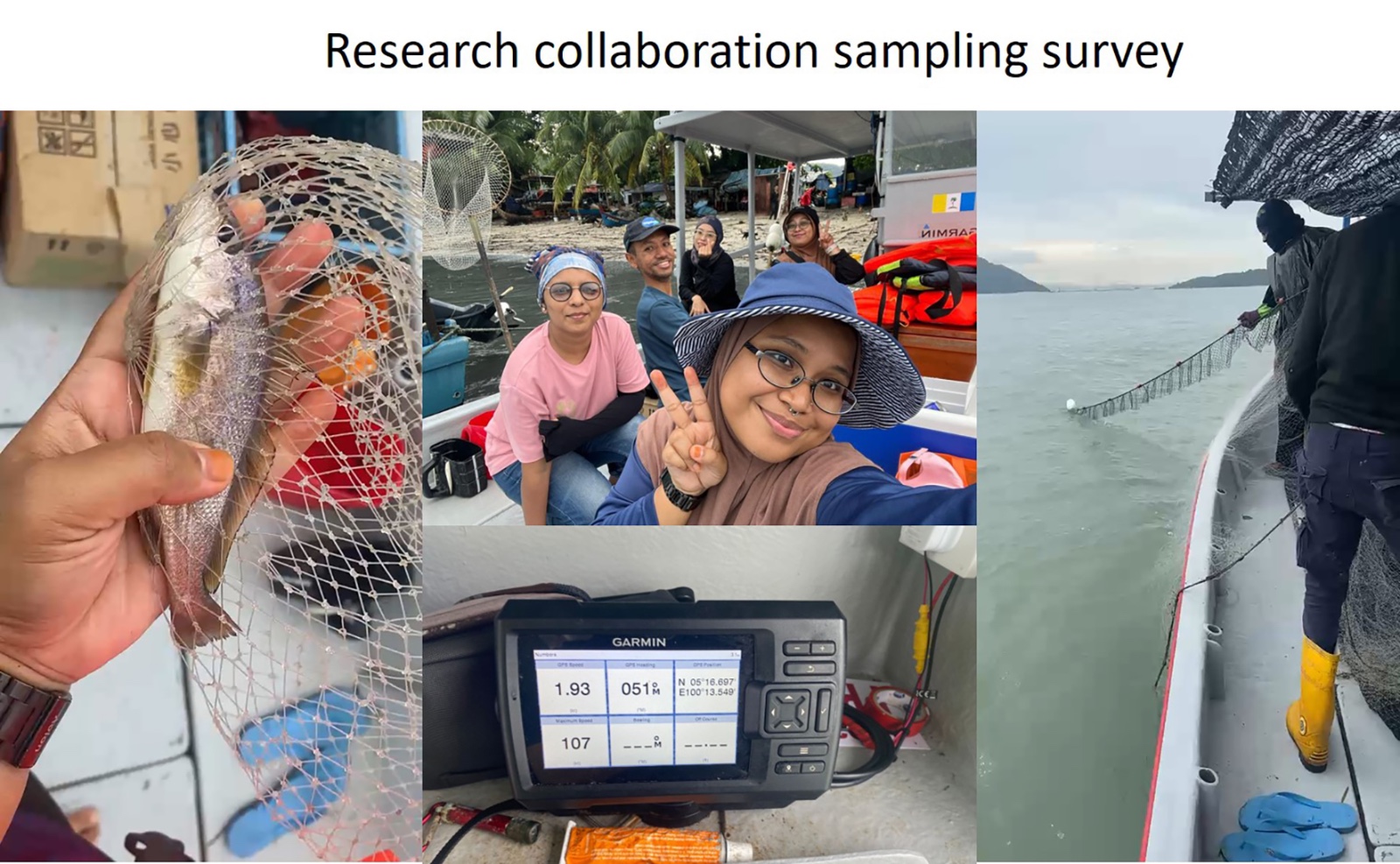
The collaborative programme aimed to strengthen academic networking, fisheries and marine science research collaboration, student exposure, and community engagement between Malaysia and Indonesia through an integrative approach involving fieldwork, laboratory training, and CSR initiatives.
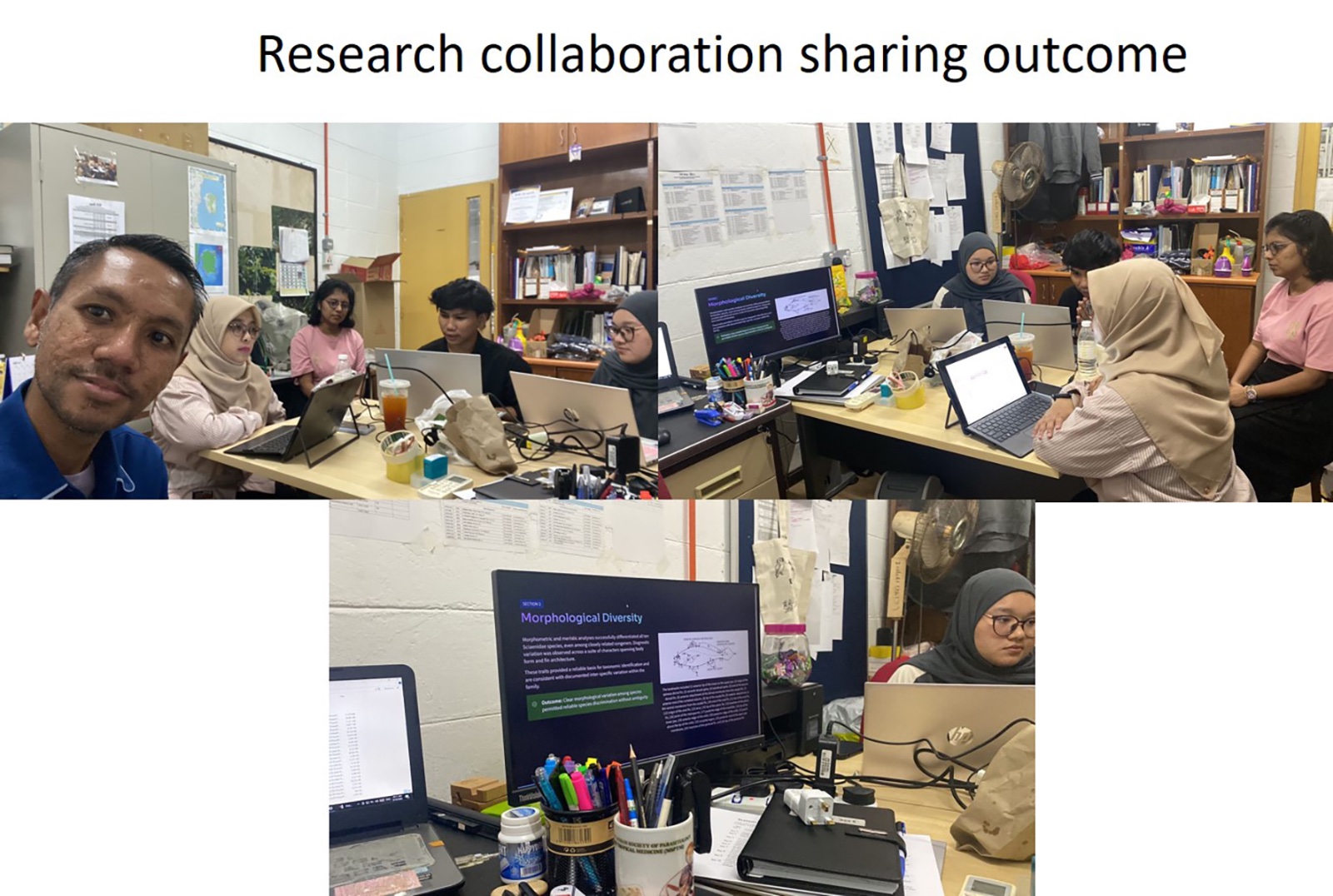
Throughout the week, participants from both institutions were involved in research sampling, Final Year Project (FYP) presentations, histological laboratory evaluation, fisheries-related field studies, and community-based knowledge transfer activities with the local fisheries community.
Among the key activities conducted were coastal sampling tours at Batu Maung, Teluk Kumbar, and Teluk Bahang focusing on croaker fish (Sciaenidae) reproductive biology and marine biodiversity studies.
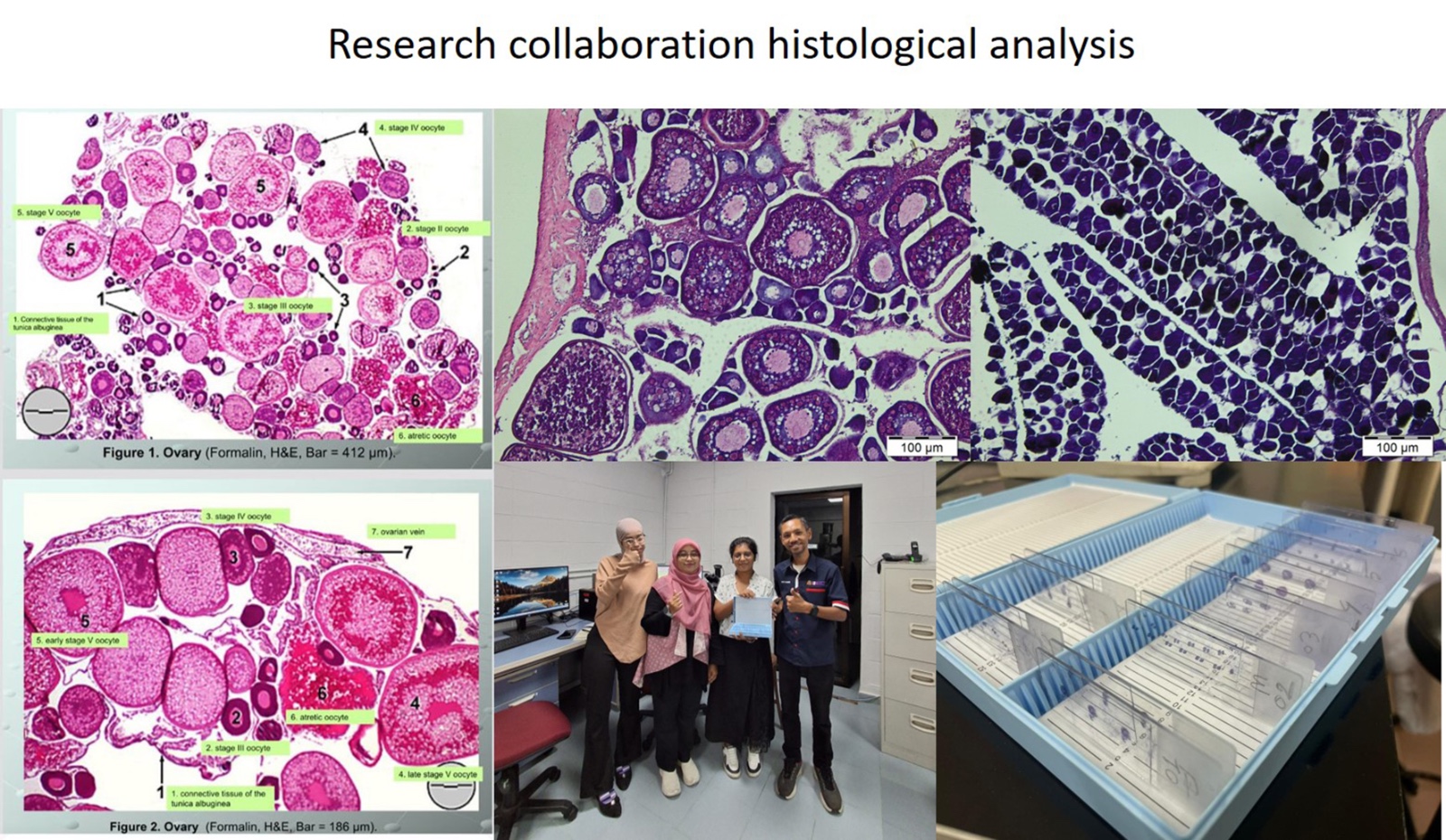
Laboratory sessions on histological evaluation and reproductive biology techniques also provided hands-on exposure to fish gonad assessment, oocyte development analysis, and fisheries research methodologies.
Community Service and Knowledge Sharing
A major highlight of the programme was the Community Service and Responsibility (CSR) initiative held on 21 May 2026 at PNK PPS Teluk Kumbar.
The programme focused on fisheries product training and community engagement involving local fishermen and coastal communities.
Speaking on the overall programme, Norhafiz highlighted the importance of integrating research, education, and community engagement within international collaborations.
“This programme reflects a holistic collaboration between USM and UNAIR where research activities are not only confined to laboratories and field studies, but are also extended directly to the local community.
“Throughout the week, participants were exposed to practical scientific learning, coastal sampling techniques, histological analysis, and direct interaction with fisheries stakeholders. Such collaborations are important in strengthening regional scientific networks, student development, and sustainable community engagement,” he said.
He also noted that the programme provided an important platform for strengthening long-term cooperation between Malaysia and Indonesia, particularly in the fields of fisheries biology, marine biodiversity, reproductive biology, and coastal community development.
Meanwhile, Lailatul expressed appreciation for the opportunity to participate in the collaborative research programme and described the experience as highly valuable for academic and scientific exchange.
“The entire week provided meaningful exposure to field sampling, laboratory techniques, and scientific discussions between researchers and students from both institutions. Through this collaboration, we were able to exchange knowledge, research experiences, and methodologies related to fisheries and marine science.
“This programme also strengthened the academic relationship between UNAIR and USM while opening opportunities for future collaborative research and student mobility activities,” she said.
She further emphasised that the integration of fieldwork and laboratory learning allowed participants to better understand real-world applications of fisheries and reproductive biology research in tropical coastal ecosystems.
Commenting on the CSR component of the programme, Dwi Yuli highlighted the importance of community participation and knowledge sharing with local fisheries communities.
“The CSR activities at PNK PPS Teluk Kumbar demonstrated how universities can contribute directly to society through community engagement and fisheries-related training.
“The interaction with local fishermen was very meaningful because it allowed knowledge exchange between academics and the community. We hope programmes such as this can continue in the future to support sustainable fisheries practices and community empowerment,” she said.
Representing the local fisheries community, Roslizan Ramli, Head of Fishermen Unit Teluk Kumbar, welcomed the collaboration and acknowledged the positive impact of the CSR programme on the fishing community.
“We are grateful for the collaboration between USM and UNAIR in organising this CSR programme with the fishermen community at Teluk Kumbar.
“The activities and fisheries product training sessions provided useful exposure and new knowledge for our local fishermen, especially in understanding fisheries products, community engagement, and the importance of collaboration with universities,” he said.
He added, “Programmes like this help strengthen relationships between researchers and the fishing community while encouraging knowledge sharing for the benefit of future generations.”
Roslizan also expressed hope that similar programmes could be continued in the future to further support local fisheries communities through educational, scientific, and socio-economic initiatives.
Strengthening Regional Cooperation and Future Outlook
In addition, Laksmi emphasised the significance of strengthening regional academic collaboration and international engagement through integrated research and community-based programmes.
“This collaboration reflects the strong commitment between UNAIR and USM in advancing scientific cooperation, student exposure, and community engagement at the regional level.
“The integration of research, laboratory learning, and CSR activities throughout the programme demonstrates how universities can contribute not only to scientific advancement but also to sustainable community development and international partnership,” she said.
The CSR programme included fisheries product training sessions, knowledge-sharing activities, discussions with fishermen, and community interaction sessions aimed at strengthening collaboration between higher education institutions and coastal communities.
The programme concluded with a full-day laboratory and knowledge transfer session focusing on histological and reproductive biology studies, further strengthening participants’ technical competencies in fisheries research and laboratory analysis.
Overall, the USM–UNAIR Research Collaboration and Community Service Programme successfully demonstrated the importance of international academic cooperation, practical scientific training, and meaningful community engagement in supporting sustainable coastal and fisheries development.
Source: Press statement from Dr. Norhafiz Hanafi Ahmad Shah, School of Biological Sciences, USM/Editing: Tan Ewe Hoe
- Created on .
- Hits: 641
