GSCN–USM–IPB INTERNATIONAL EXPEDITION ADVANCES COASTAL FISH BIODIVERSITY RESEARCH IN INDONESIA
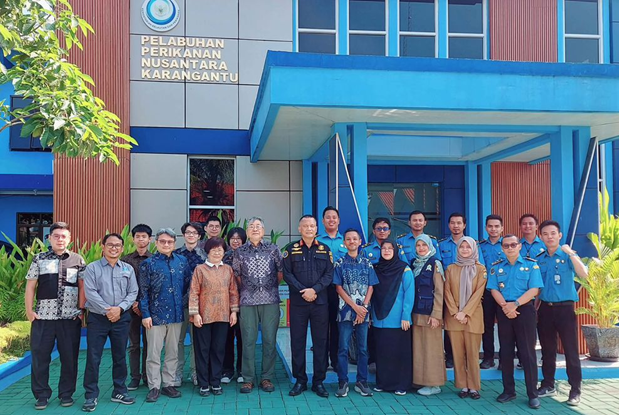
USM PENANG, 8 May 2026 – Universiti Sains Malaysia (USM), in collaboration with Institut Pertanian Bogor (IPB University) and partners under the Global Sciaenidae Conservation Network (GSCN), has successfully completed an international research expedition to advance understanding of coastal fish biodiversity in North Java, Indonesia.
Conducted from 12 to 25 April 2026, the expedition spanned key sites in Karangantu (Banten), Blanakan (Subang), and Bogor (West Java).
The programme integrated field-based biodiversity surveys, community engagement, and museum-based taxonomic validation into a unified research framework.
Multinational Leadership and Collaboration
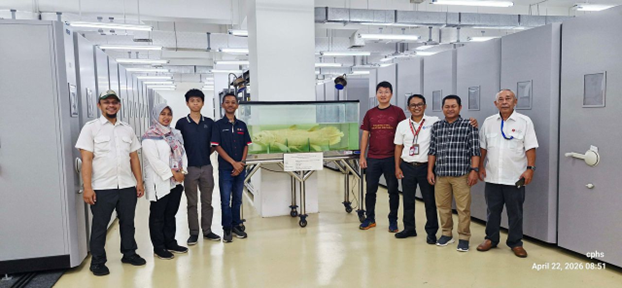
Scientists from Indonesia, Malaysia, Taiwan, Hong Kong, and the United States joined forces, highlighting a strong multinational and multidisciplinary collaboration, particularly in the study of the ecologically and economically important fish families Sciaenidae and Leiognathidae.
The expedition was led by Dr. Charles P. H. Simanjuntak (IPB University) with active collaboration from Dr. Norhafiz Hanafi Ahmad Shah (School of Biological Sciences, USM). The international team included:
- Ning Labbish Chao – National Museum of Marine Biology and Aquarium (NMMBA), Taiwan; Bio-Amazonia Conservation International, USA
- Meng-Hsien Chen – National Sun Yat-sen University (NSYSU), Taiwan
- Chang Chih-Wei – National Academy of Marine Research (NAMR), Taiwan
- Lin Chien-Hsiang – Academia Sinica, Taiwan
- Prof. Dr. Seah Ying Giat – Universiti Malaysia Terengganu (UMT), Malaysia
- Lin Baian – The University of Hong Kong, Hong Kong
- Lau Qi Jin – Universiti Sains Malaysia, Malaysia
- Hsih-Wei Liu – Academia Sinica, Taiwan
Fieldwork and Taxonomic Validation
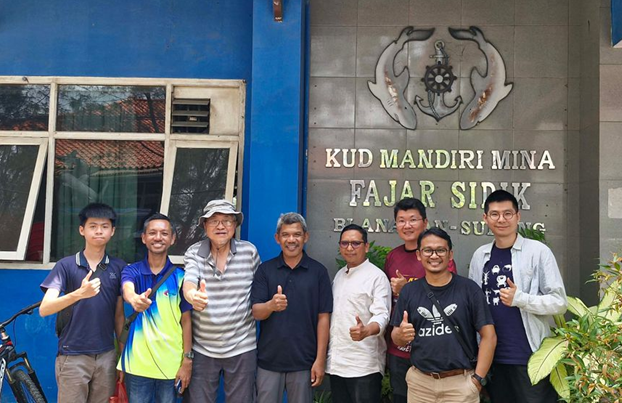
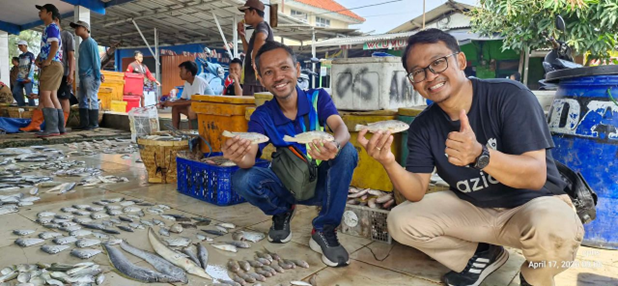
The field phase began with a collaborative survey at Pelabuhan Perikanan Nusantara Karangantu (PPN Karangantu) on 14 April 2026, followed by extended sampling in Blanakan in collaboration with Koperasi Unit Desa, KUD Mina Fajar Sidik.
The activities combined biodiversity documentation with capacity building, including hands-on training for local fisheries enumerators in species identification and ecological assessment.
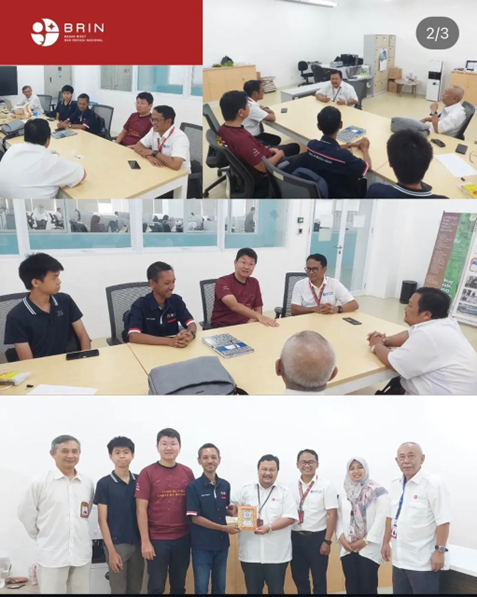
The research concluded with a taxonomic verification phase at the Museum Zoologicum Bogoriense (MZB), hosted by Badan Riset dan Inovasi Nasional (BRIN), ensuring scientific rigour through comparative morphology and validation against historical type specimens.
The expedition documented 30 fish species, including 13 species of Sciaenidae and 17 species of Leiognathidae, highlighting the rich biodiversity of North Java’s coastal ecosystems and identifying new and potential new records.
Leadership Perspectives
Dr. Charles P. H. Simanjuntak (IPB University), expedition leader, elaborated on the scientific and collaborative significance: “This expedition represents a full integration of biodiversity research, from field exploration to museum-based validation, ensuring that our findings are not only scientifically accurate but also globally comparable.
“By working across institutions and countries, we are able to standardise taxonomic approaches and build a more reliable regional database for Sciaenidae and related groups.
“Importantly, our engagement with local fisheries stakeholders, such as those at Karangantu and Blanakan, ensures that scientific knowledge is translated into practical understanding. This is essential for bridging the gap between research and fisheries management, particularly in regions where biodiversity remains under documented,” he added.
From the USM perspective, Dr. Norhafiz Hanafi Ahmad Shah highlighted the broader regional and capacity-building impact: “Participation in this GSCN expedition reflects USM’s commitment to strengthening marine biodiversity research not only at the national level but across Southeast Asia. Through this collaboration, we are actively contributing to the development of taxonomic expertise, data sharing, and methodological standardisation among regional scientists.”
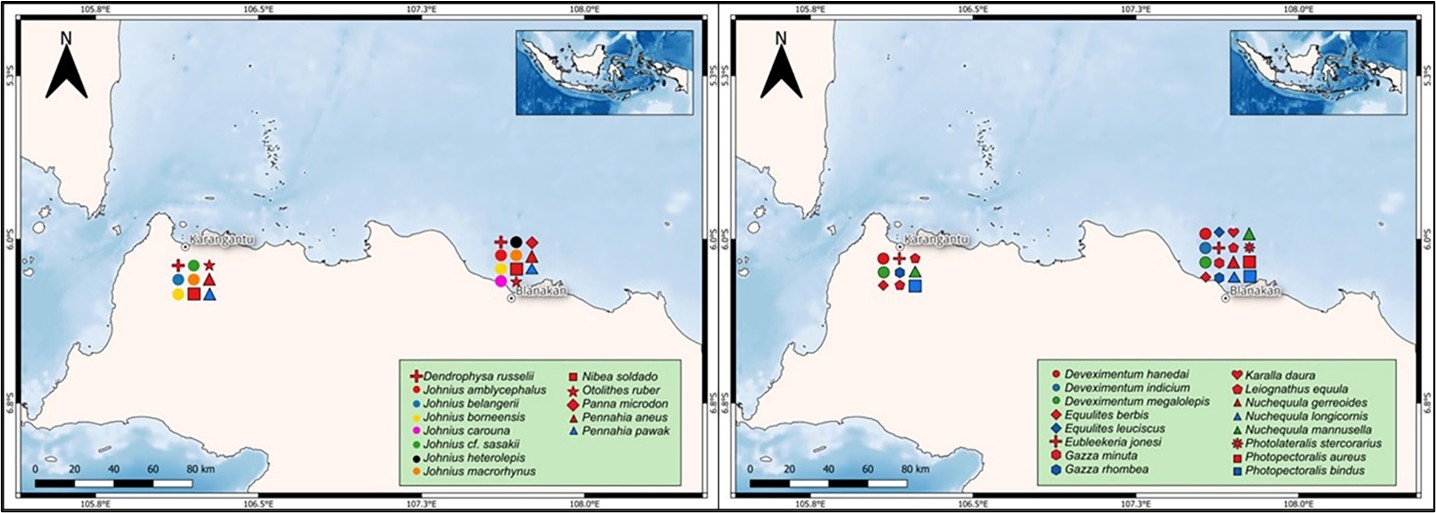
Figure 1. Sampling Maps PPN Karangantu and KUD Blanakan
“Equally important is the human capacity aspect; this expedition provided opportunities for knowledge transfer, hands-on training, and exposure to international research practices, particularly in museum-based taxonomy. These experiences are critical for nurturing the next generation of marine scientists and ensuring long-term sustainability in biodiversity research,” he said.
A representative of USM leadership added: “USM is proud to be part of this impactful international collaboration. The GSCN expedition demonstrates how strategic partnerships can drive high-quality research, strengthen regional expertise, and contribute meaningfully to sustainable marine resource management.”
Advancing Science, Capacity, and Global Collaboration
Beyond its scientific discoveries, the expedition contributed significantly to:
- Development of morphometric and ecological datasets
- Collection of tissue samples for molecular analysis
- Training of fisheries enumerators and early-career researchers
- Strengthening international research collaboration networks
This GSCN–USM–IPB collaboration stands as a model of integrated biodiversity research, linking field exploration, community engagement, and museum-based scientific validation.
The initiative not only advances scientific knowledge but also supports sustainable fisheries management and reinforces regional capacity in marine science.
Source Text & Photo: Press statement from Dr. Norhafiz Hanafi Ahmad Shah, School of Biological Sciences, USM/Editing: Tan Ewe Hoe
References to related press statements (Indonesia):
- Created on .
- Hits: 1786
