CLOSING REFLECTIONS POSITION LEADERSHIP AS A SYSTEMIC, HUMAN-CENTRED IMPERATIVE IN THE SERVICE ECONOMY
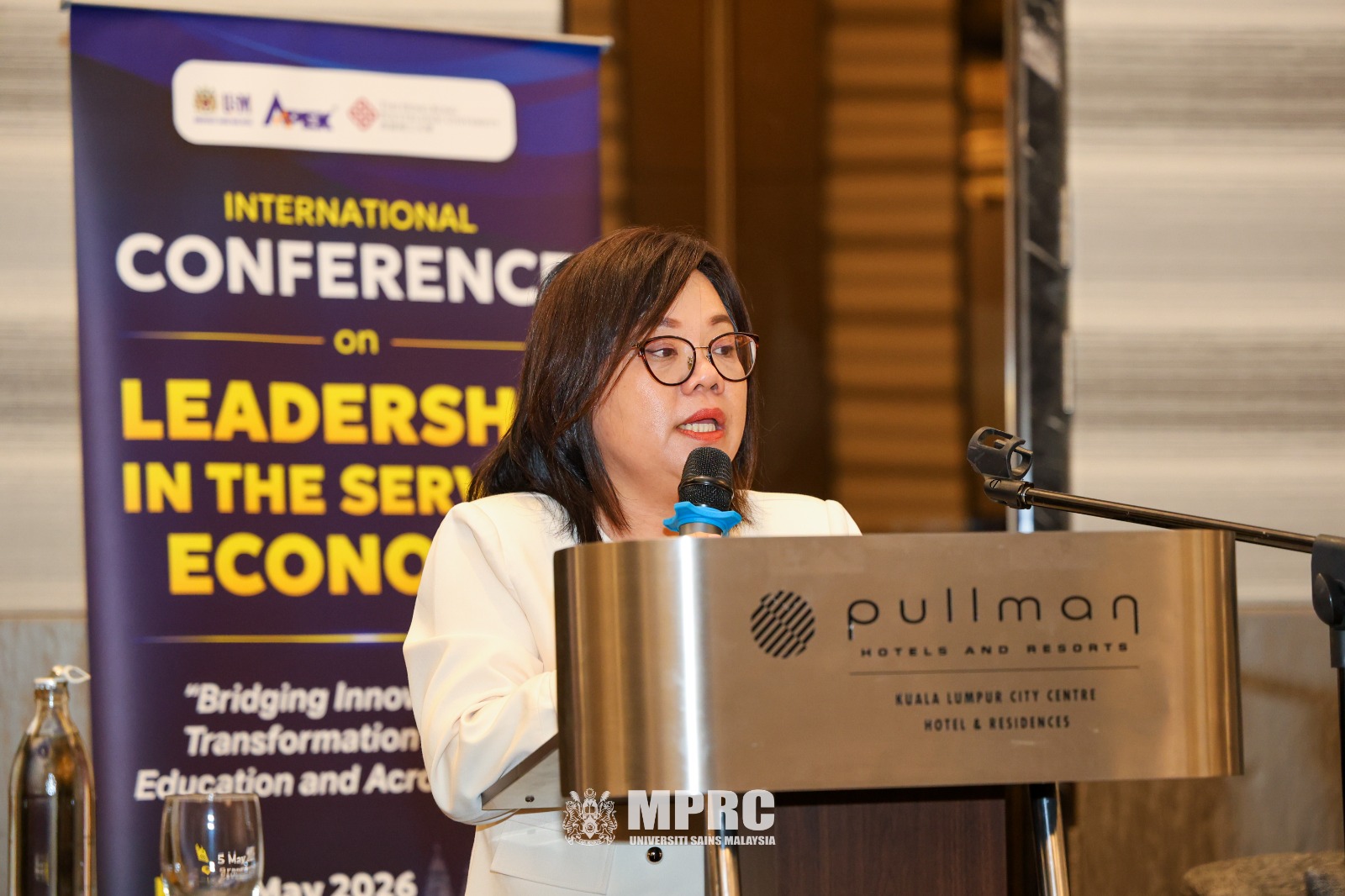
KUALA LUMPUR, 5 May 2026 – The concluding address of the International Conference on Leadership in the Service Economy brought clarity to the day’s discussions, consolidating key insights into a coherent understanding of leadership as a systemic and socially embedded practice. Delivered by Associate Professor Dr. Thien Lei Mee on behalf of Universiti Sains Malaysia and the National Higher Education Research Institute, the address framed the conference as a cumulative inquiry into how leadership must evolve within a service-driven global economy.
She emphasised that leadership can no longer be confined to organisational management or technical expertise. Instead, it operates at the intersection of values, institutional design, and societal expectations, requiring both ethical grounding and responsiveness to economic and technological change.
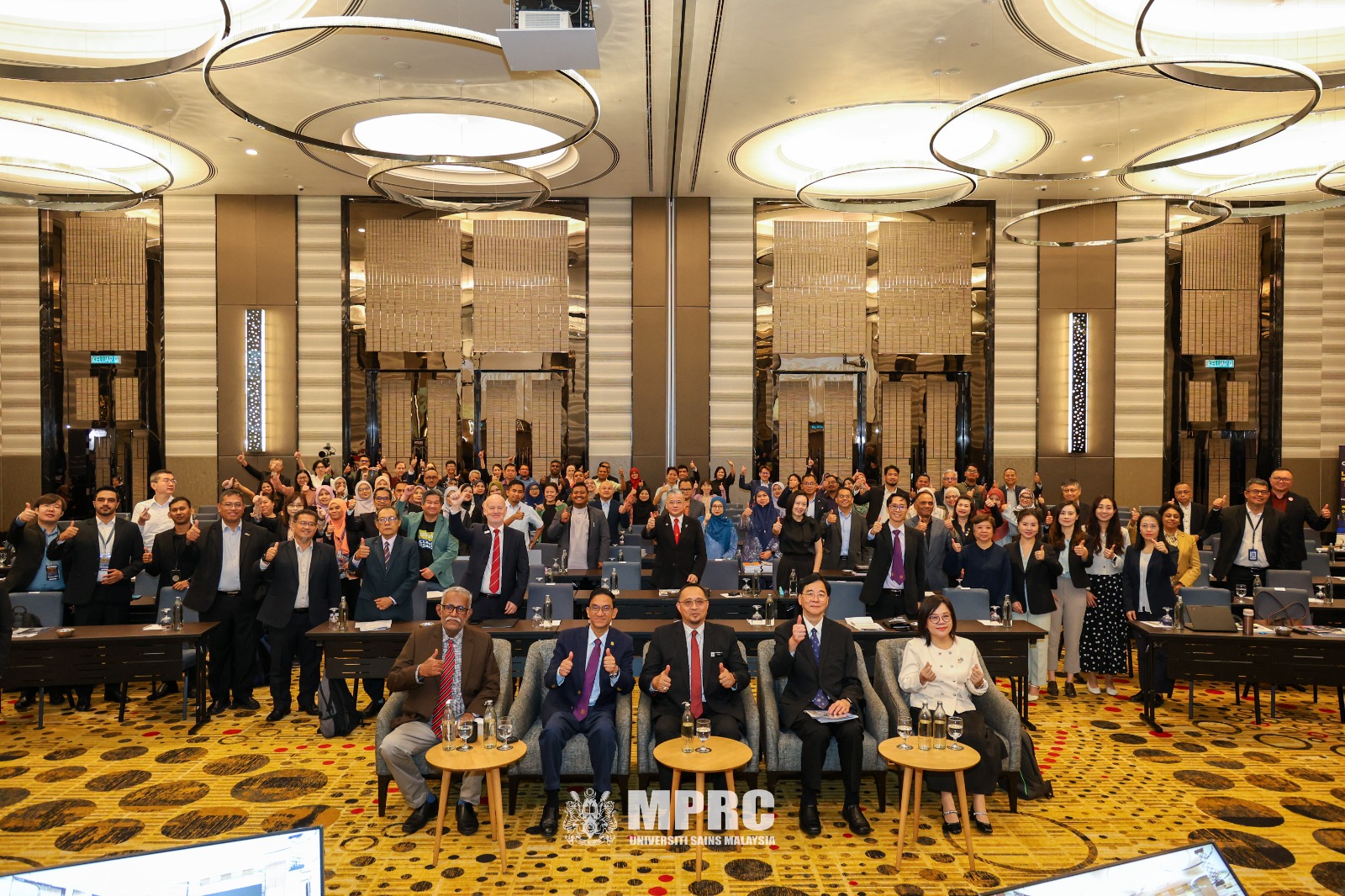
The speaker highlighted that service leadership is not optional but necessary. In economies where value is intangible and relational, leadership is defined by its ability to build trust, foster inclusivity, and generate societal impact. This reinforces the need for leadership education to move beyond theory towards structured, evidence-based practice.
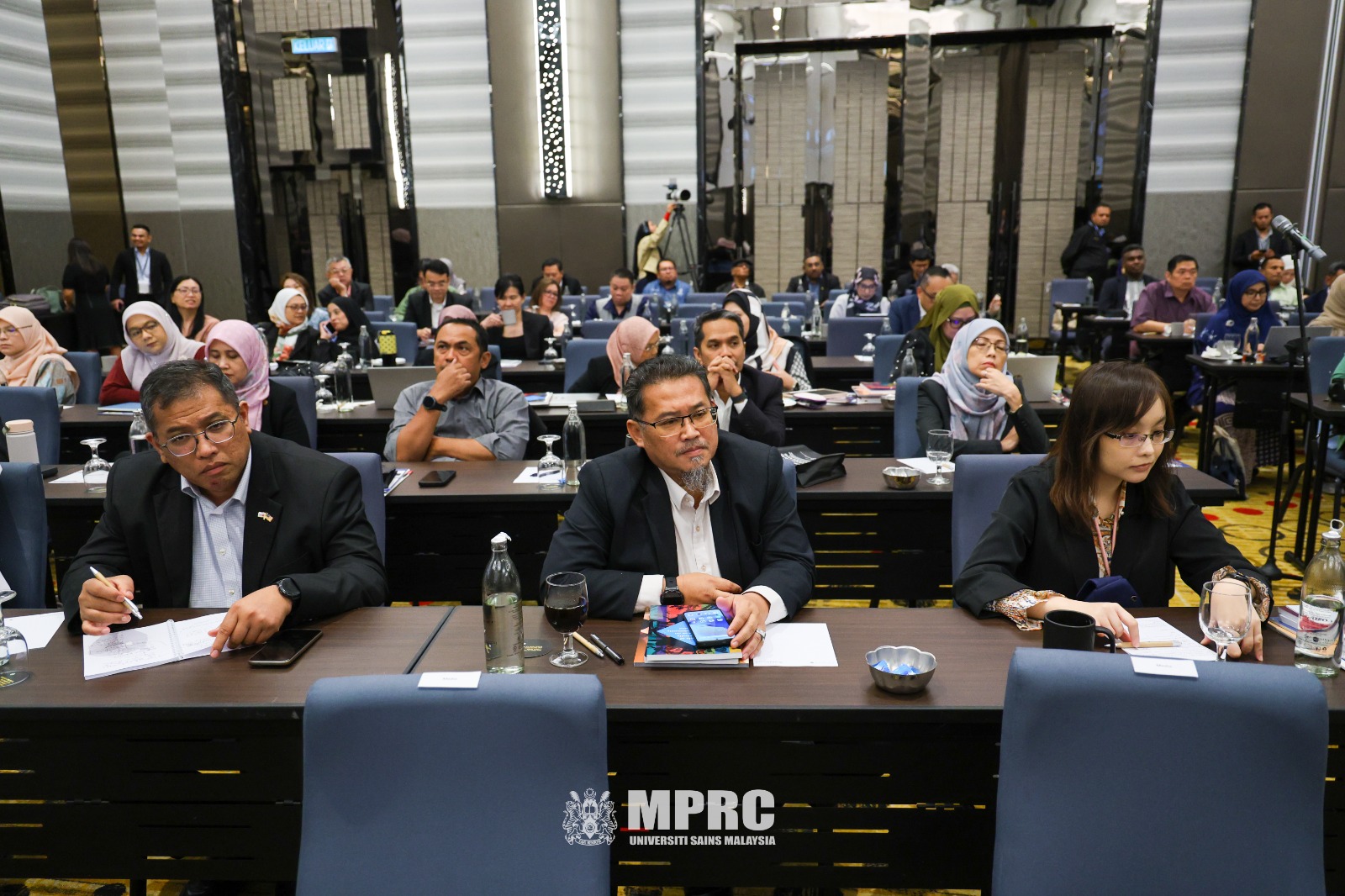
She further positioned the importance of context, noting that leadership models must be adapted to institutional, cultural, and governance realities rather than applied uniformly.
On technology, the speaker framed digitalisation and artificial intelligence as both opportunity and responsibility, requiring not only technical competence but also ethical judgement and human-centred decision-making.
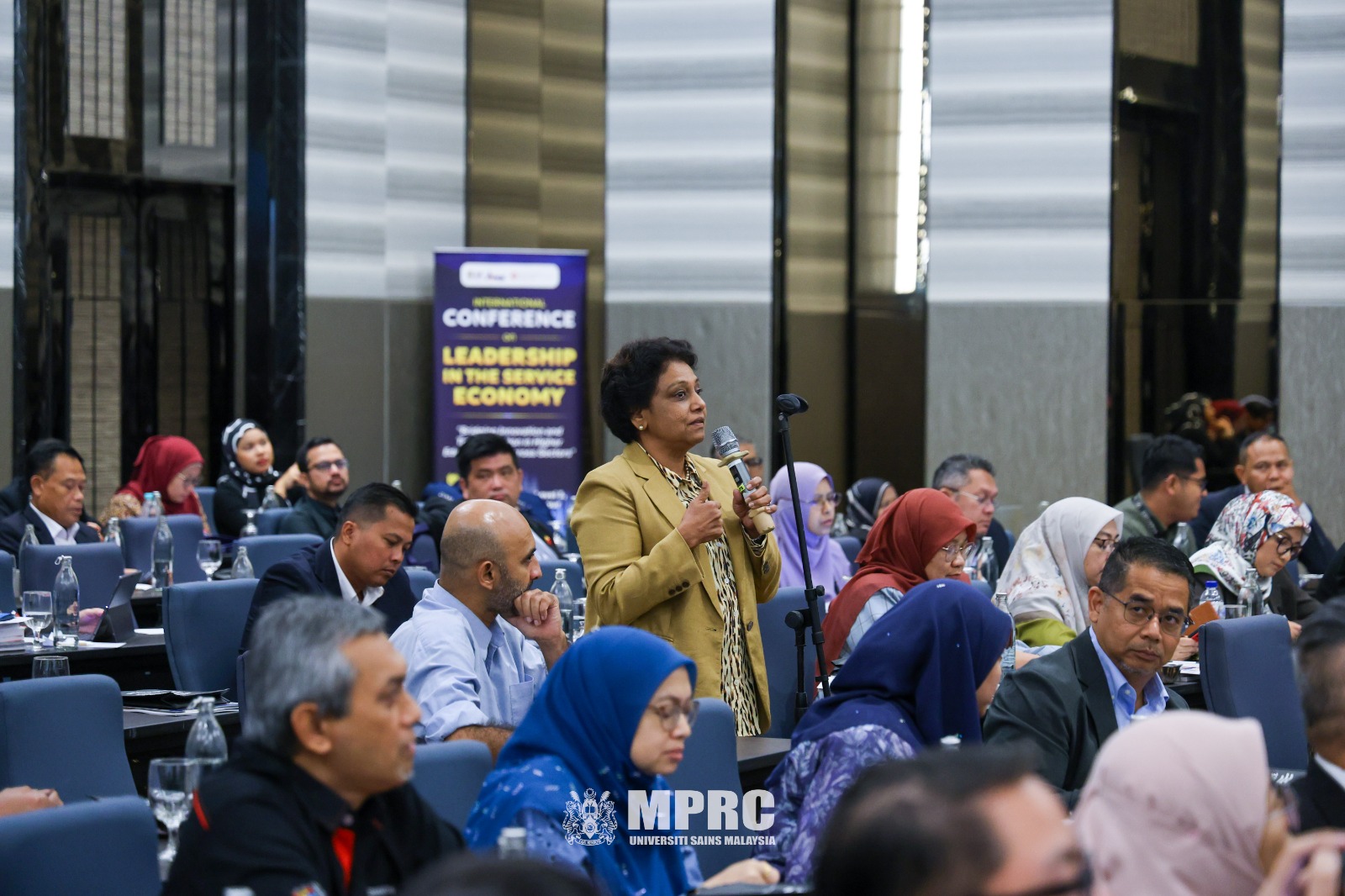
She emphasised that higher education institutions are key drivers of this transformation, responsible for cultivating competencies, values, and adaptive capacities aligned with the service economy.
The address also drew attention to the close link between leadership and talent development, particularly in service-oriented sectors where organisational sustainability depends on the continuous development of people.
Collaboration, including international partnerships, was highlighted as essential to advancing shared knowledge and addressing complex global challenges.
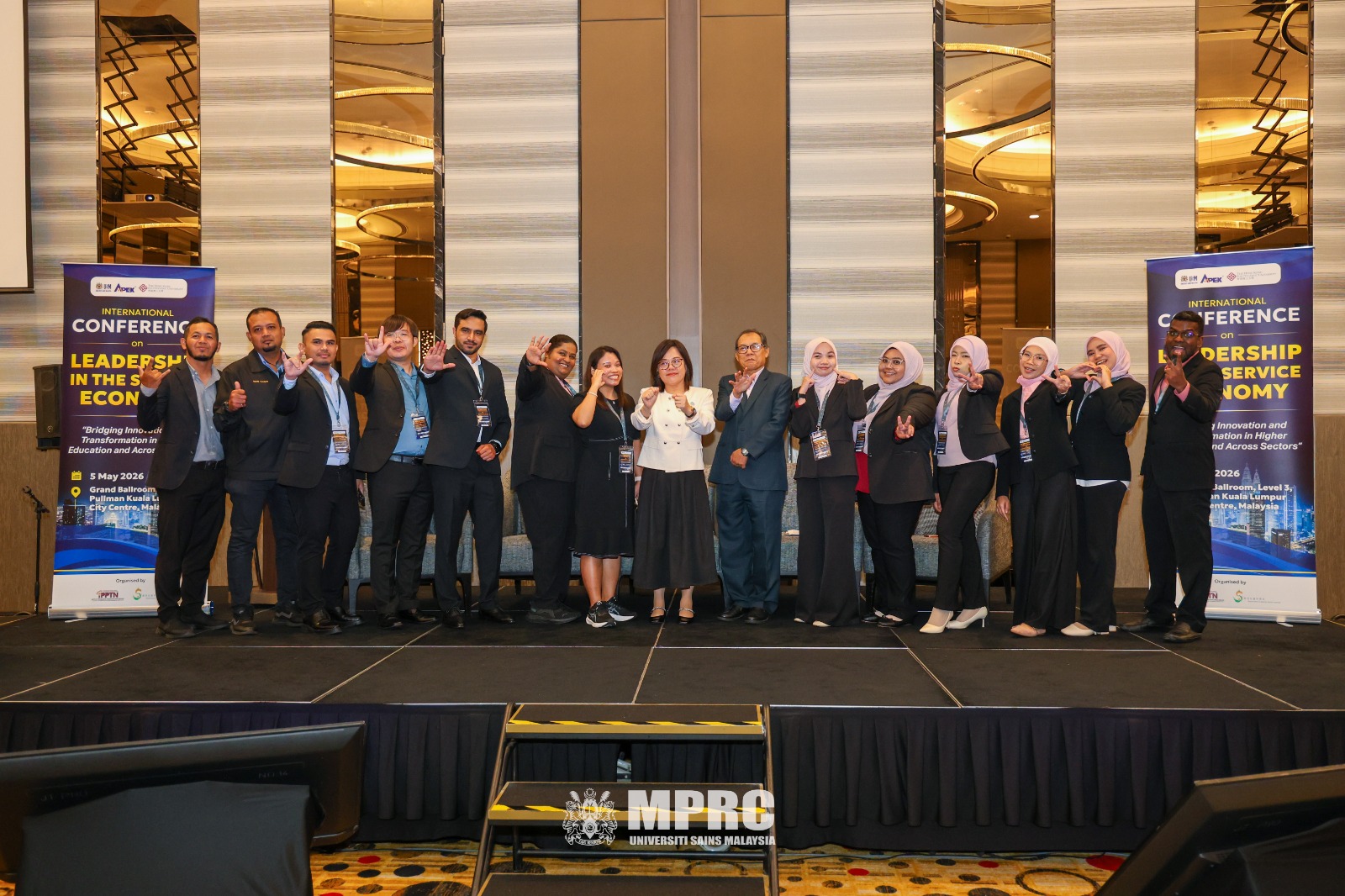
In closing, she reaffirmed that leadership is no longer hierarchical or static, but dynamic, distributed, and deeply embedded within societal transformation, with its value measured by its ability to shape systems that are responsive, ethical, and sustainable.
- Created on .
- Hits: 271
