RECALIBRATING LEADERSHIP IN HIGHER EDUCATION: FROM INSTITUTIONAL AUTHORITY TO RELATIONAL AND SERVICE-ORIENTED PRACTICE
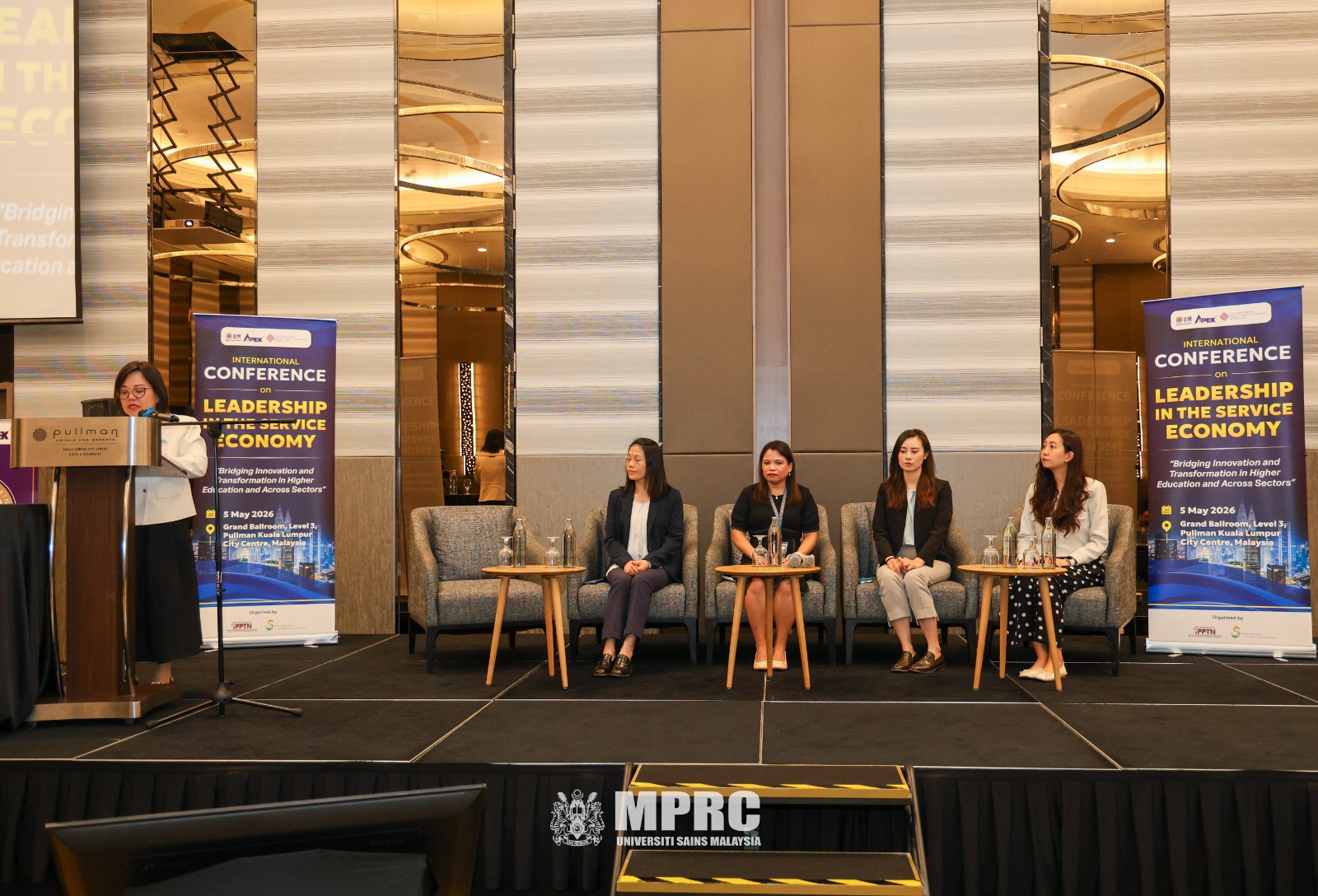
KUALA LUMPUR, 5 May 2026 – The case study session on leadership in education examined how leadership is being recalibrated in response to structural shifts in the global economy and the evolving role of higher education. The session repositioned leadership as a relational, service-oriented, and systemically embedded practice rather than a function of authority alone.
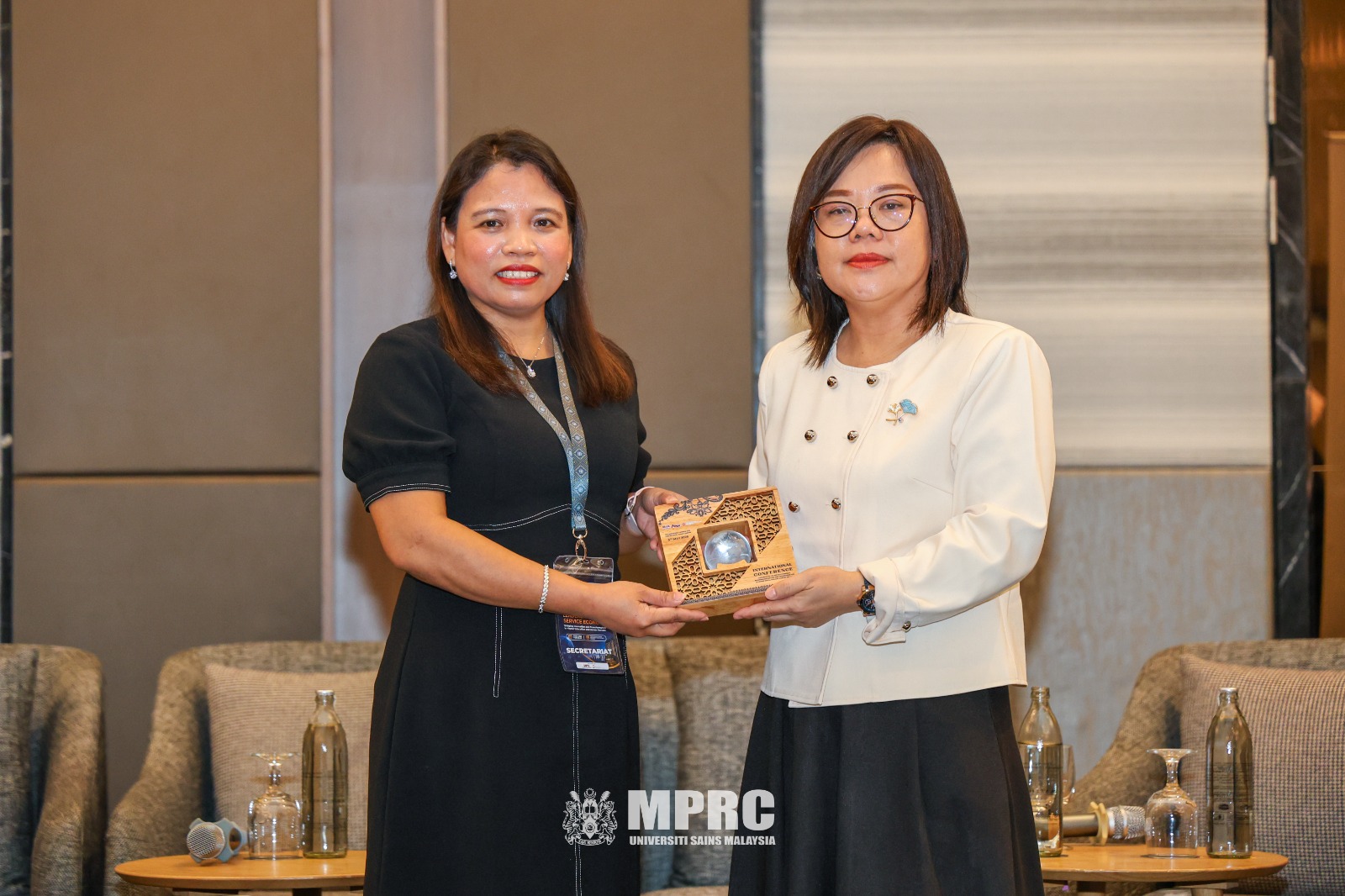
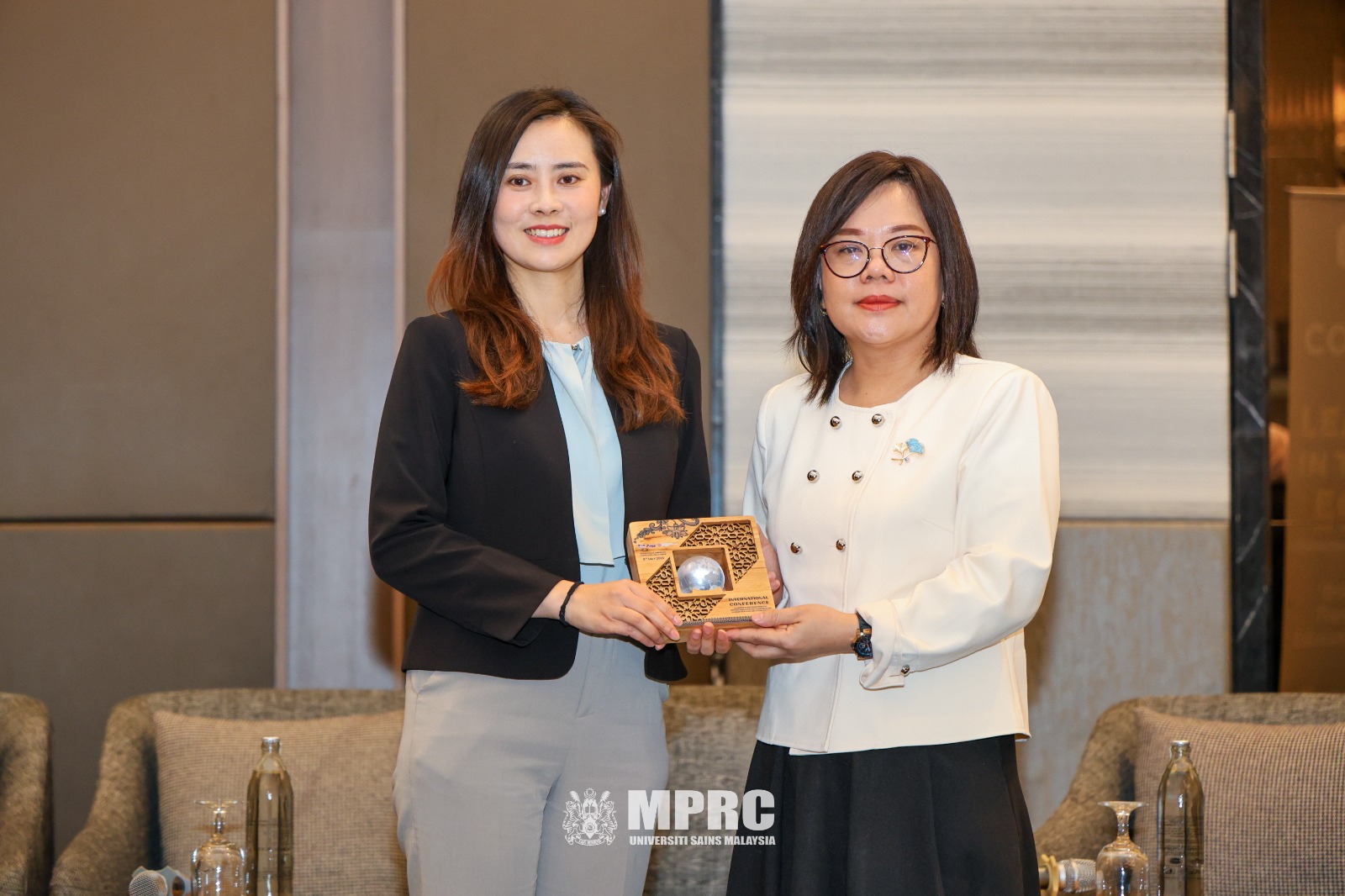
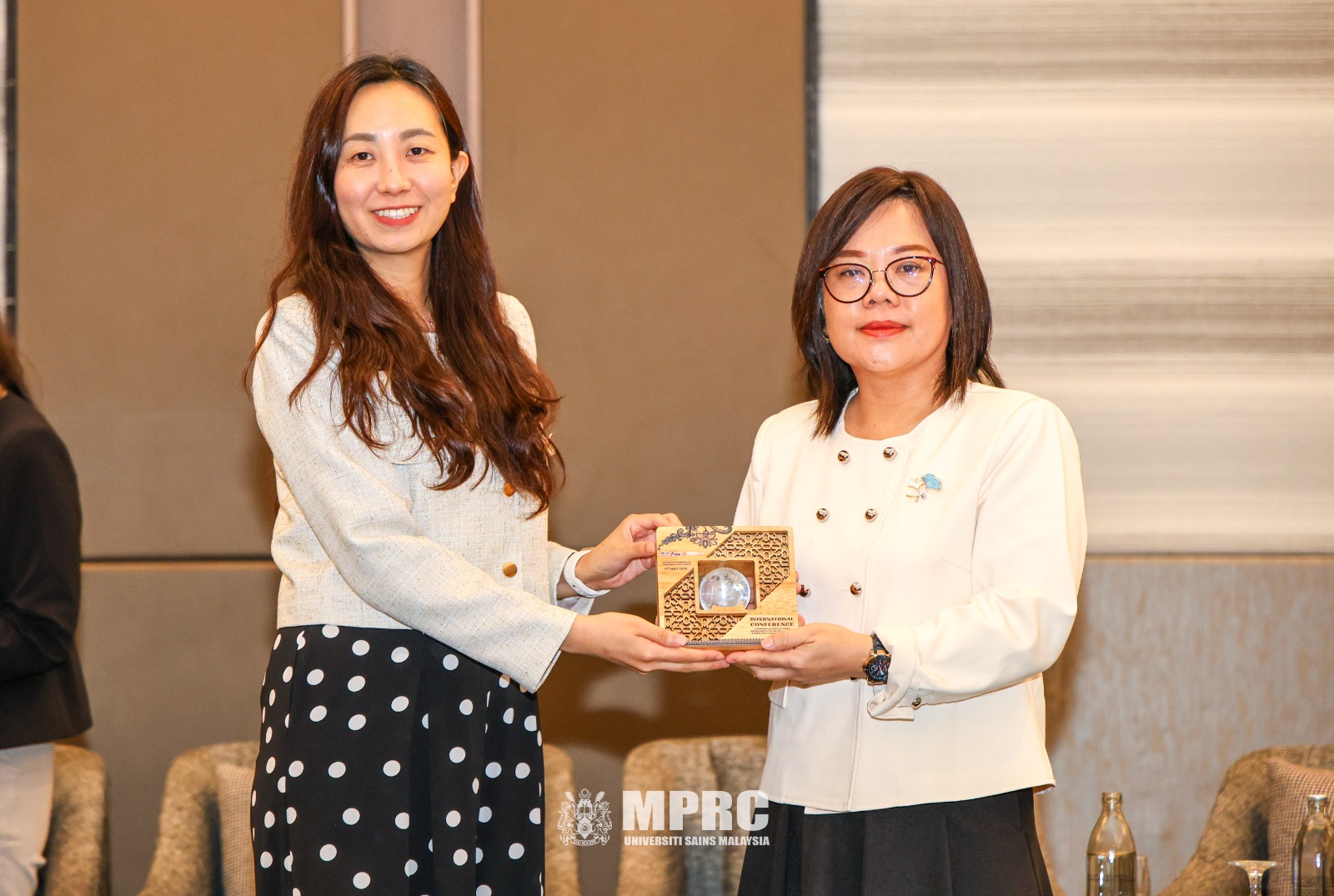
Moderated by the Director of the National Higher Education Research Institute (IPPTN), Universiti Sains Malaysia (USM), Associate Professor Dr. Thien Lei Mee, the session brought together case-based perspectives from Malaysia, Hong Kong and China on the role of service leadership in education, curriculum design and student development.
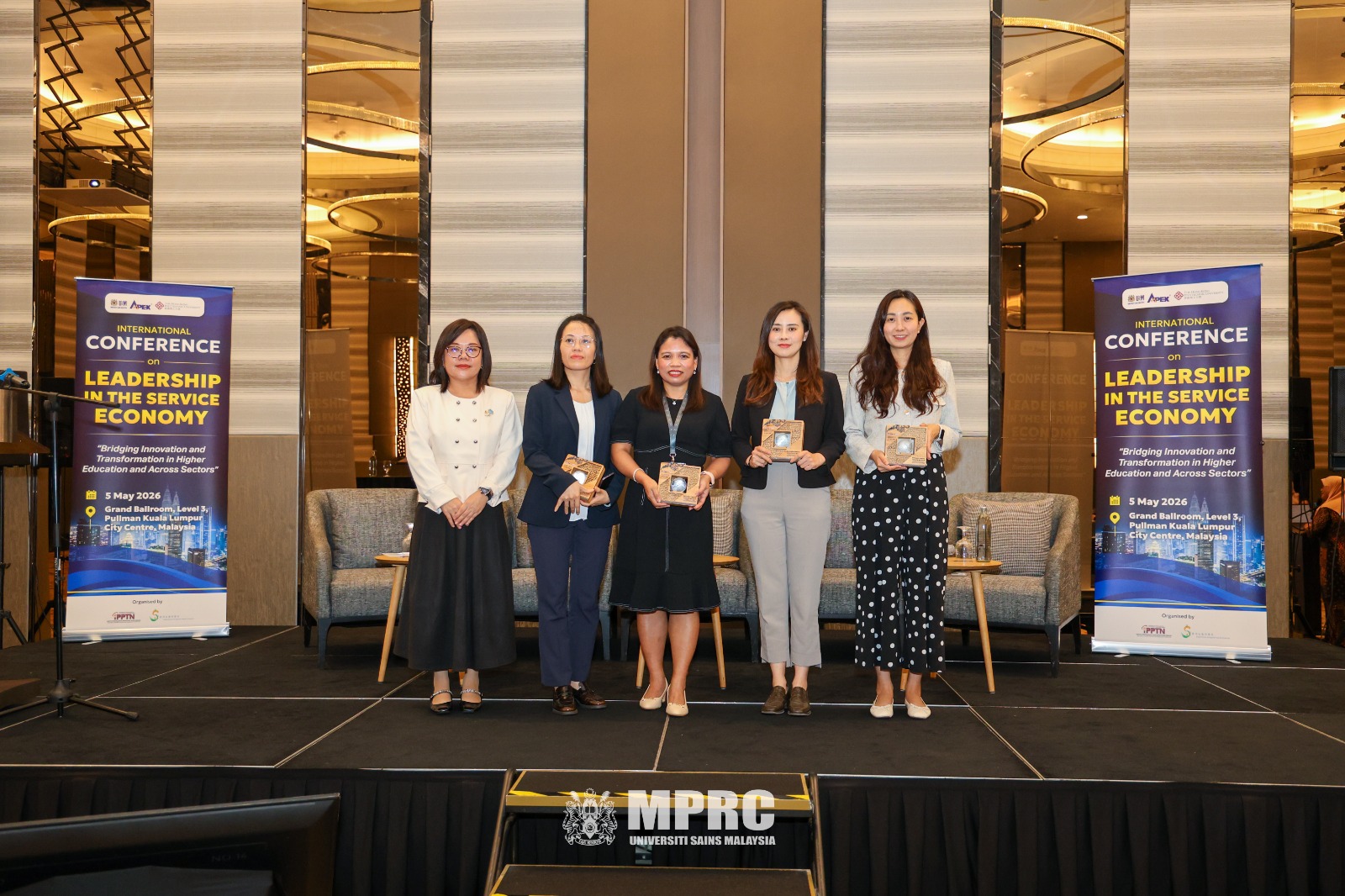
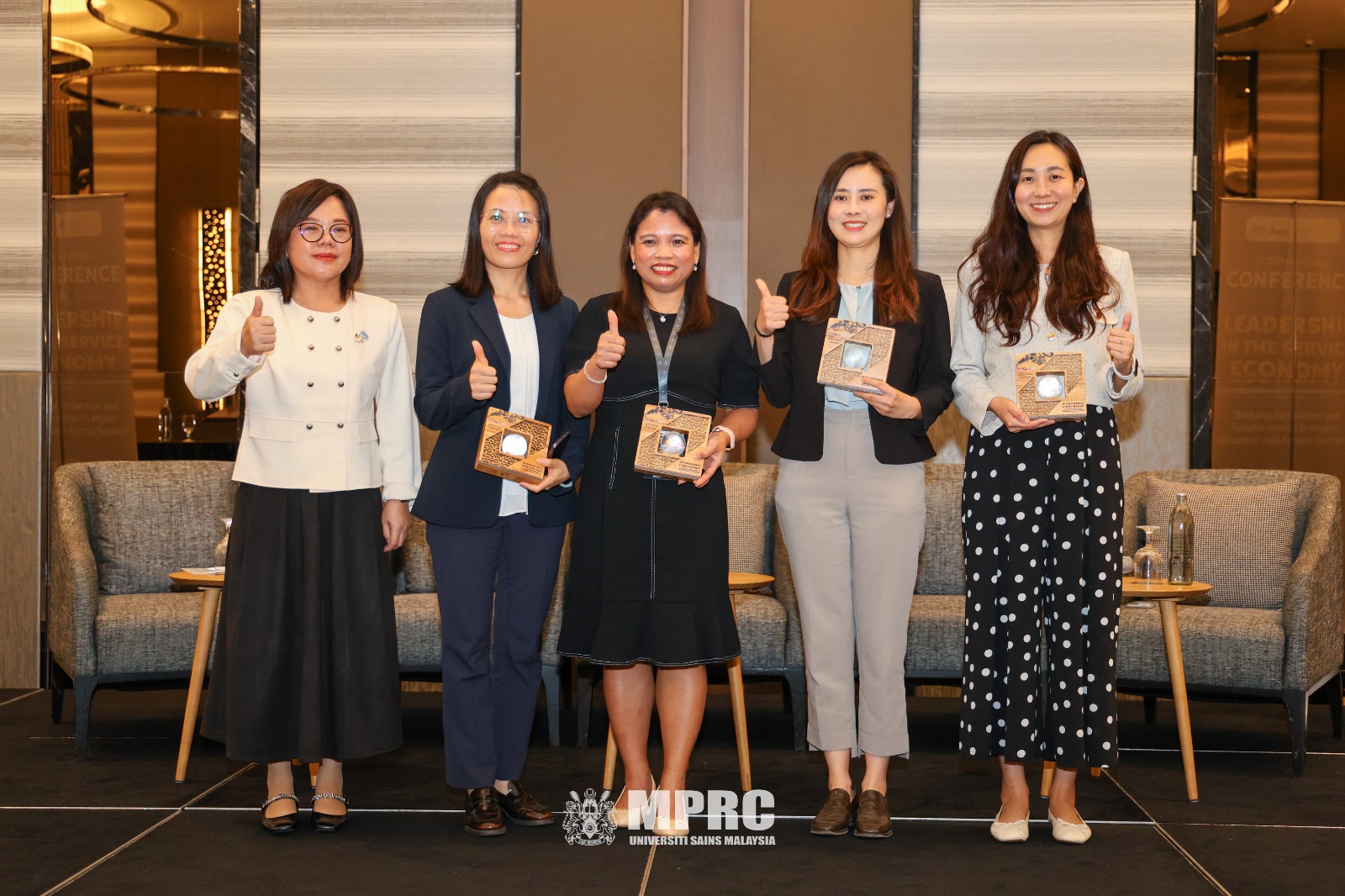
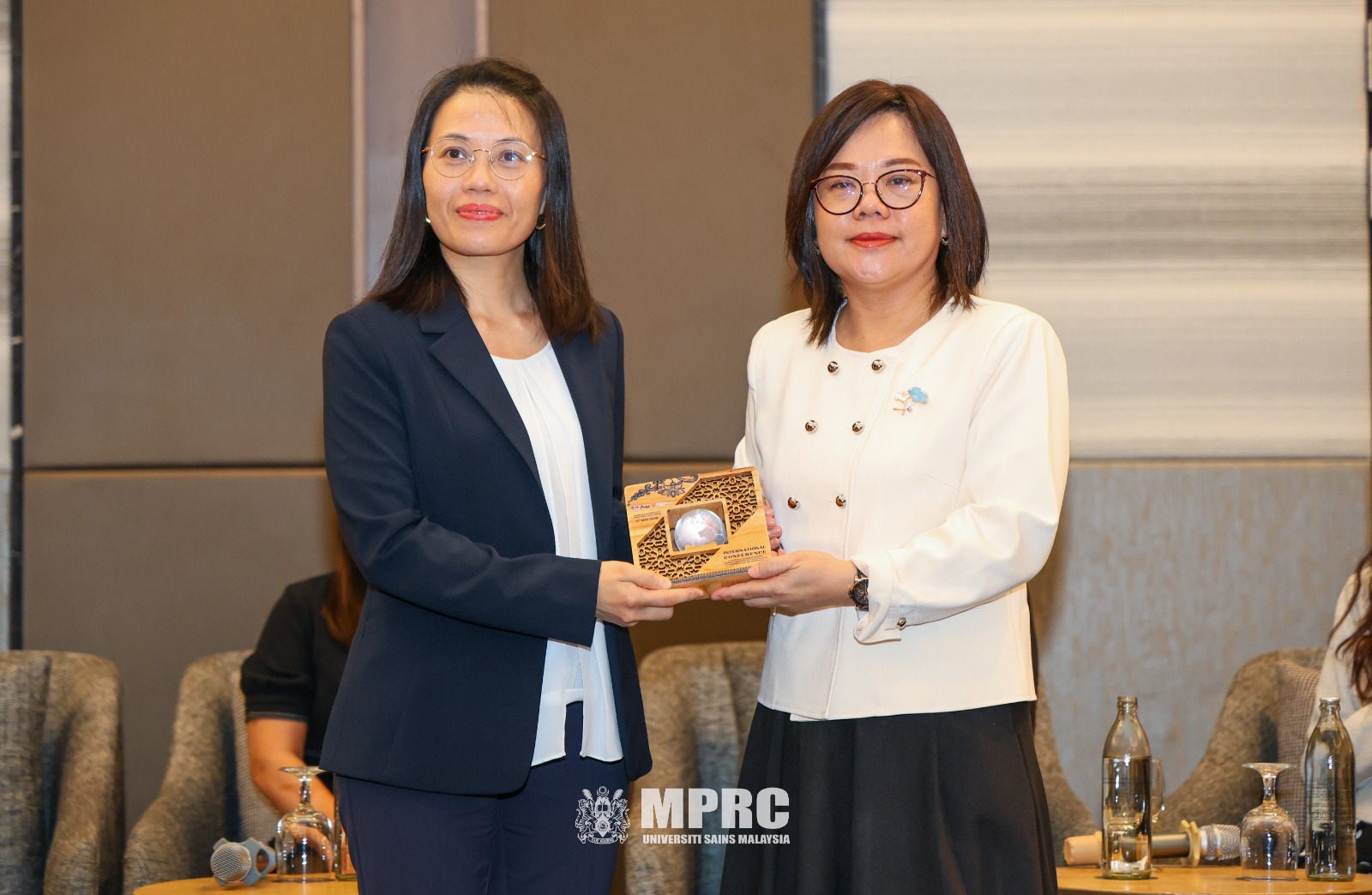
The session featured presentations by Assistant Professor Xiaoqin Zhu from The Hong Kong Polytechnic University; Dr. Sally B Gutierrez from IPPTN, USM; Associate Professor Zheng Zhou from Southwest University of Finance and Economics, China; and Assistant Professor Diya Dou from The Hong Kong Polytechnic University.
A central theme was the shift from hierarchical leadership towards an ethical and interpersonal model grounded in responsiveness to human needs. In a service-driven economy, leadership is increasingly assessed by its contribution to societal outcomes rather than organisational performance alone.
This approach is reflected in the integration of leadership development within formal curricula. Credit-bearing service leadership education embeds values such as empathy, character and civic responsibility, positioning leadership as a practice developed through experience, reflection and application.
Evidence presented shows measurable improvements in life satisfaction, emotional competence and critical thinking. These outcomes remained consistent even in digitally mediated environments, indicating that leadership development can be sustained beyond traditional classroom settings.
The session also highlighted broader systemic implications. Malaysia’s higher education trajectory towards 2050 was framed within a networked and participatory ecosystem, where leadership is distributed across institutions and communities. Universities are therefore positioned as active agents of societal transformation.
Key institutional responses include the integration of micro-credentials, interdisciplinary learning and ethical reasoning into academic structures to align with evolving economic and societal demands.
Service-learning models were also shown to generate reciprocal benefits for both providers and recipients, reinforcing the idea of learning as a mutually constitutive process.
Overall, the session highlights that the future of leadership in higher education lies in reimagining its role beyond institutional boundaries, towards building adaptive, inclusive and socially responsive systems.
Source: National Higher Education Research Institute (IPPTN), USM/Text: PrivinKumar Jayavanan, Media & Public Relations Centre (MPRC), USM/
Editing: Associate Professor Dr. Shaik Abdul Malik Mohamed Ismail, Senior Editorial Consultant@MPRC, USM/Photo: Encik Mohd Fairus Bin Md Isa
- Created on .
- Hits: 424
