TRUST, TALENT AND LEADERSHIP RESET IN THE SERVICE ECONOMY
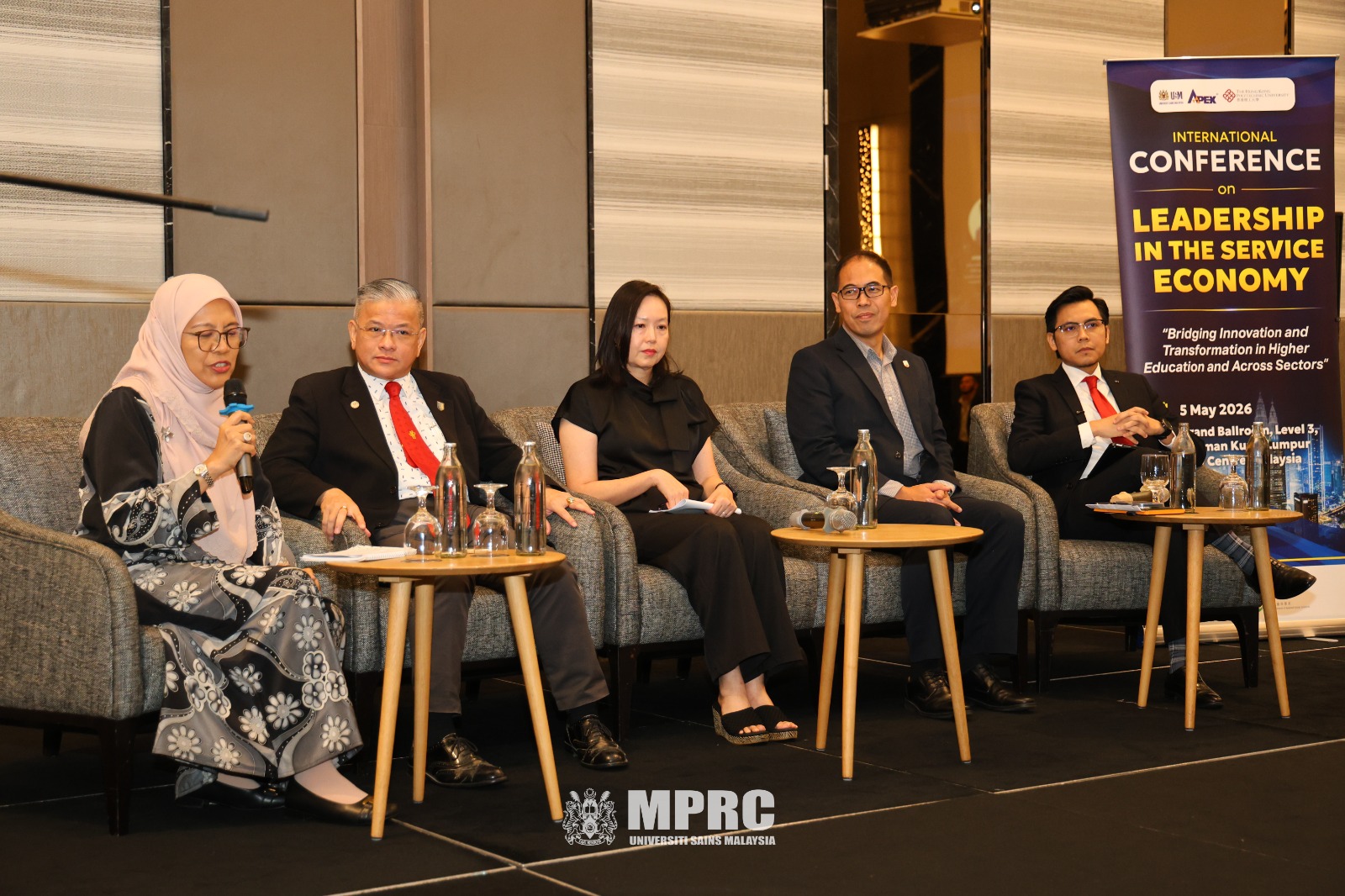
KUALA LUMPUR, 5 May 2026 – The second plenary session of the International Conference on Leadership in the Service Economy examined leadership through the lens of talent formation, institutional alignment and sector specific realities, focusing on how it is enacted within organisations dependent on human capability, trust and adaptive knowledge.
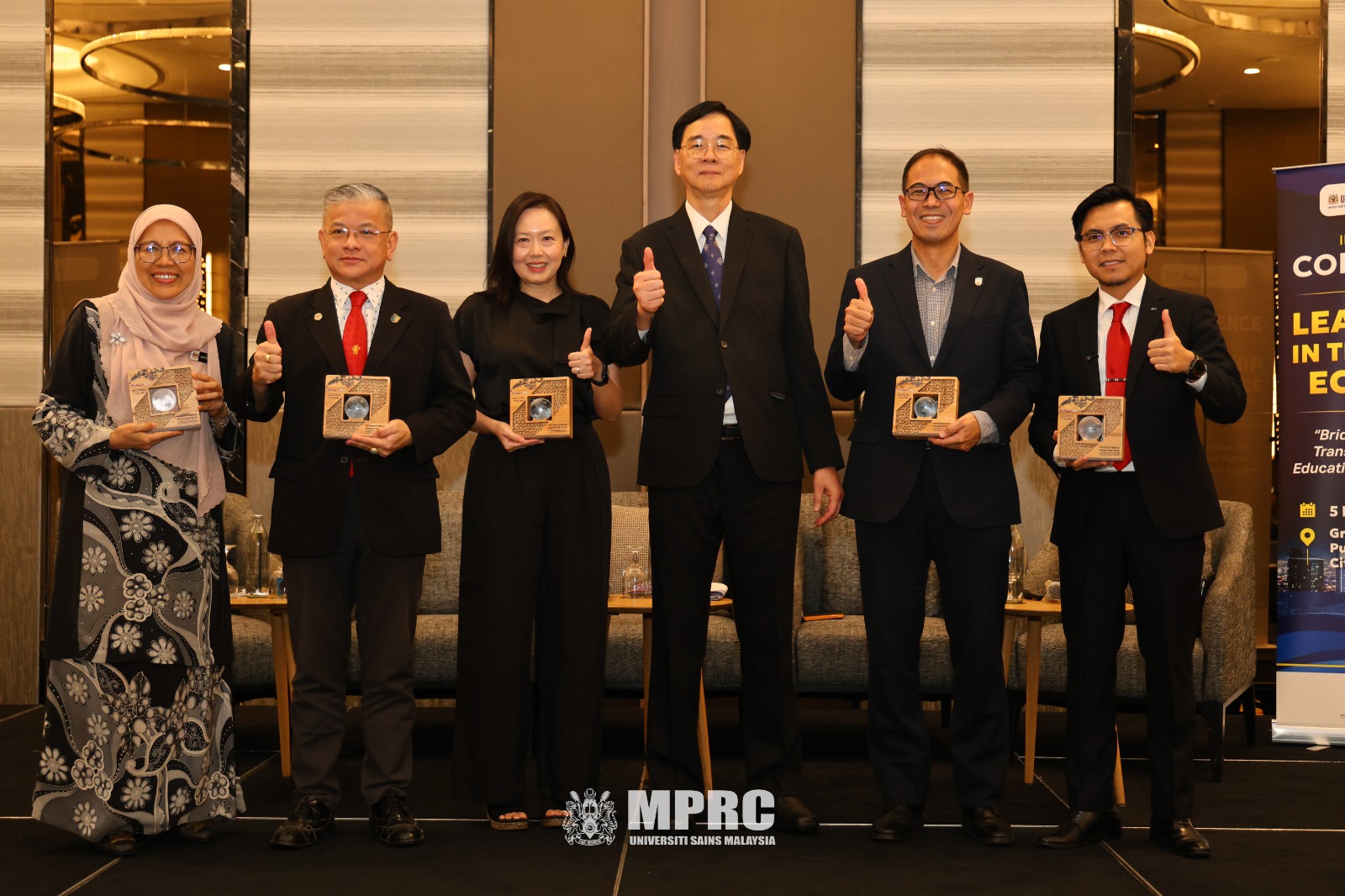
The session, titled “Leadership & Effective Talent Management: Foster Organisational Strategy of Service Industries”, was moderated by Director of the Higher Education Leadership Academy (AKEPT), Professor Dr. Harshita Aini Haroon. It featured the President of The Society of Logisticians Malaysia, Dato’ Log. Ts. Dr. Chang Kah Loon; Vice-Chancellor of Universiti Tenaga Nasional (UNITEN), Professor Ir. Dr. Khairul Salleh Mohamed Sahari; Chief Human Resource Officer of Sunway Healthcare Group, Ms. Joyce Wong Huey Ling; and Vice President and Head of Great Eastern Takaful Berhad, Mr. Syuhalib Ithnin.
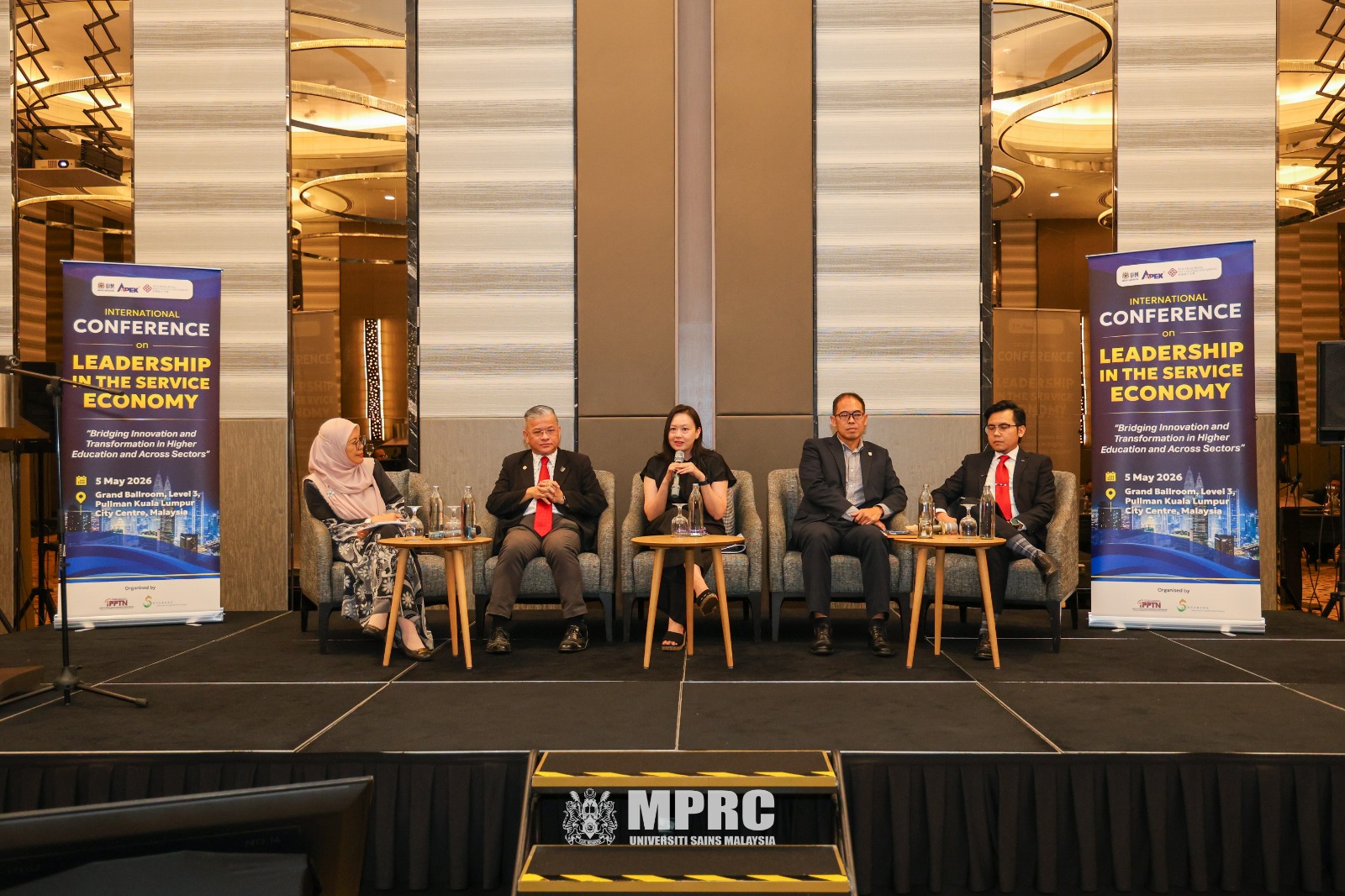
A central theme was the redefinition of talent as a dynamic and evolving asset shaped by institutional design and sectoral demands. This was illustrated through the evolution of logistics, from a military function to a cornerstone of global commerce, highlighting the need for leadership that can respond to increasing scale, complexity and interconnectivity. Maritime logistics in particular underscores the importance of leaders capable of navigating technical precision alongside global coordination. In this context, higher education institutions are expected to align more closely with industry realities and function as active problem-solving entities.
The session also addressed the structural transformation of higher education, where rigid institution centred models are shifting towards more flexible, demand driven systems. Leadership development is increasingly linked to demonstrable competencies rather than formal qualifications alone, reflecting changing expectations around relevance, responsiveness and continuous learning.
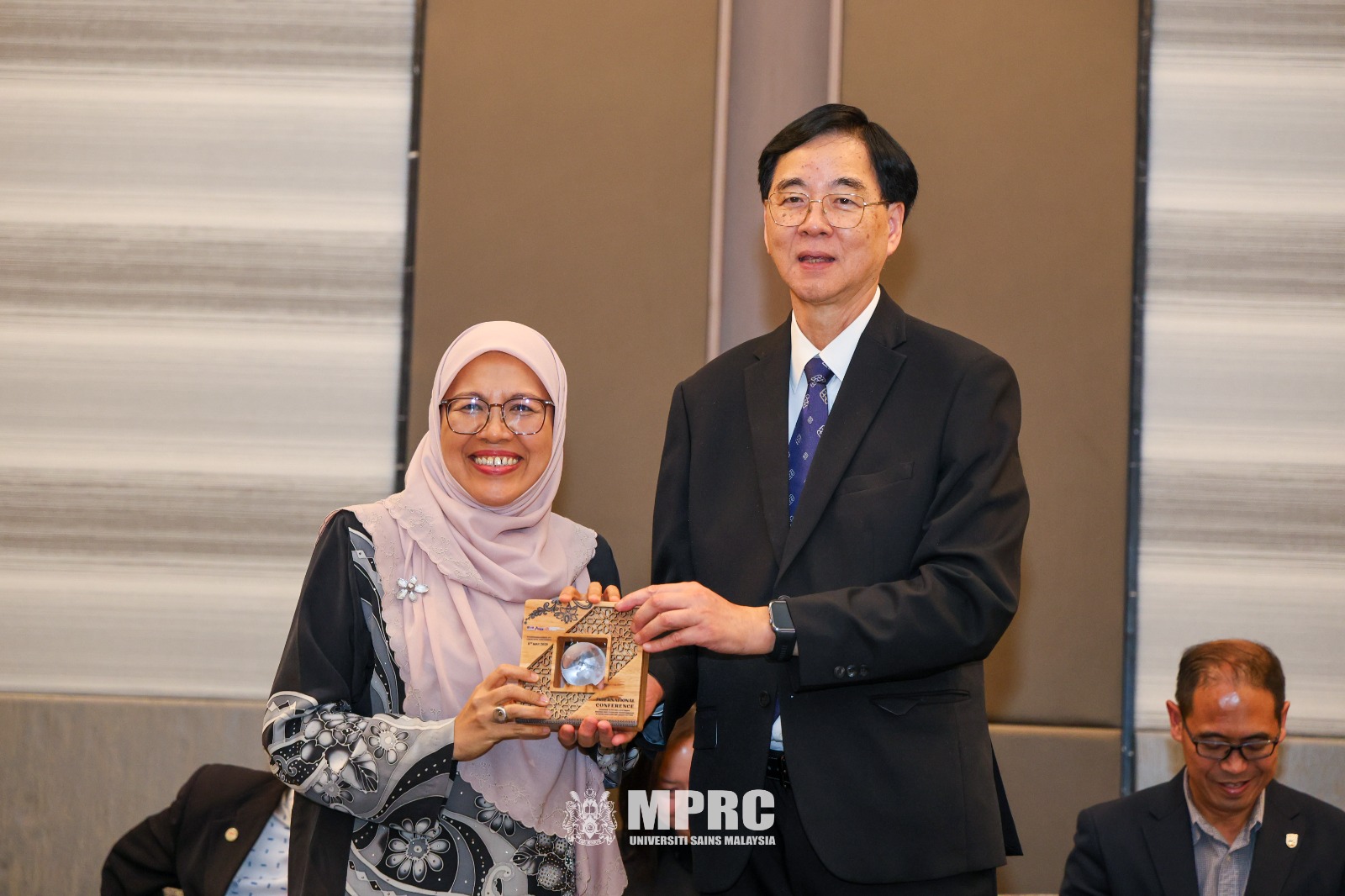
Institutional strategies discussed include the integration of industry input into curriculum design, the expansion of workplace-based learning, and the inclusion of professional certifications alongside academic programmes. These approaches reflect deliberate efforts to bridge the gap between education and employment in rapidly evolving service sectors.
Micro credentials were highlighted as a critical interface between foundational education and specialised, demand driven skills, enabling individuals to remain relevant through continuous upskilling and targeted capability development.
In the healthcare sector, leadership was framed as closely tied to human capability, where service quality depends on the well being, competence, and engagement of the workforce. This highlights the importance of sustained investment in talent development to ensure service excellence in high stakes environments.
Trust emerged as a foundational element of leadership, particularly in sectors such as insurance and takaful, where services are built on promises. In such contexts, trust represents both a core asset and a key vulnerability, requiring leadership to prioritise credibility, accountability and ethical consistency.
As emphasised during the session, trust is not merely an outcome of success but a precondition for it. Leadership is therefore assessed not only by performance but by its ability to consistently safeguard confidence and integrity.
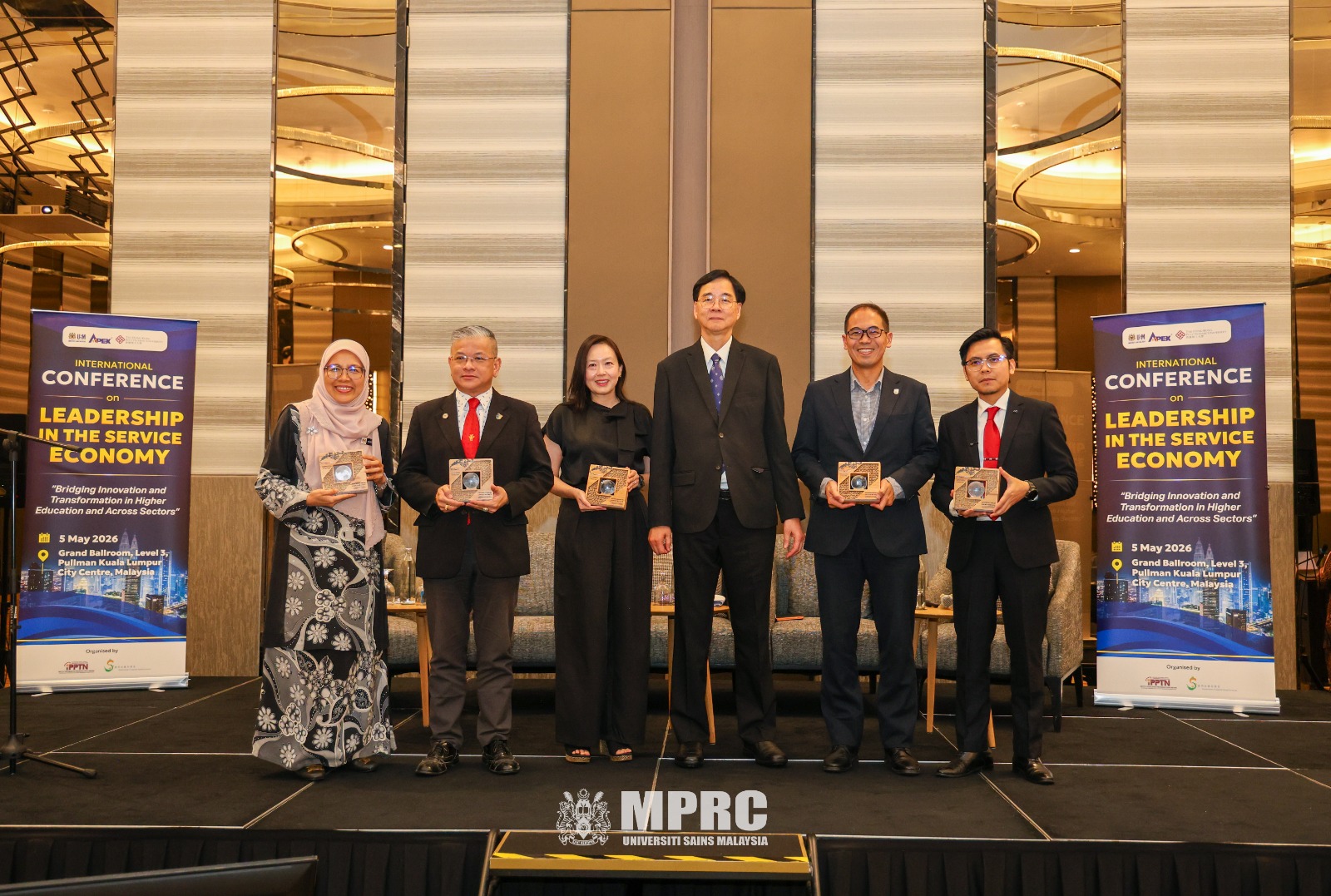
The plenary concluded with an integrated perspective of leadership as a practice that bridges knowledge and application, strategy and ethics and institutional systems with human experience, ensuring organisations remain resilient, responsive and grounded in trust.
Source: National Higher Education Research Institute (IPPTN), USM/Text: PrivinKumar Jayavanan, Media & Public Relations Centre (MPRC), USM/
Editing: Associate Professor Dr. Shaik Abdul Malik Mohamed Ismail, Senior Editorial Consultant@MPRC, USM/Photo: Encik Mohd Fairus Bin Md Isa
- Created on .
- Hits: 475
