LEADERSHIP IN THE SERVICE ECONOMY: REFRAMING VALUE, ETHICS AND KNOWLEDGE
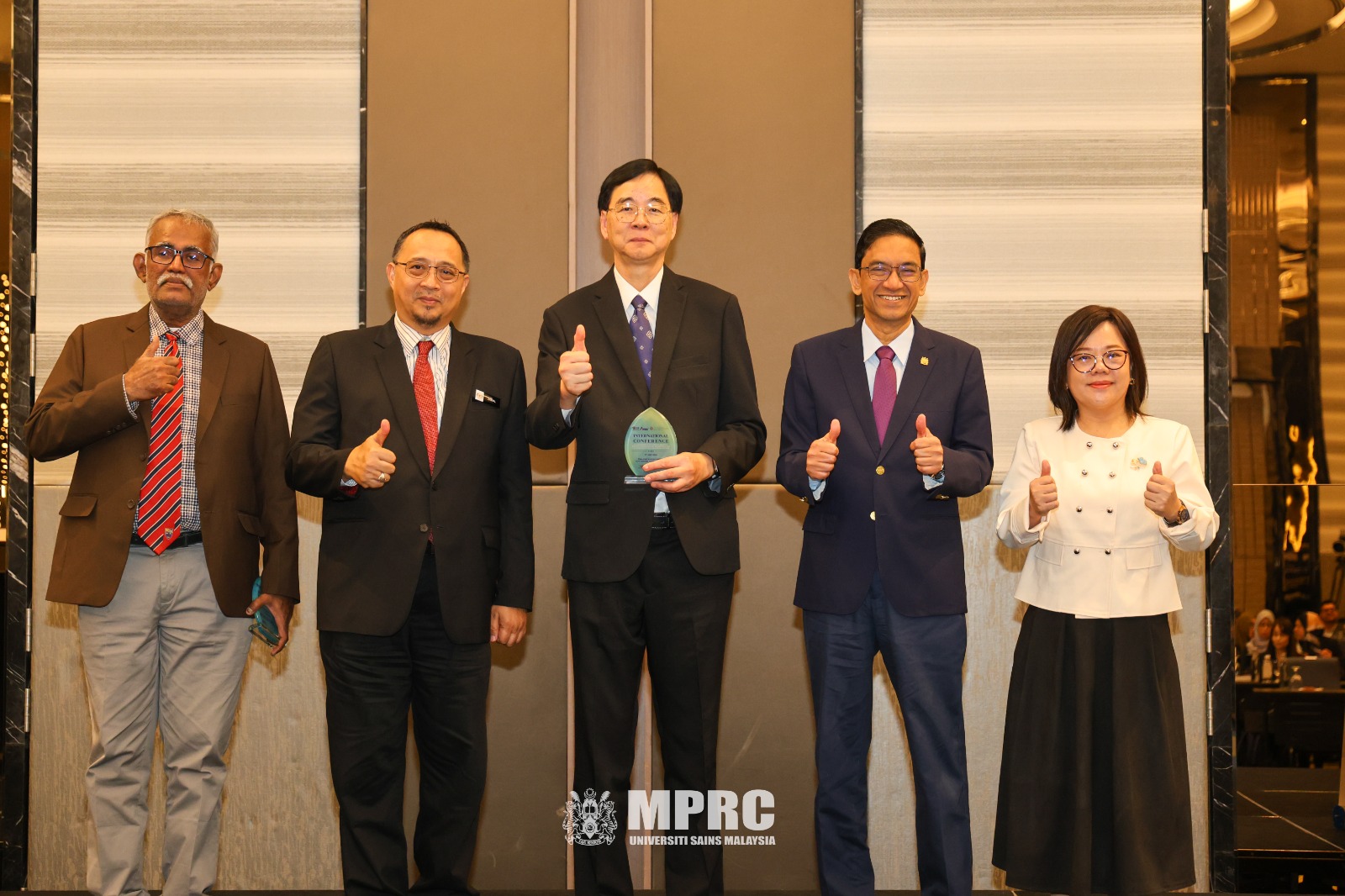
KUALA LUMPUR, 5 May 2026 – Keynote sessions at the International Conference on Leadership in the Service Economy, held at Pullman Kuala Lumpur, highlighted a shift in how leadership must evolve in response to service-driven economies.
Associate Vice President Undergraduate Programme at The Hong Kong Polytechnic University (PolyU), YBrs. Professor Dr. Daniel T. L. Shek, emphasised that the rise of the service economy represents more than a sectoral change. It reflects a transformation in how value is created, shaped increasingly by human interaction and experience. He noted that leadership in this context requires stronger relational capabilities and adaptability, given the less predictable and more people-centred nature of services.
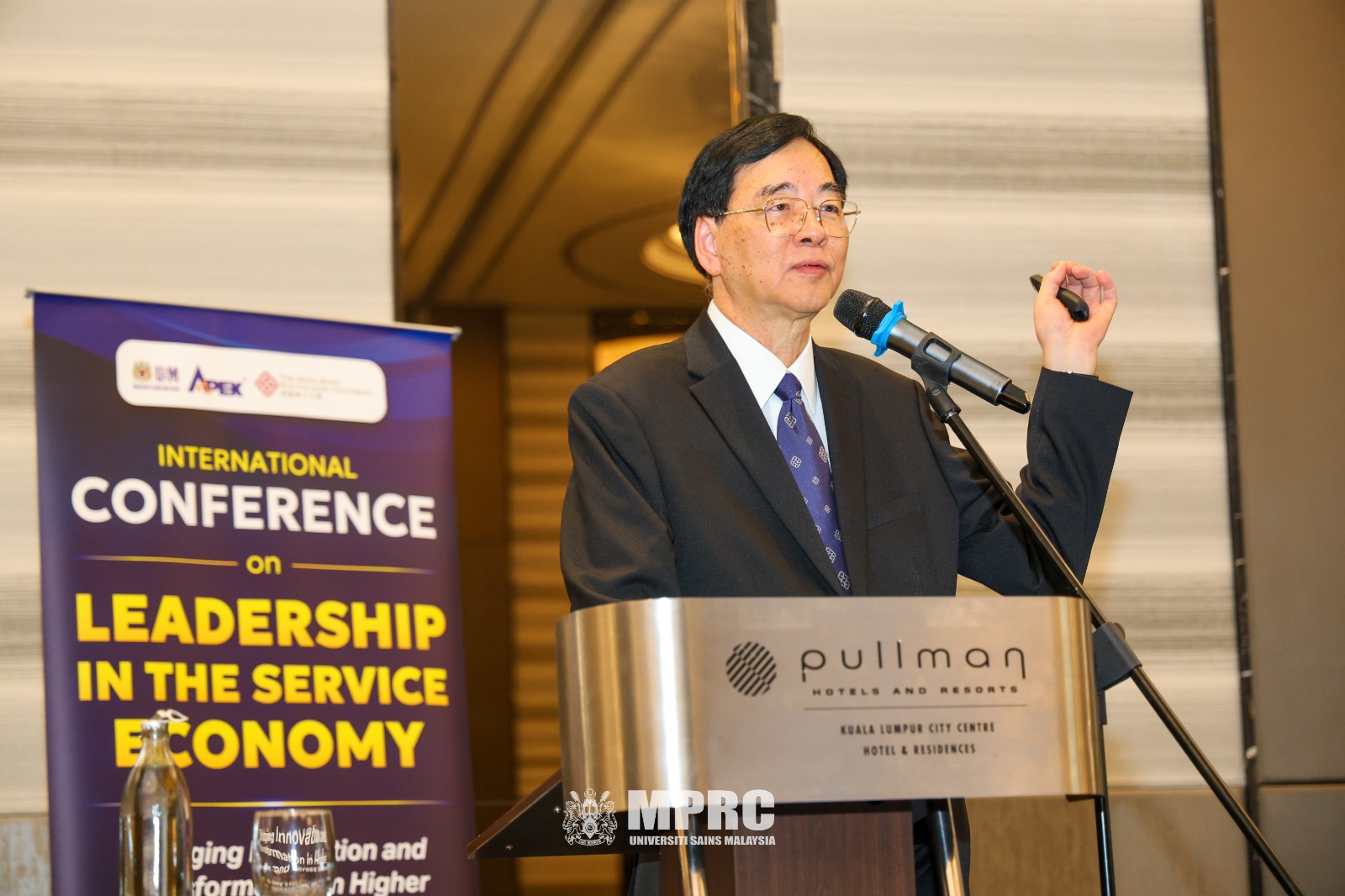
Professor Dr. Daniel T. L. Shek also reframed leadership as a shared responsibility rather than a position of authority. He outlined a model based on competence, care and character, stressing that effective leadership must combine technical ability with emotional awareness and ethical grounding. He cautioned that without character development, institutions risk producing individuals who are capable but lack a sense of responsibility.
Distinguished Professor of Economics at The Asia Europe Institute, University of Malaya, YBhg. Professor Dato’ Dr. Rajah Rasiah, expanded the discussion to the broader economic landscape. He highlighted the long-term shift from agriculture and manufacturing towards services, noting that not all services contribute equally to development. According to him, services driven by knowledge and technology generate higher value, while others risk limiting economic progress.
He further highlighted the importance of knowledge as a public good, calling for stronger focus on access and capacity building and investment in key sectors such as education, healthcare and digital infrastructure. He also pointed to the growing role of technologies including artificial intelligence and connected systems in shaping productivity and learning.
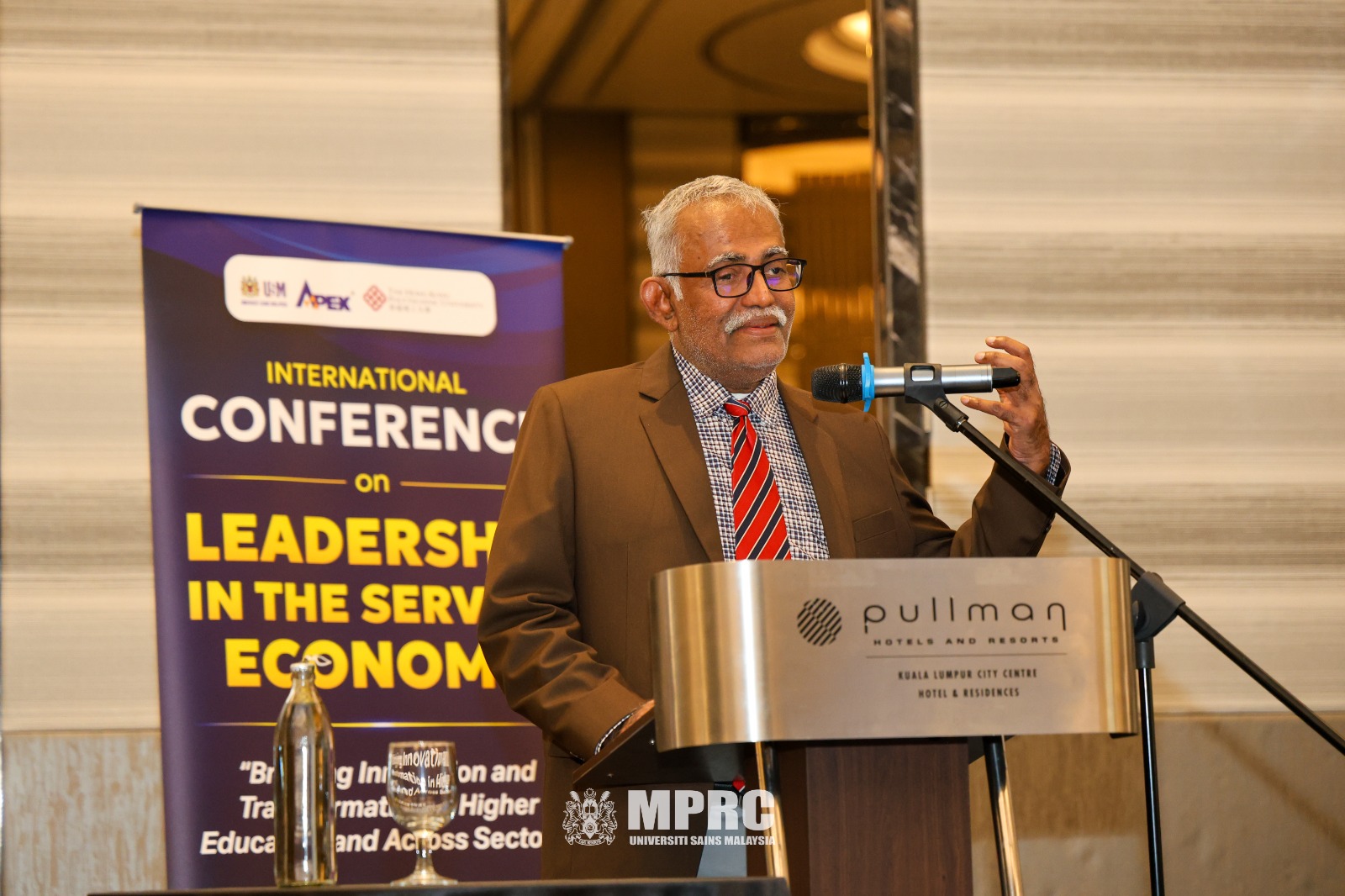
At the same time, Professor Dato' Dr. Rajah Rasiah cautioned that digital advancement must be inclusive. Without equitable access, the expansion of service economies could widen existing gaps rather than reduce them.
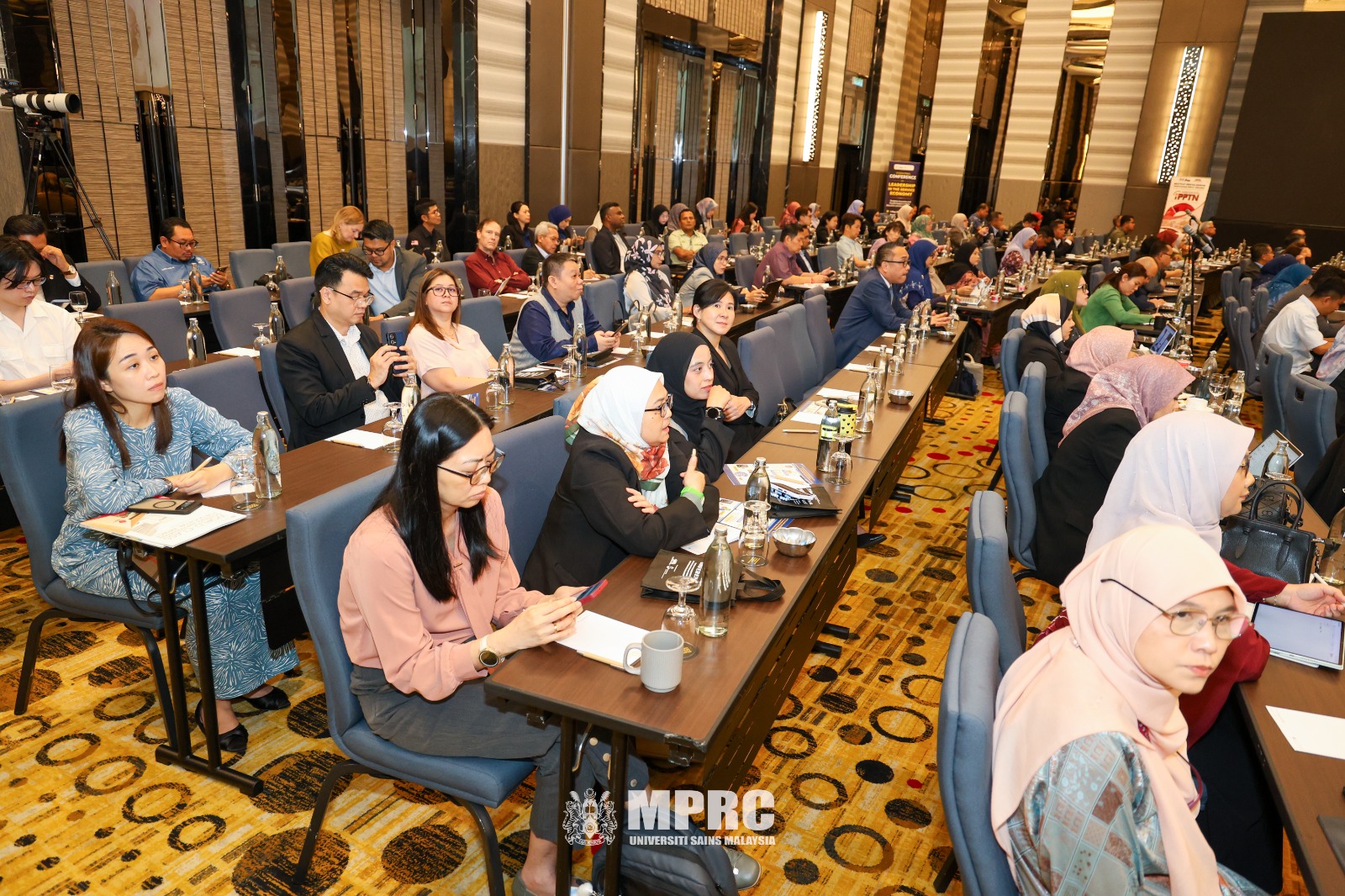
The conference discussions point to a decisive shift in leadership priorities. In service economies, leadership is no longer defined by managing outputs, but by directing how knowledge, relationships and access are shaped and distributed. Speakers made clear that without alignment across ethical judgement, technological capability and institutional direction, growth will remain uneven and exclusionary. When this alignment is achieved, leadership becomes central to converting economic expansion into outcomes that are both inclusive and sustainable.
Source: National Higher Education Research Institute (IPPTN), USM/Text: PrivinKumar Jayavanan, Media & Public Relations Centre (MPRC), USM/
Editing: Associate Professor Dr. Shaik Abdul Malik Mohamed Ismail, Senior Editorial Consultant@MPRC, USM/Photo: Encik Mohd Fairus Bin Md Isa
- Created on .
- Hits: 356
