LEADERSHIP BEYOND SILOS: STRUCTURING THE SERVICE ECONOMY THROUGH THE INTEGRATION OF POLICY, KNOWLEDGE AND PRACTICE
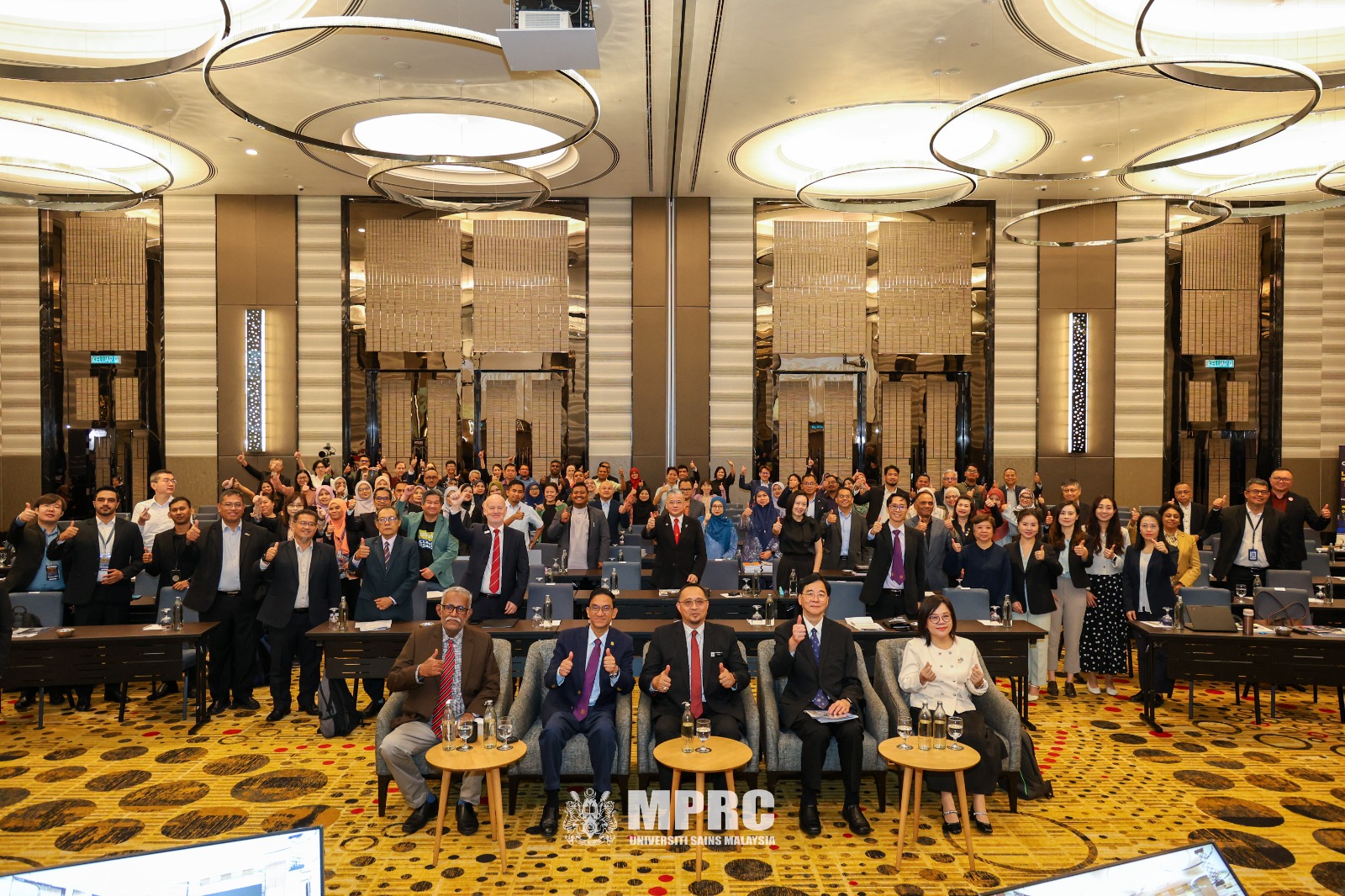
KUALA LUMPUR, 5 May 2026 – The International Conference on Leadership in the Service Economy, convened at the Pullman Kuala Lumpur City Centre, marked a critical juncture in the evolving structure of contemporary economies. Jointly organised by the National Higher Education Research Institute (IPPTN), Universiti Sains Malaysia and the Department of Applied Social Sciences at Hong Kong Polytechnic University, the conference served as a focused intellectual platform aligned with an ongoing research trajectory on service leadership, supported by the Li and Fung Endowed Professorship.
With approximately 200 participants spanning higher education, government and industry, the composition of the conference reflected a central proposition: leadership within the service economy is constituted across interconnected systems rather than bounded institutional domains. The presence of stakeholders from healthcare, logistics, finance and policy institutions reflects a shift toward integrated, cross-domain engagement.
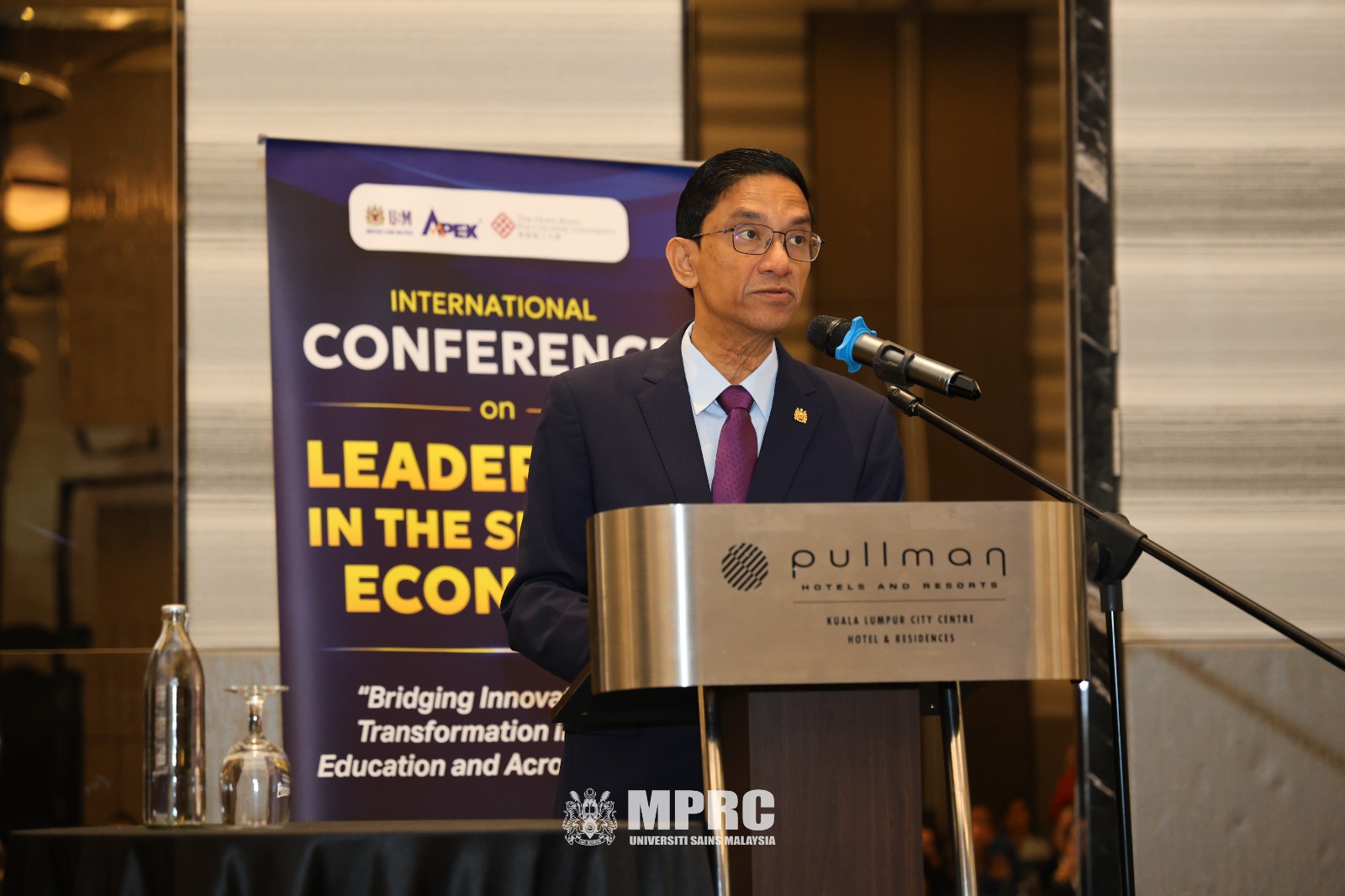
The opening address by the Vice-Chancellor of Universiti Sains Malaysia, Professor Dato’ Seri Ir. Dr. Abdul Rahman Mohamed, advanced a clear articulation of higher education’s evolving role. Universities were presented as drivers of knowledge creation, talent development and societal advancement, generating the intellectual, ethical and adaptive capacities essential to contemporary economic systems. Within this perspective, leadership is defined by its capacity to shape direction, cultivate innovation and translate knowledge into sustained societal value across institutional and sectoral contexts.
In articulating this perspective, Professor Dato’ Seri Ir. Dr. Abdul Rahman Mohamed emphasised, “The service economy does not simply demand skilled graduates; it demands institutions that can anticipate the moral and intellectual consequences of the knowledge they produce and leadership that can translate that awareness into systems that endure beyond immediate outcomes.” This positions leadership within a continuum of responsibility grounded in foresight and long-term societal relevance.
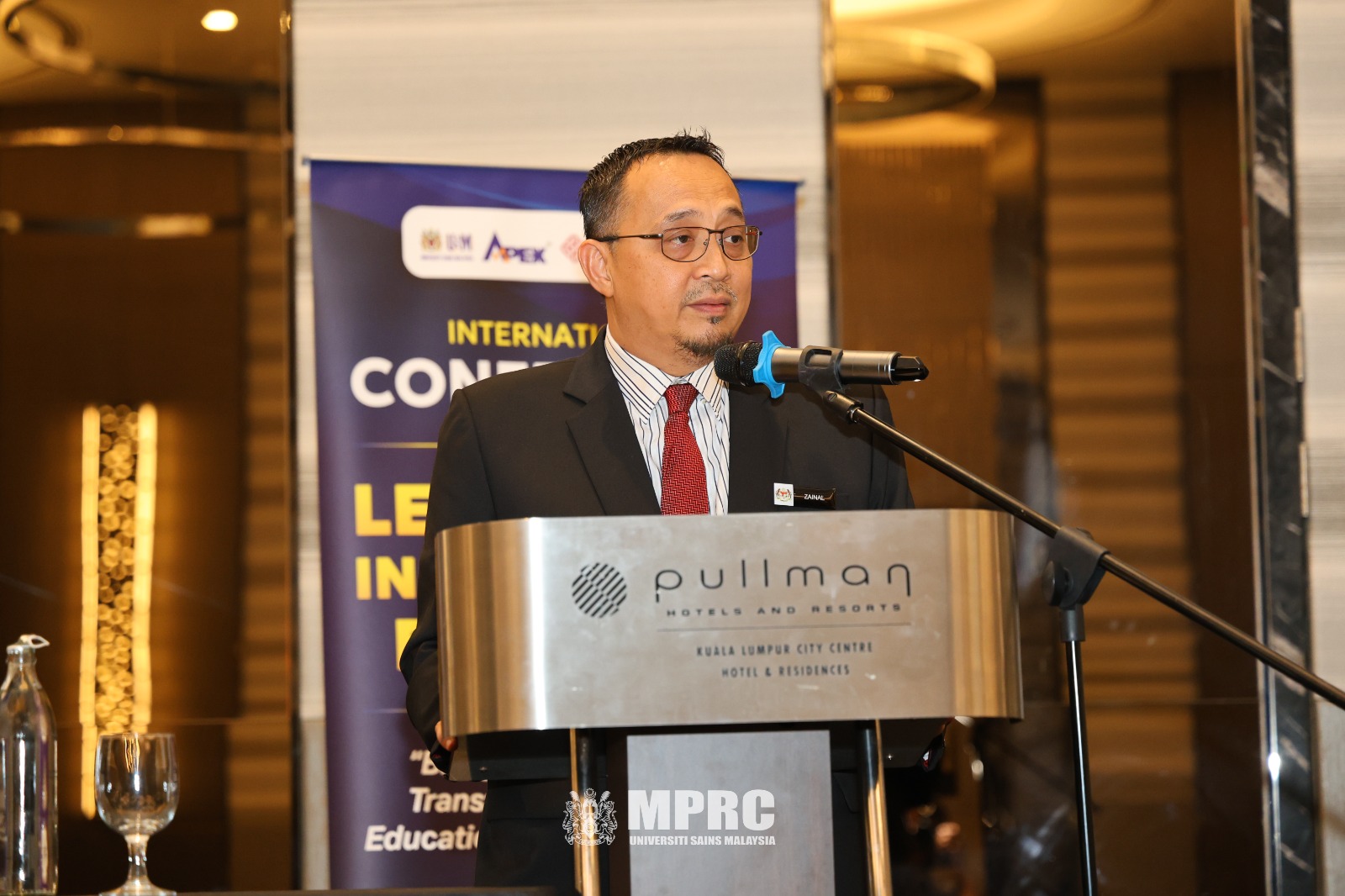
The officiating address, delivered by Professor Dr. Zainal Amin Ayub on behalf of the Director General of Higher Education, situated the conference within Malaysia’s policy landscape, particularly the Thirteenth Malaysia Plan (RMK-13) and the Ekonomi MADANI framework. Leadership was framed as an integrative capability, aligning technological advancement with inclusivity and economic progress with institutional trust.
The conference structure reflected this multidimensional approach. Keynote sessions bridged conceptual and empirical perspectives, with Professor Daniel T. L. Shek advancing the theoretical foundations of service leadership, while distinguished Professor Dato’ Dr. Rajah Rasiah offered a structural analysis of the service sector within broader patterns of economic development. This pairing balanced conceptual framing with structural analysis.
Plenary discussions extended these ideas into applied domains. Deliberations on frontier technologies addressed the role of digital infrastructures, artificial intelligence and data-driven systems in shaping leadership practice. Discussions on talent sustainability focused on aligning organisational strategy with workforce development across evolving service industries.
Case-based sessions explored service leadership through experiential and practice-oriented models. These sessions highlighted the importance of grounding leadership development in real-world contexts, where theory and application intersect.
Taken together, the conference advances an understanding of leadership within the service economy as a systemic capability emerging from the interaction of policy frameworks, educational systems, technological infrastructures and industry practices. Its significance lies in its structure as a platform for research, policy alignment, cross-sector participation and international collaboration.
Collectively, the conference establishes higher education as a central force in shaping the direction of service-oriented economies, while advancing the discourse on how leadership can be defined and operationalised within complex and interconnected systems.
Source: National Higher Education Research Institute (IPPTN), USM/Text: PrivinKumar Jayavanan, Media & Public Relations Centre (MPRC), USM/
Editing: Associate Professor Dr. Shaik Abdul Malik Mohamed Ismail, Senior Editorial Consultant@MPRC, USM/Photo: Encik Mohd Fairus Bin Md Isa
- Created on .
- Hits: 685
