INTERNATIONAL WORKSHOP IN PAPUA HIGHLIGHTS ADVANCES IN SUSTAINABLE BIVALVE AQUACULTURE
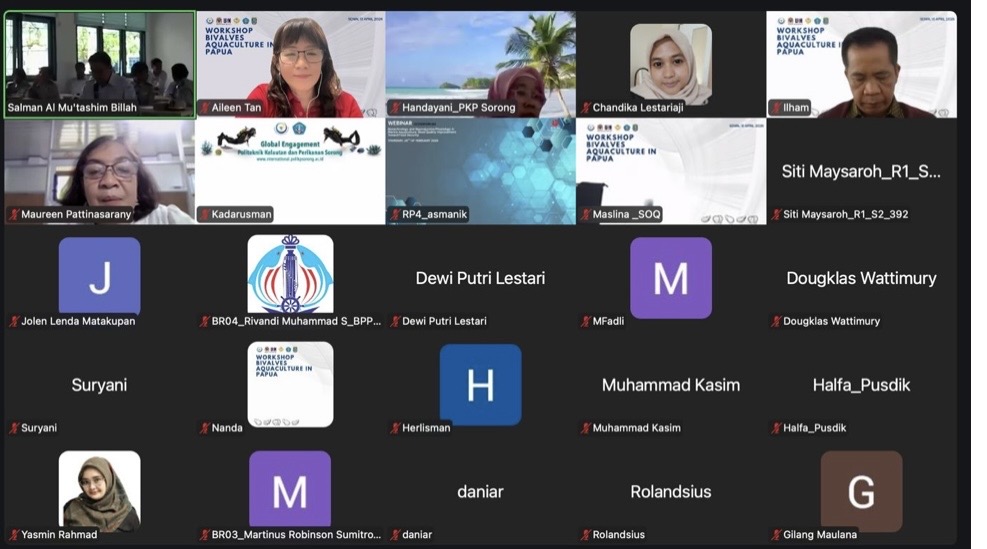
USM PENANG, 30 April 2026 – Universiti Sains Malaysia (USM), through its Centre for Marine and Coastal Studies (CEMACS), continues to contribute to regional knowledge exchange in sustainable aquaculture with the participation of its marine expert in an international workshop held in Papua, Indonesia.
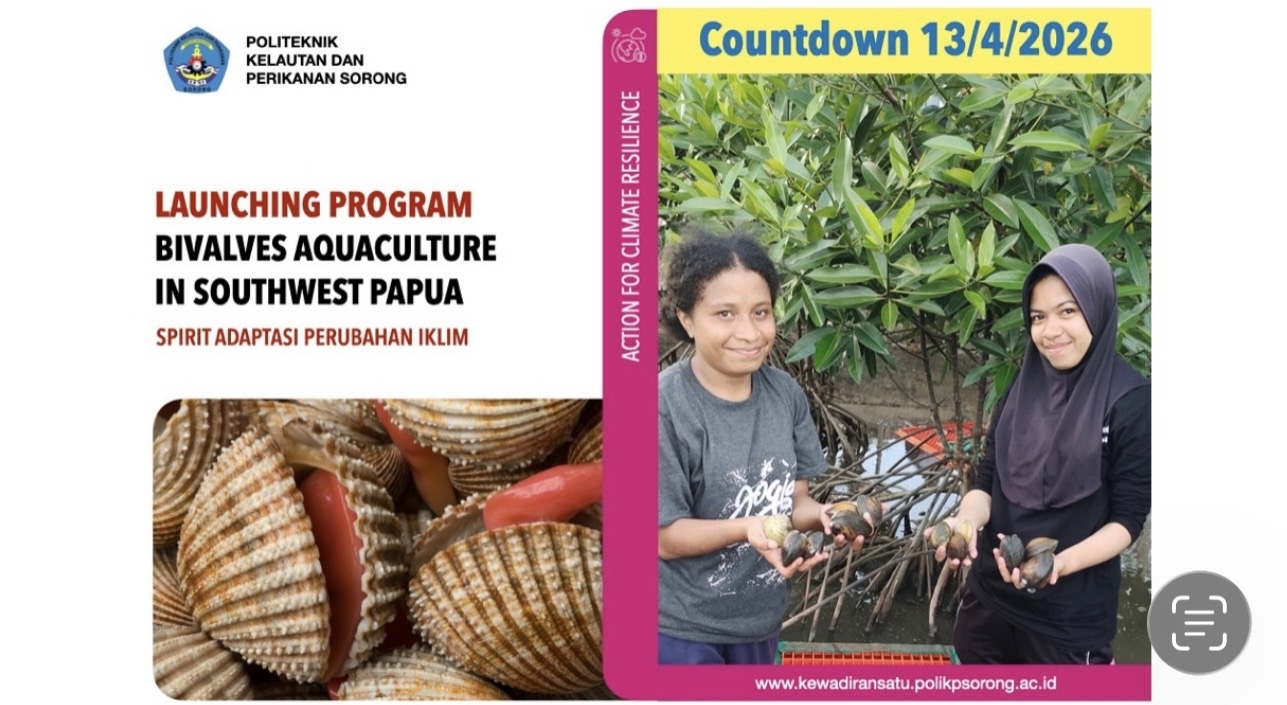
Honorary Professor at CEMACS, Dato’ Dr. Aileen Tan Shau Hwai, was invited as a keynote speaker for the workshop titled ‘Bivalve Aquaculture in Papua,’ organised by the Sorong Technical University of Fisheries under the Ministry of Marine Affairs and Fisheries, Indonesia.
The workshop, conducted virtually on 13 April 2026, brought together researchers, practitioners, and policymakers to discuss the role of bivalve aquaculture in supporting climate change adaptation, food security, and sustainable coastal development.
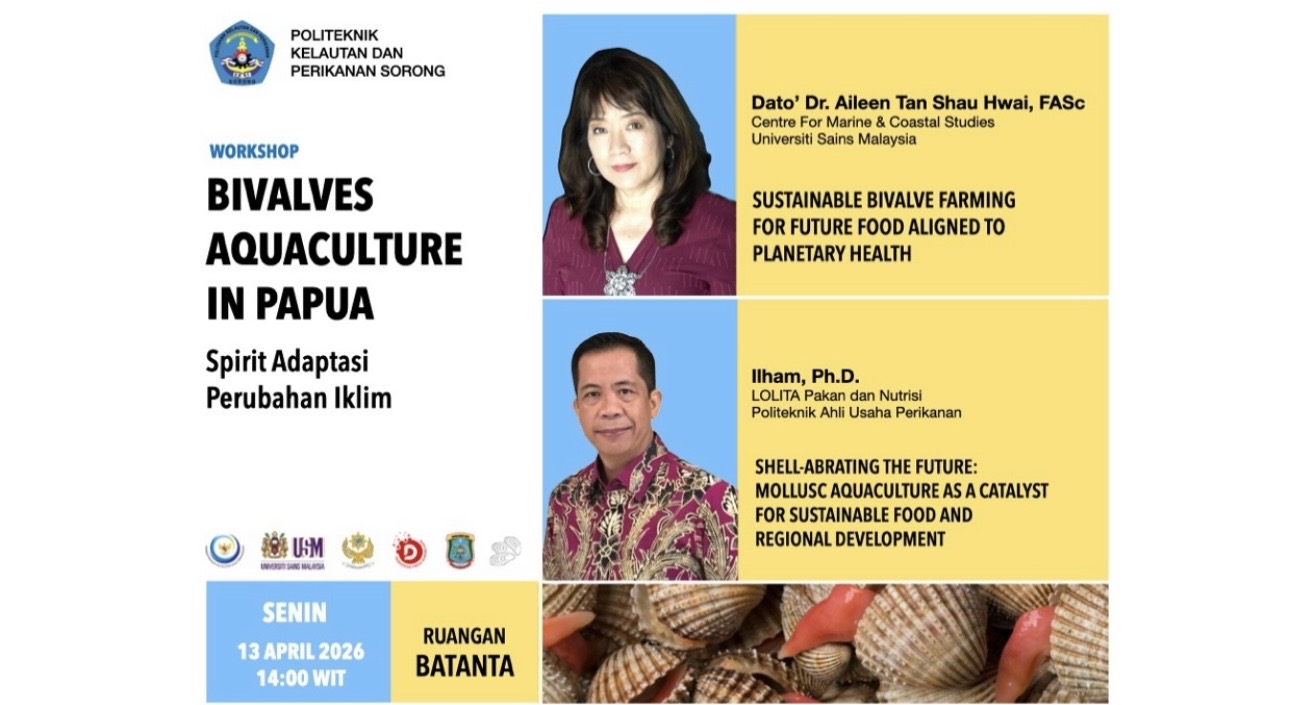
In her keynote presentation, 'Sustainable Bivalve Farming for Future Food Aligned to Planetary Health,' Aileen highlighted the importance of non-feed aquaculture systems in addressing global sustainability challenges.
She explained that bivalves such as oysters, mussels, clams, and cockles are environmentally friendly as they do not require external feed inputs, resulting in lower production costs and reduced ecological impact.
Their natural filtration function also contributes to improving water quality and maintaining healthy coastal ecosystems.
Drawing from Malaysia’s experience, Aileen shared insights into the development of mollusc aquaculture and its potential to support coastal livelihoods and strengthen food systems.
She also addressed key challenges faced by the industry, including environmental stress, disease risks, and the need for reliable seed supply, while emphasising the importance of research and innovation.
The presentation also highlighted USM’s involvement in international research initiatives such as the UKRI-BBSRC funded WAVES Project, which focuses on developing climate-resilient mollusc aquaculture systems across Southeast Asia.
The project examines environmental factors such as temperature and salinity and their impacts on bivalve growth, health, and safety.
In addition, Aileen shared perspectives from the CAINA (Climate-Adaptive, Inclusive, Nature-based Aquaculture) project, which promotes inclusive and nature-based aquaculture approaches to enhance community resilience and support sustainable livelihoods in coastal areas.
According to the official invitation, Papua is currently exploring the cultivation of mangrove clams and blood cockles as part of its strategy to diversify aquaculture practices.
These species are well suited for sustainable farming due to their low energy requirements and adaptability to changing environmental conditions, offering promising opportunities for local food security and economic development.
The workshop served as a platform for strengthening regional collaboration and knowledge sharing in sustainable aquaculture, in line with broader efforts to address climate change and food security challenges.
USM’s participation in this initiative reflects its continued commitment to advancing science-based solutions and fostering partnerships that support sustainable marine resource management across the region.
Source Text & Photo: Dato’ Dr. Aileen Tan Shau Hwai, Centre for Marine and Coastal Studies (CEMACS), USM
- Created on .
- Hits: 240
