DRIVING SUSTAINABLE AQUACULTURE SOLUTIONS THROUGH REGIONAL RESEARCH COLLABORATION
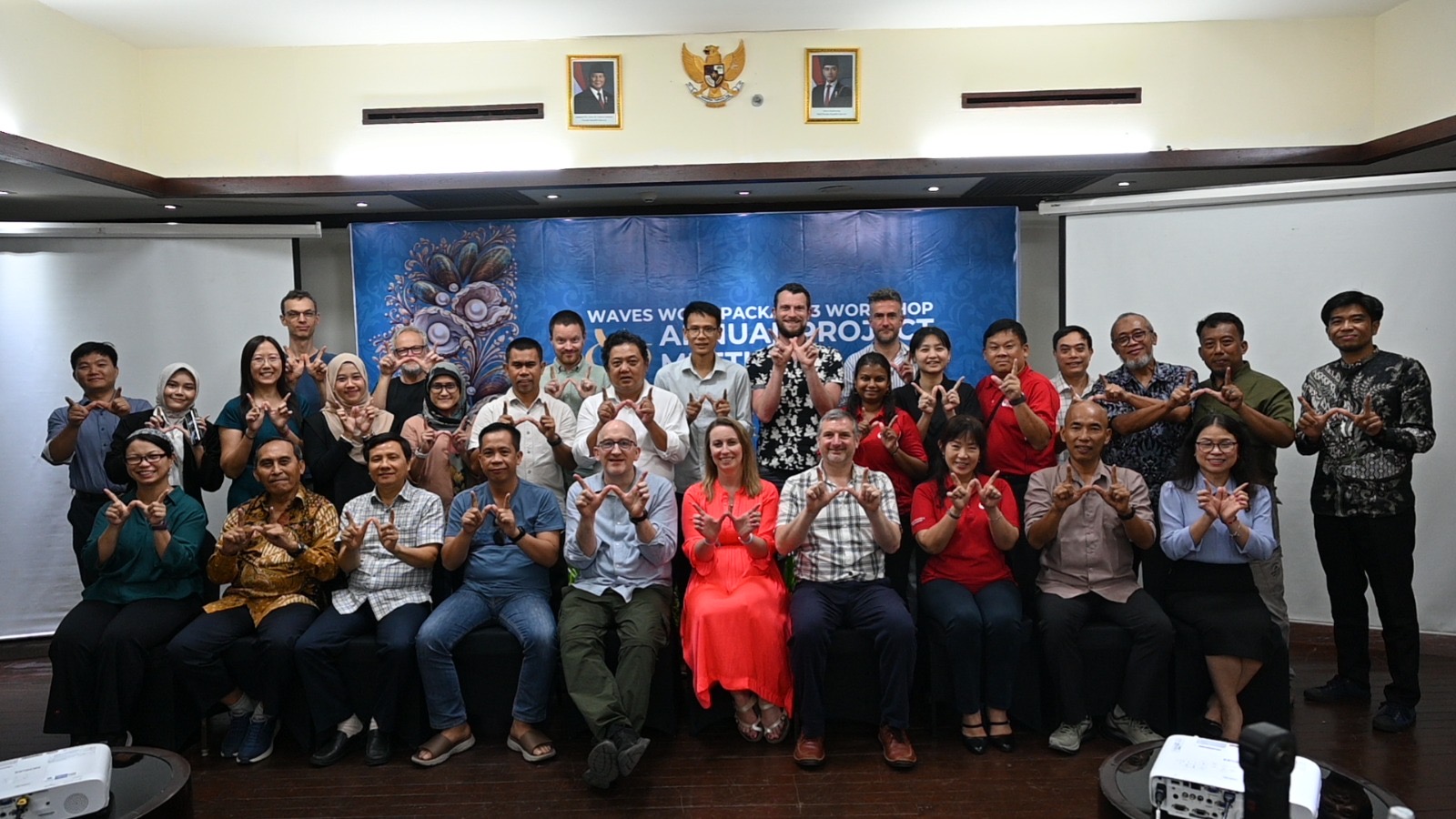
USM PENANG, 30 April 2026 – Universiti Sains Malaysia (USM) participated in advancing regional collaboration in marine science and sustainable aquaculture at the UKRI WAVES Annual Scientific Meeting 2026, held from 22 to 24 April 2026 at Novotel Lombok, Indonesia.
The meeting brought together researchers, policymakers, and project partners from Southeast Asia and the United Kingdom to strengthen cooperation and develop science-based solutions for resilient and climate-adaptive mollusc aquaculture systems.
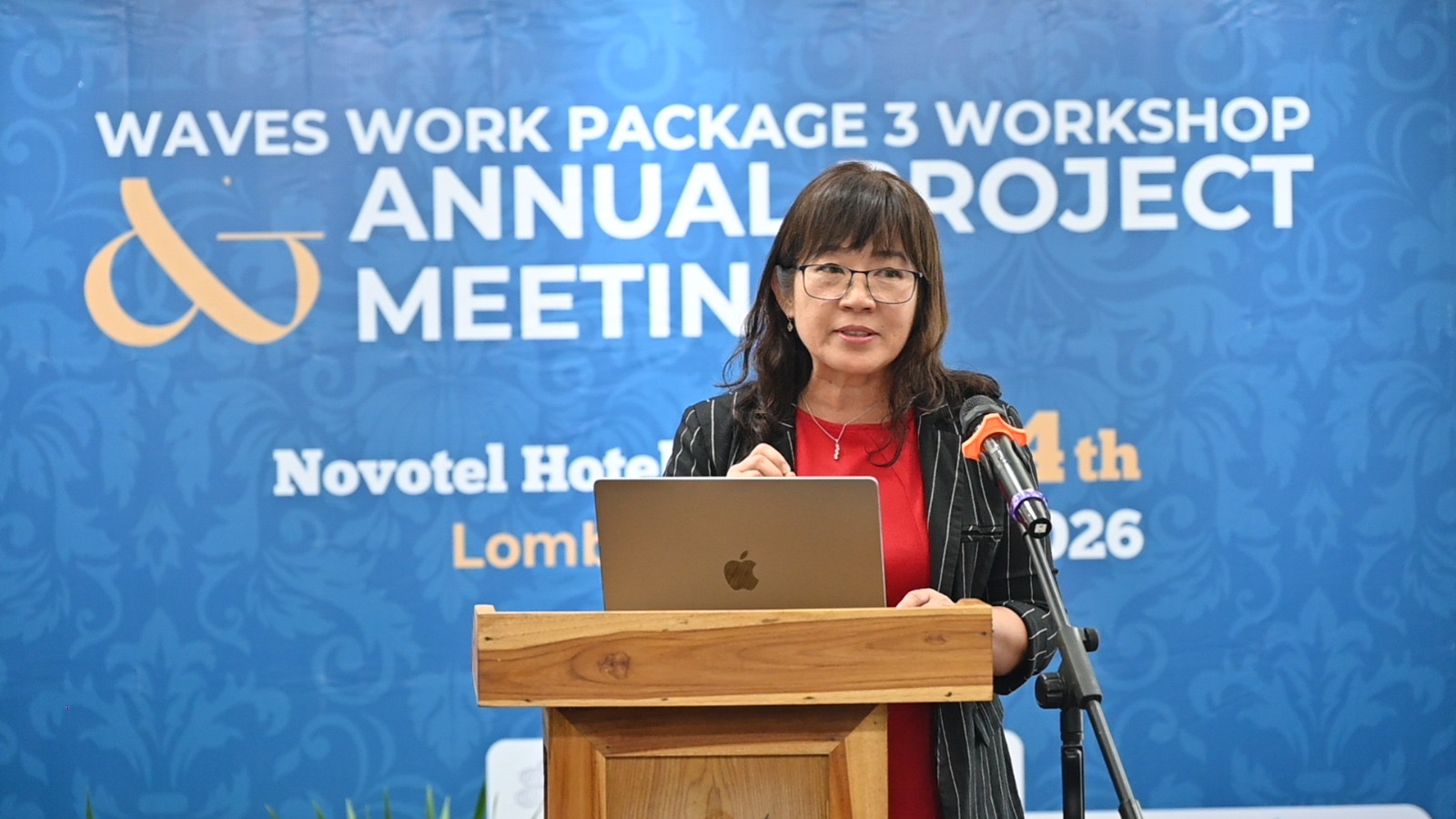
Malaysia was represented through USM with participation from the WAVES project team comprising Dato’ Dr. Aileen Tan Shau Hwai, Associate Professor Dr. Sazlina Salleh, Dr. Annette Jaya Ram, and Sim Yee Kwang.
Their involvement reflects Malaysia’s ongoing contribution to regional efforts in strengthening sustainable aquaculture development.
A key highlight of the meeting was the presentation on “Mollusc Aquaculture in Malaysia: Trends and Updates 2025/2026,” which outlined the country’s current progress, emerging challenges, and future direction in developing a more resilient aquaculture sector.
The session provided an important platform for sharing Malaysia’s experience and aligning strategies with regional partners.
Malaysia also contributed to Work Package 4 (WP4): Bioscience of Production, focusing on developing evidence-based approaches to improve the resilience, food safety, and production quality of molluscs across Southeast Asia.
The research covers key areas such as environmental stress response, hatchery and natural seed performance, disease screening and environmental drivers influencing aquaculture productivity.
Field-based studies conducted in Langkawi (Kubang Badak) and Penang (Batu Maung) have demonstrated that hatchery-produced oyster seeds show improved growth performance, higher survival rates, and greater consistency compared to wild seeds.
These findings provide practical insights for strengthening aquaculture practices while supporting industry sustainability.
Beyond research outcomes, the work contributes to broader socio-economic and environmental goals, including enhancing livelihood opportunities for coastal communities, supporting B40 income generation, and promoting environmentally responsible aquaculture practices.
These efforts are aligned with Malaysia’s Blue Economy agenda, National Agro-Food Policy and global sustainability priorities, particularly in addressing food security and environmental resilience.
As pressures on capture fisheries continue to increase, sustainable aquaculture, especially bivalve farming, offers a viable, low-impact solution that also delivers ecosystem benefits.
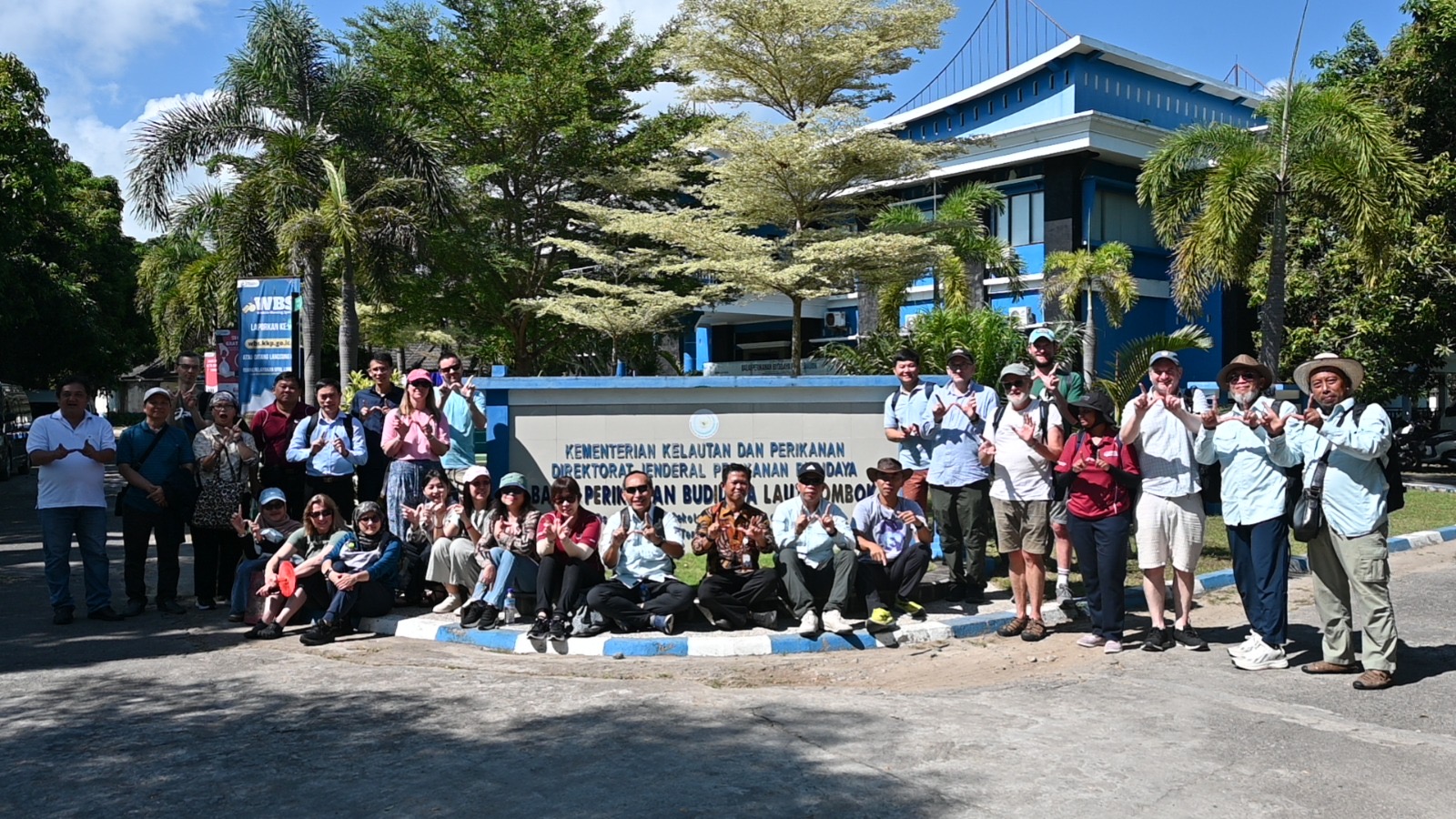
The meeting also reinforced collaboration between Malaysia and regional partners, including WorldFish as a key Malaysian-based partner, alongside institutions such as the University of Southampton, Can Tho University, and organisations across Indonesia and Vietnam.
This collaborative network continues to support knowledge exchange, capacity building, and the co-development of solutions for sustainable aquaculture.
Moving forward, the outcomes of the WAVES Annual Scientific Meeting 2026 will guide future research priorities, strengthen cross-country collaboration, and support the implementation of adaptive strategies for aquaculture development in Southeast Asia.
Through continued participation in regional initiatives such as WAVES, Malaysia remains committed to advancing science-based solutions that support sustainable aquaculture, community resilience, and long-term environmental stewardship.
Text: Dato’ Dr. Aileen Tan Shau Hwai, Centre for Marine and Coastal Studies (CEMACS), USM/Photo: Sim Yee Kwang, Centre for Marine and Coastal Studies (CEMACS), USM
- Created on .
- Hits: 392
