USM STRENGTHENS COMMITMENT TO YOUTH-LED DIGITAL STORYTELLING FOR BIODIVERSITY AND NATURAL HERITAGE PRESERVATION
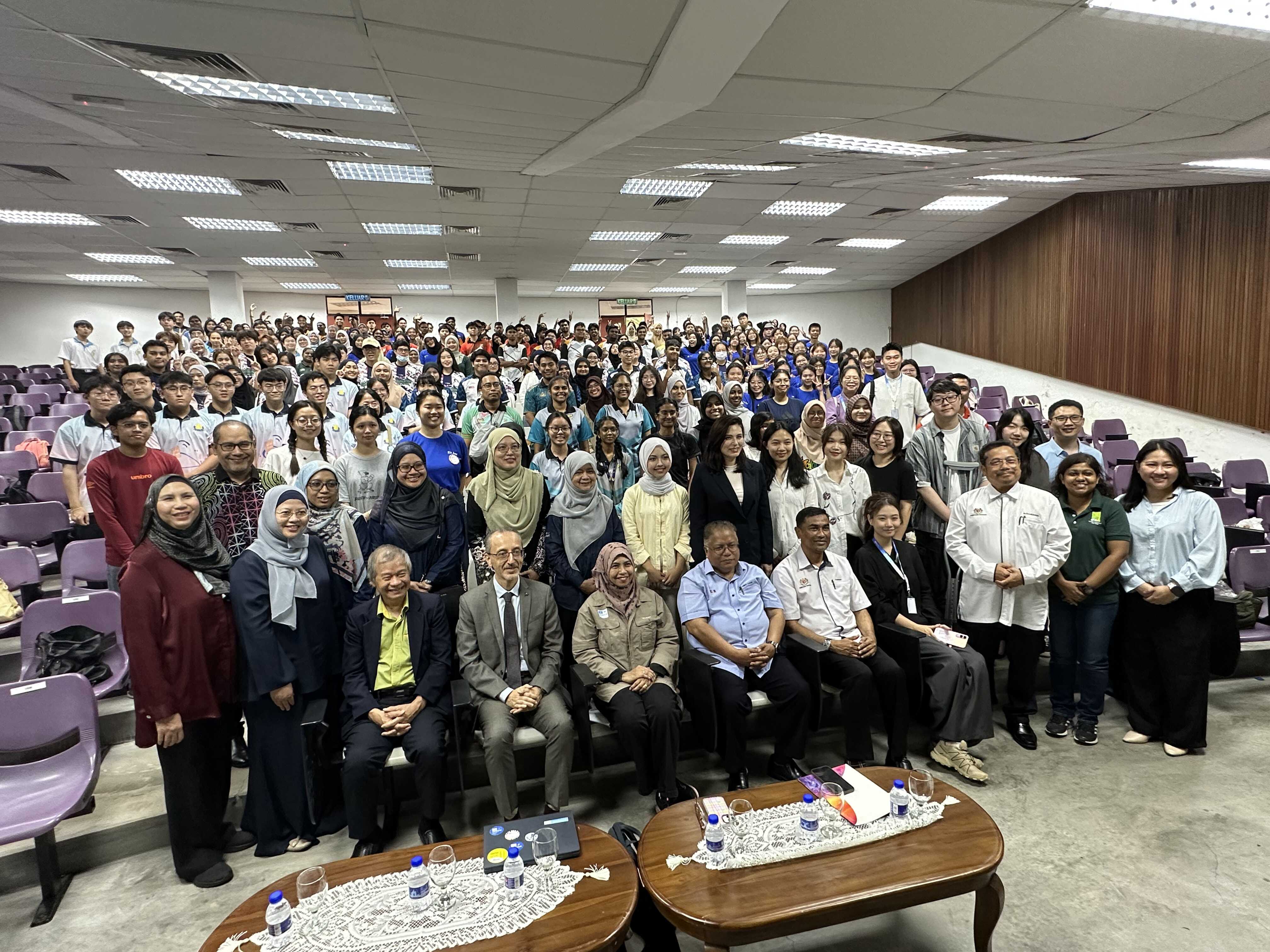
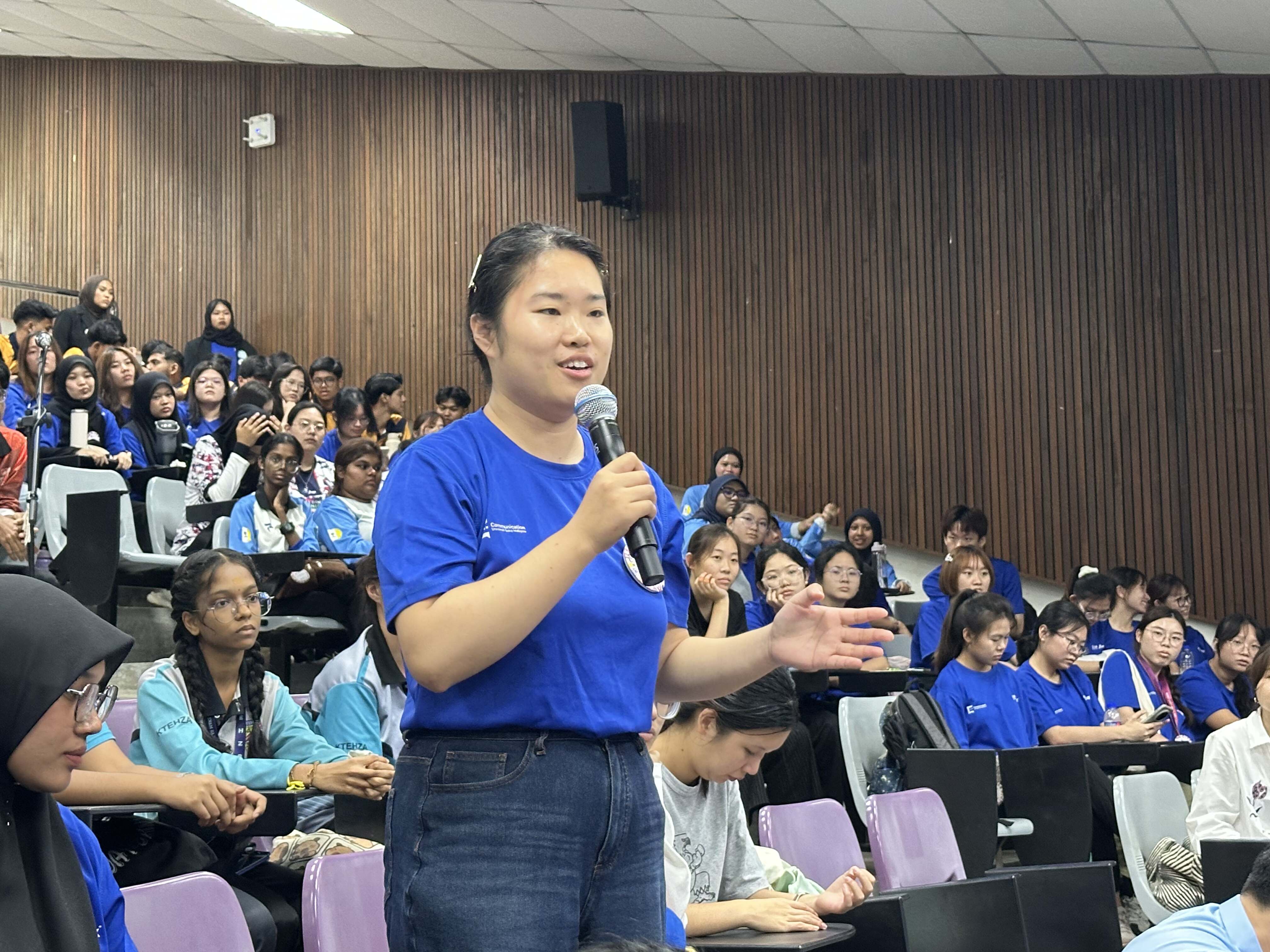
PENANG, 25 April 2026 – Universiti Sains Malaysia (USM), through its participation in the 'Capture the Future: Global Youth Storytelling Initiative for People and Culture' workshop held on 25 and 26 April 2026, positioned youth-led digital storytelling as a strategic epistemological instrument in confronting the contemporary crises of biodiversity erosion, cultural fragmentation and algorithm-driven information saturation.
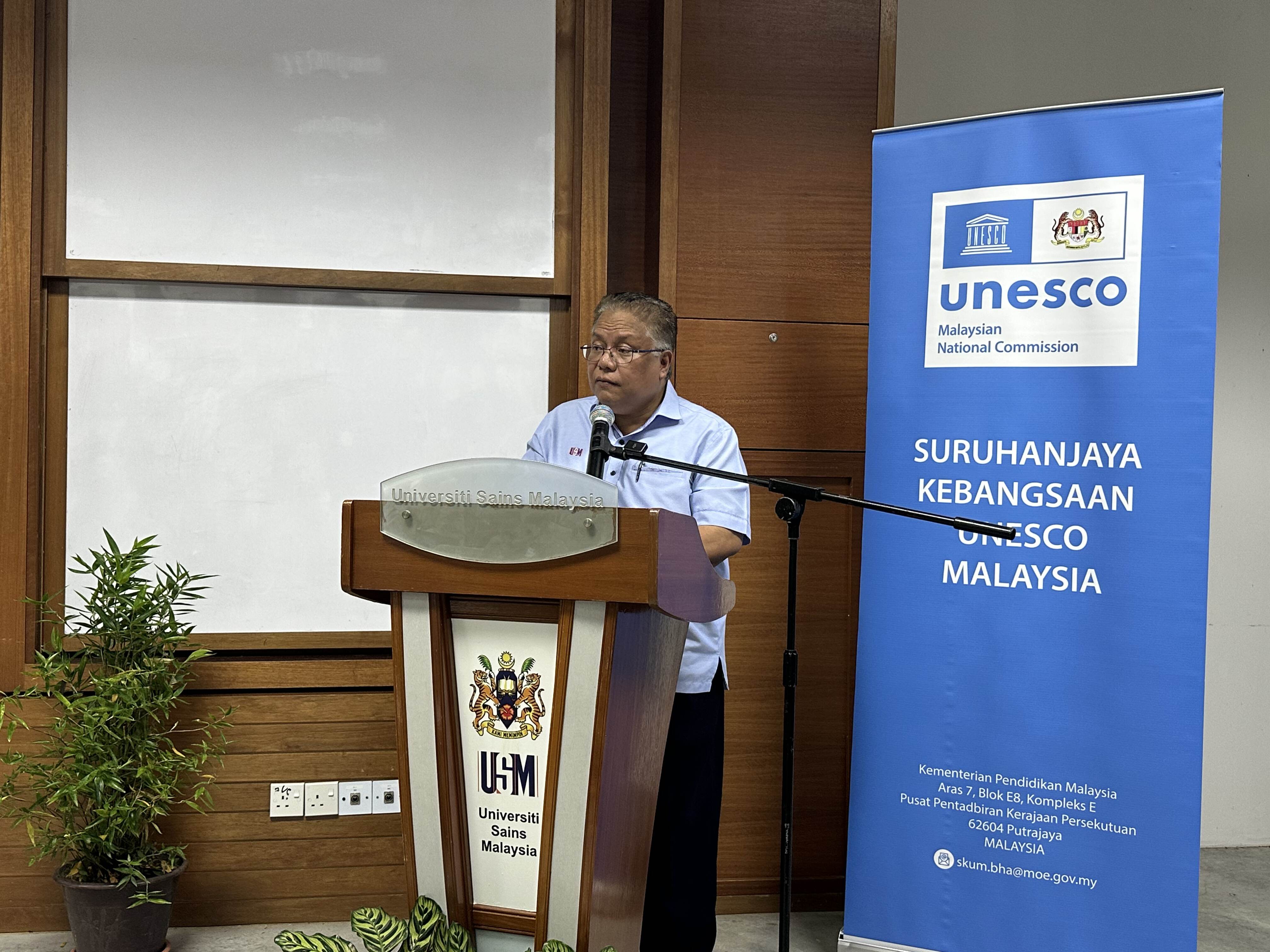
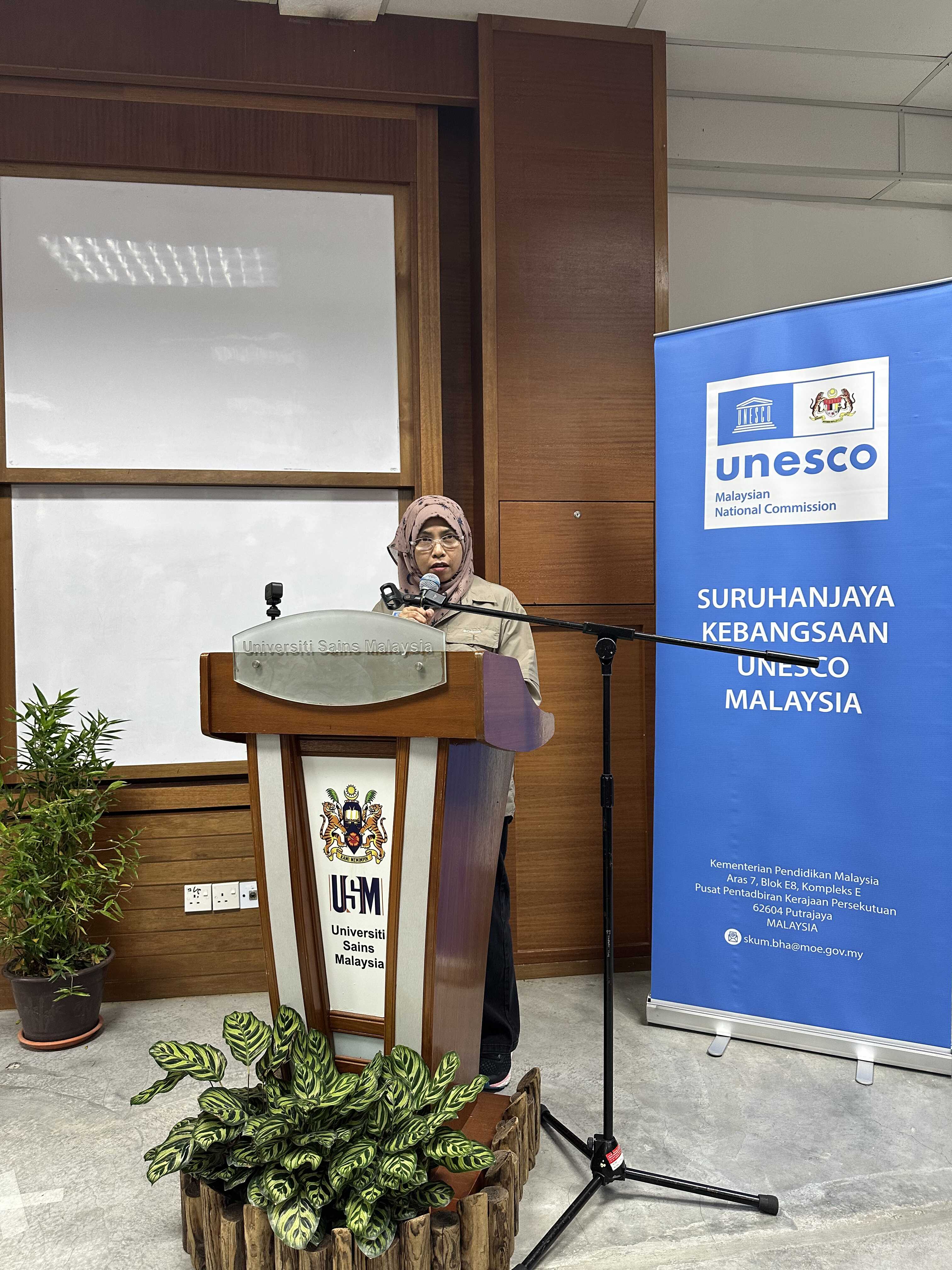
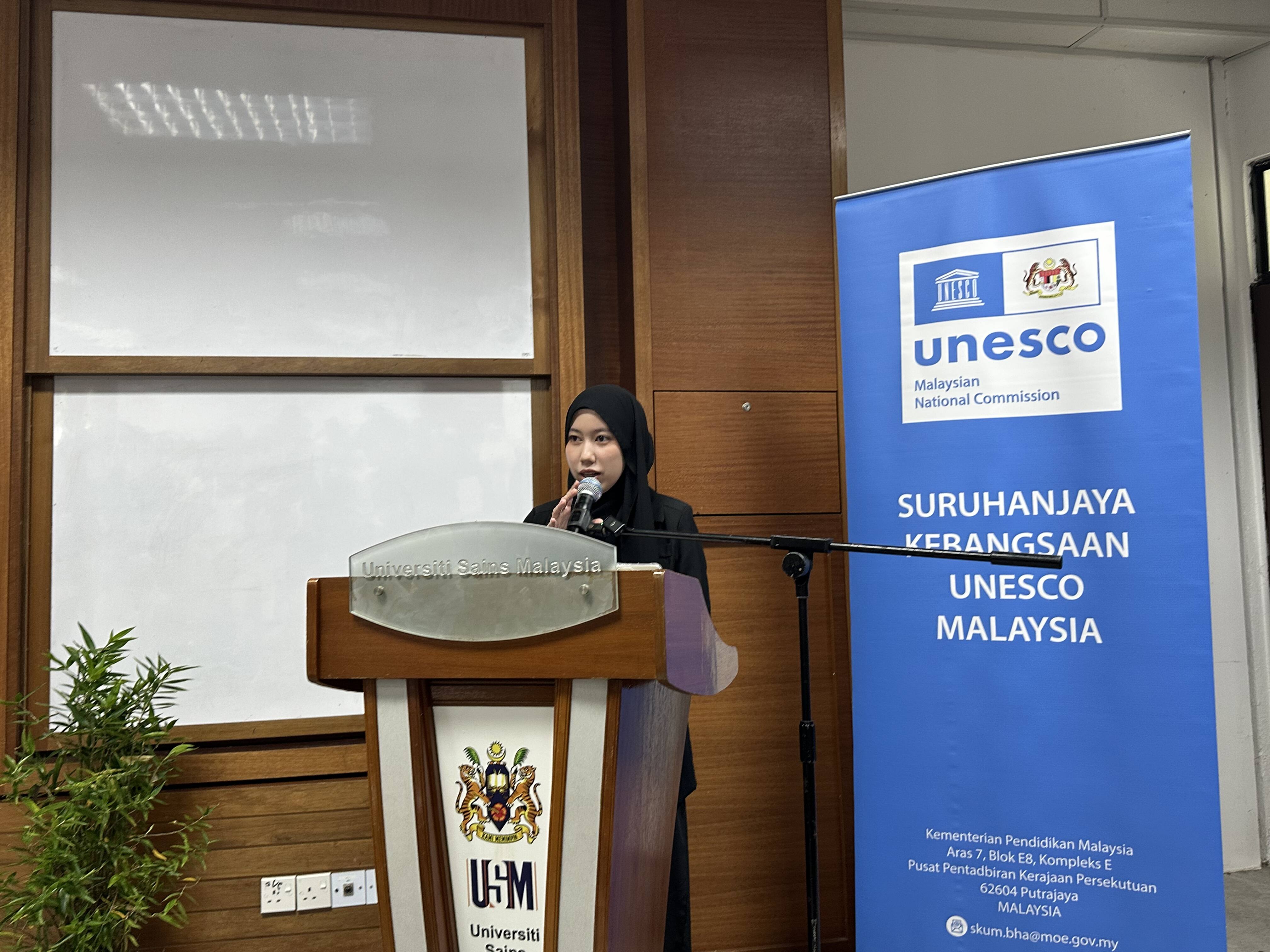
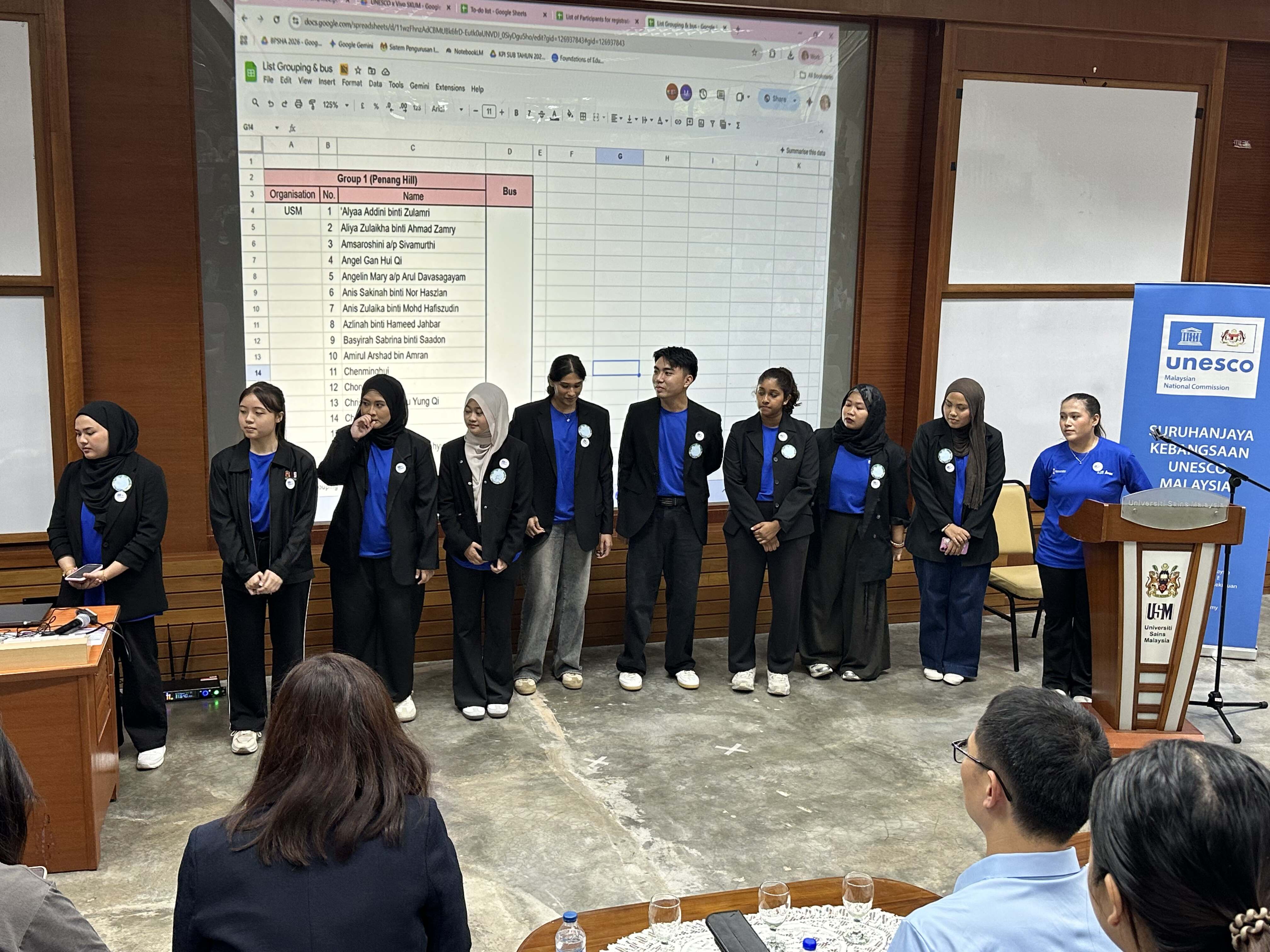
Organised collaboratively by the Malaysian National Commission for UNESCO (MNCU), Penang Hill Corporation (PHC) and USM with UNESCO support, the initiative assembled academicians, communication practitioners, environmental advocates and young digital creators to integrate the evolving relationship between media production, ecological consciousness and cultural sustainability within an increasingly digitised civilisational landscape.
The programme reflected a growing international recognition that environmental preservation today depends not solely on scientific intervention, but equally on narrative legitimacy and communicative influence.
As increasingly observed in UNESCO and UNEP sustainability frameworks, biodiversity conservation efforts frequently fail when ecological knowledge remains institutionally confined rather than socially translated into emotionally intelligible public narratives.
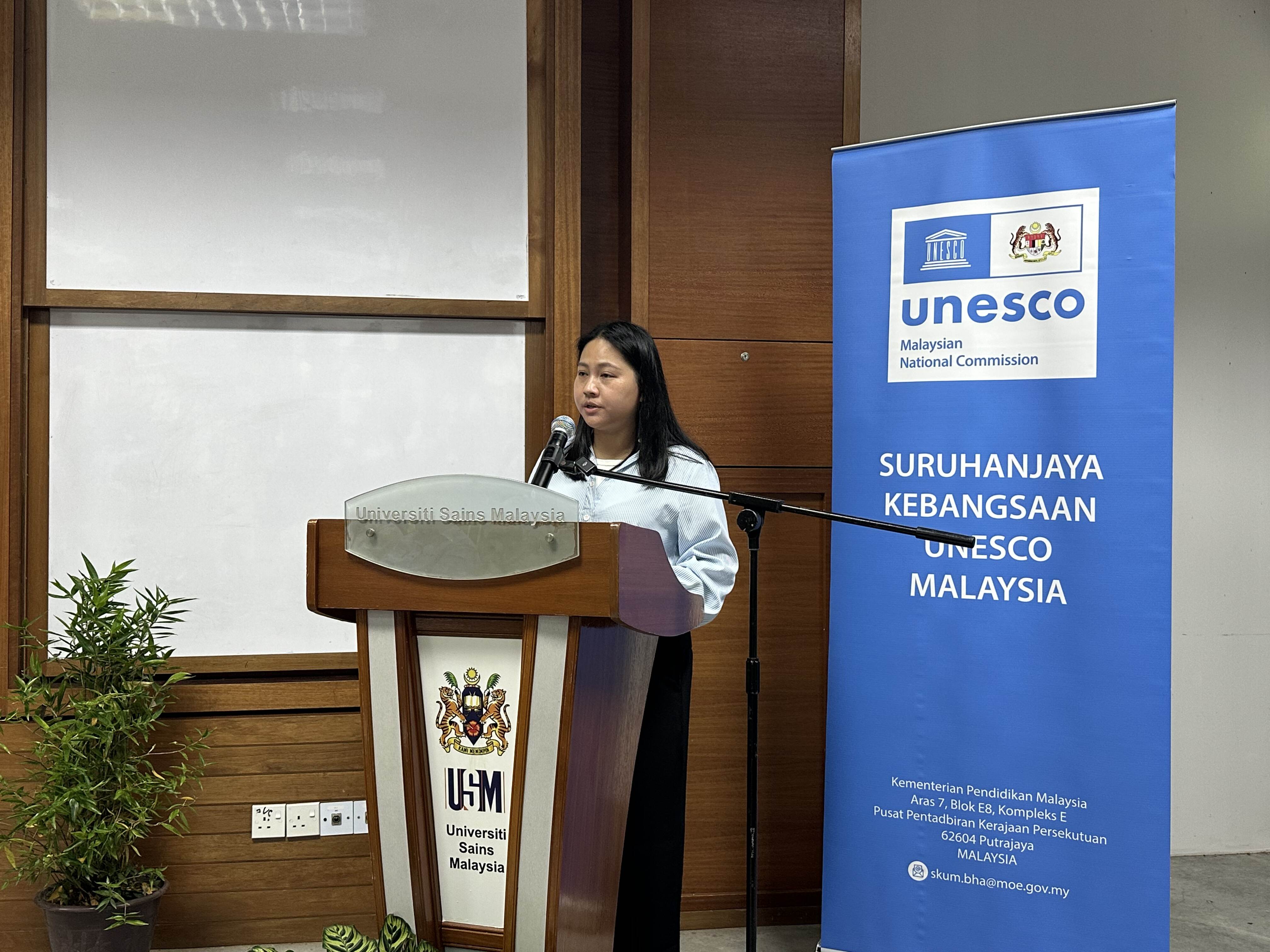
Within this context, storytelling becomes a form of environmental mediation capable of transforming abstract ecological data into civic consciousness.
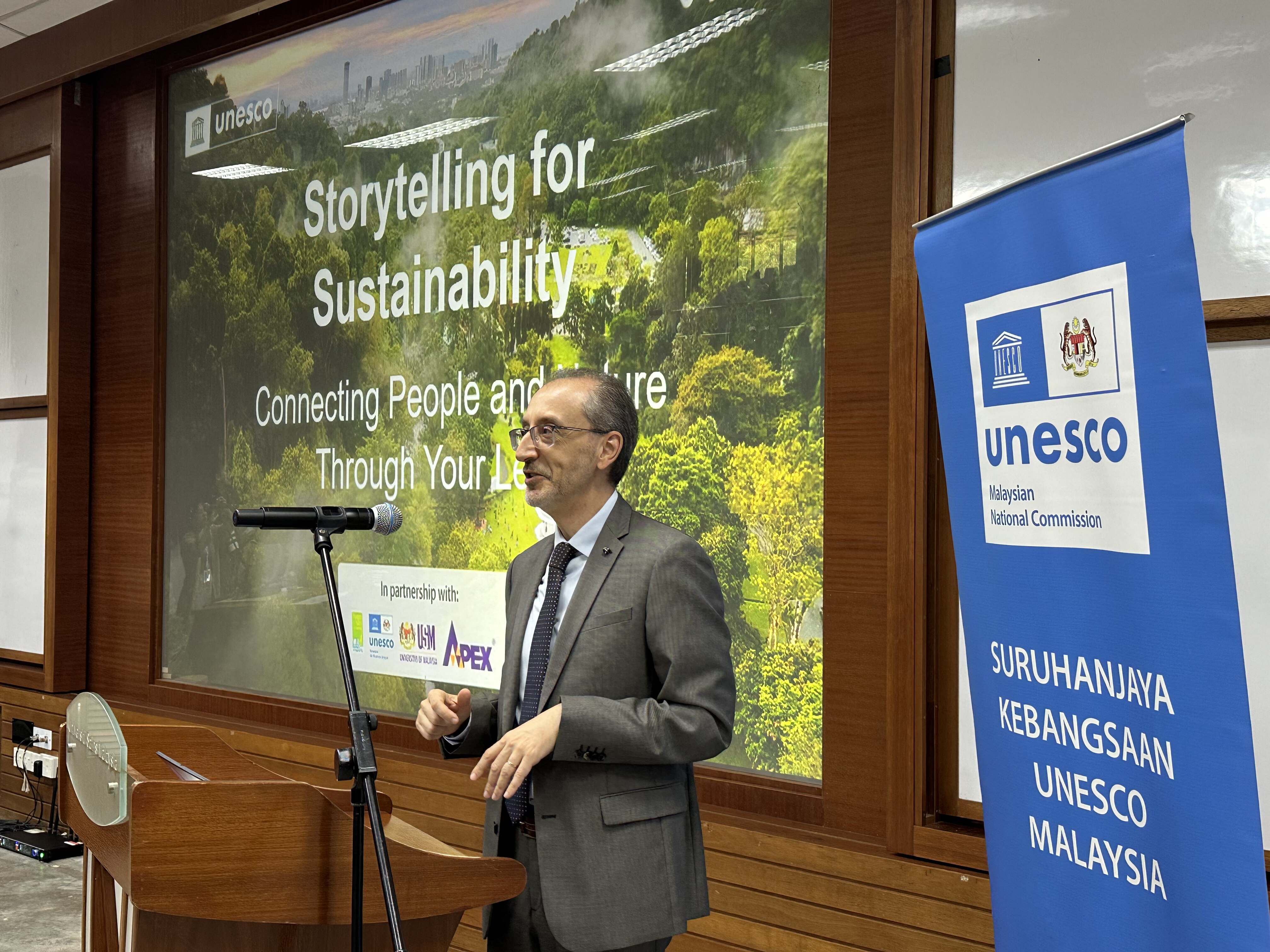
USM’s involvement through its School of Communication demonstrated a broader institutional transition in communication studies itself, where media education increasingly intersects with sustainability governance, heritage diplomacy and digital ethics. The workshop critically examined how younger generations, functioning within algorithmically accelerated media ecosystems, now possess unprecedented influence in shaping public environmental perception. Youth are no longer passive recipients of institutional discourse, but decentralised communicative actors capable of constructing ecological narratives with transnational visibility and immediate socio-political resonance.

Simultaneously, the initiative highlighted the paradoxical nature of contemporary digital culture. While digital platforms enable unprecedented visibility for environmental advocacy, they also incentivise performative activism, aesthetic environmentalism and informational oversimplification.
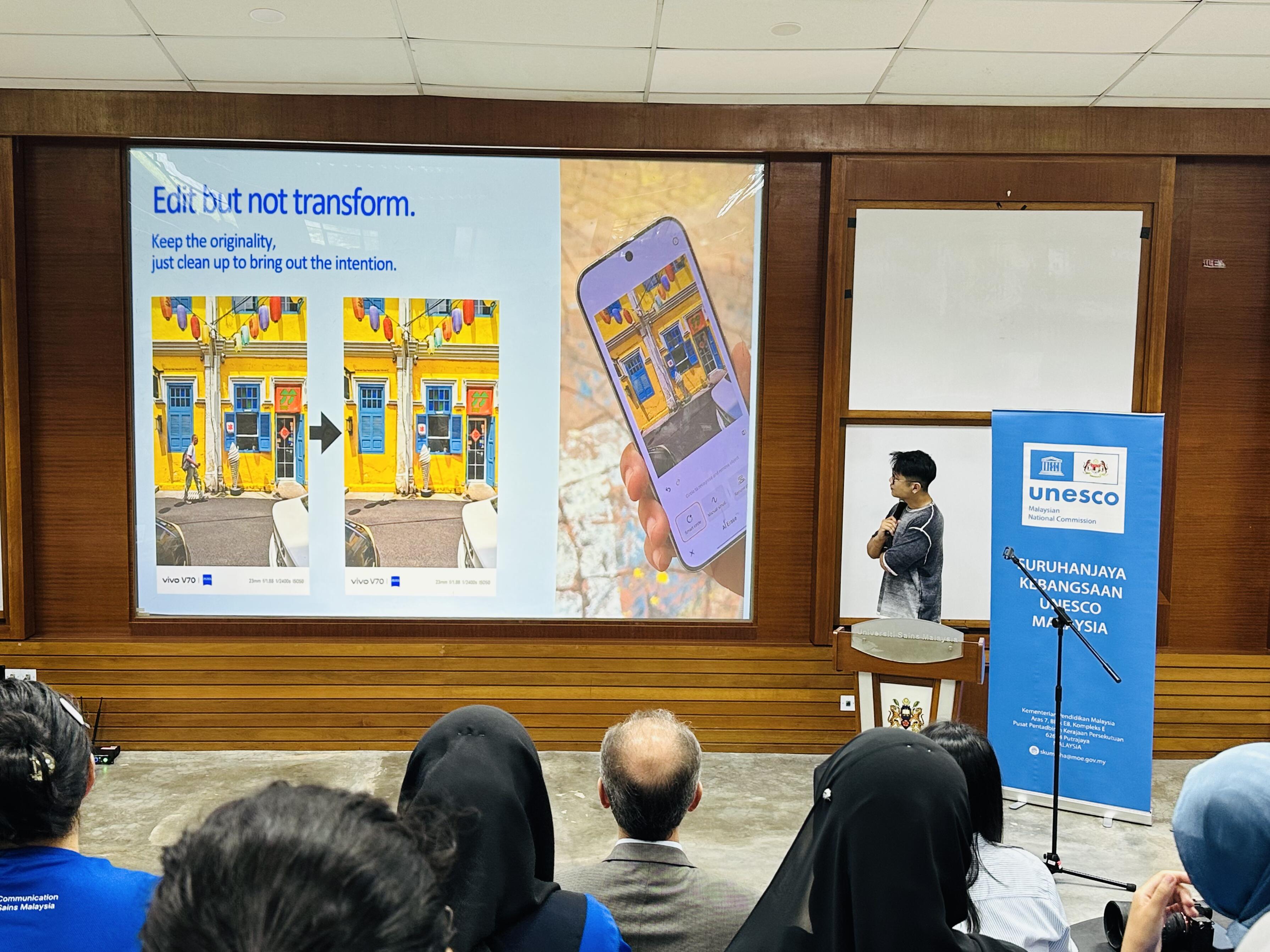
The programme therefore emphasised responsible storytelling practices, urging participants to critically evaluate representational ethics, contextual accuracy and the socio-cultural consequences of digitally mediated environmental narratives.
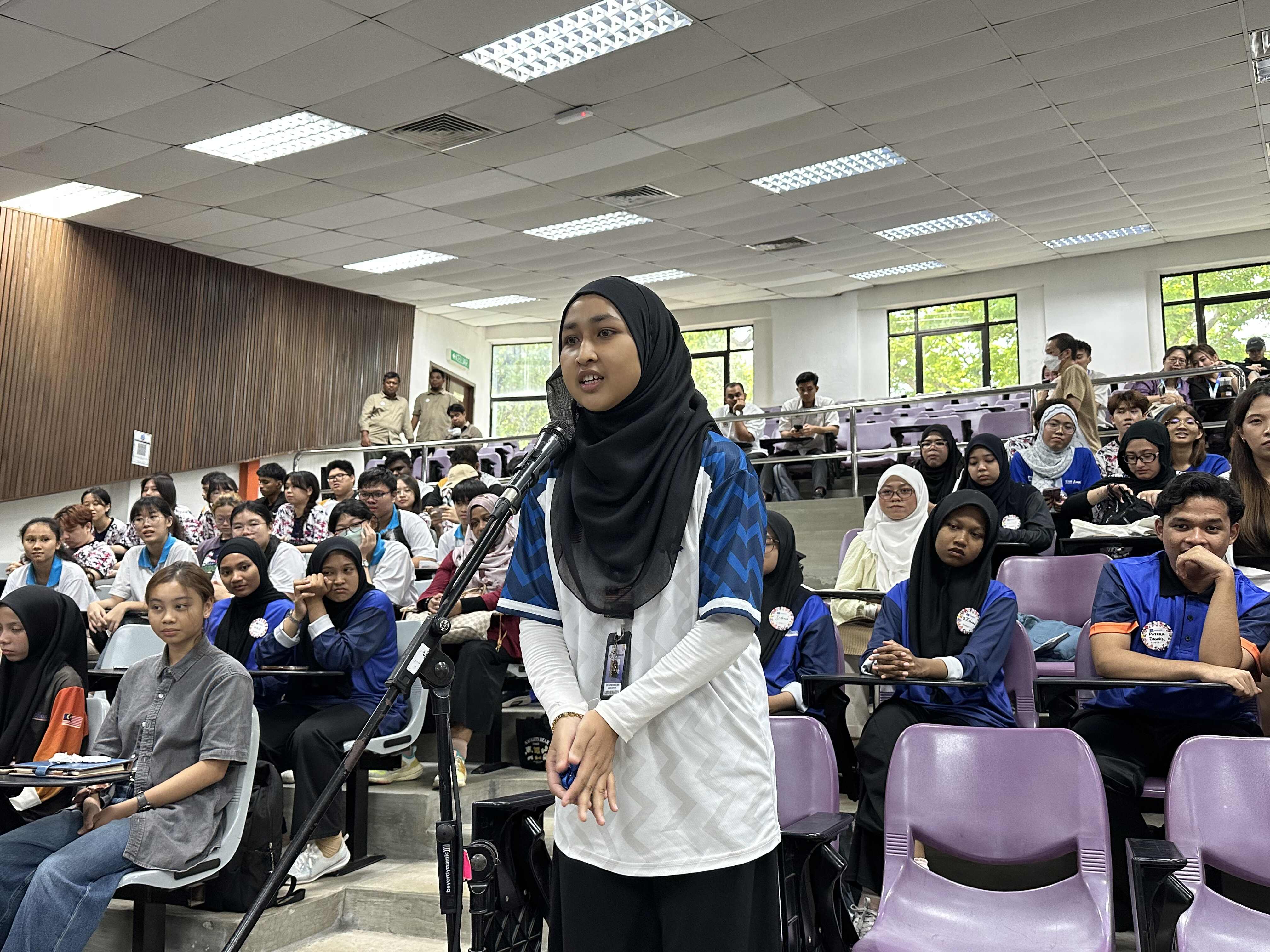
USM’s broader contributions to UNESCO-linked biodiversity frameworks further reinforced the intellectual significance of the programme. The university has played a strategic role in preparing documentation for UNESCO’s Man and the Biosphere (MAB) recognition processes, including the Penang Hill (Bukit Bendera) Biosphere Reserve, reflecting its continuing involvement in global sustainability governance beyond conventional academic research.
Concurrently, the renewal of USM’s UNESCO Chair on Ecohydraulics until 2028 signals sustained international recognition of the university’s interdisciplinary expertise in ecological systems, environmental resilience and sustainable resource governance.
More profoundly, the workshop foregrounded an increasingly critical civilisational concern: the simultaneous erosion of ecological systems and cultural memory.
Contemporary environmental scholarship increasingly acknowledges that biodiversity loss often parallels the disappearance of indigenous narratives, localised knowledge systems and intangible cultural heritage. In this regard, digital storytelling emerges not merely as media production, but as a preservation mechanism through which ecological identity, historical continuity and collective memory are negotiated within modern technological environments.
The initiative ultimately reflected a broader redefinition of sustainability communication in the 21st century. Ecological advocacy is no longer monopolised by scientific institutions or policy frameworks alone; it increasingly depends on distributed networks of culturally literate communicators capable of translating environmental complexity into socially meaningful narratives.
Through this initiative, USM reaffirmed its role not only as a research-intensive university, but as an institution actively shaping the intellectual architecture of ethical digital citizenship, sustainability consciousness and culturally grounded environmental communication.
Text: PrivinKumar Jayavanan, Media & Public Relations Centre (MPRC) / Editing: Mazlan Hanafi Basharudin
- Created on .
- Hits: 429
