MALAYSIA’S WFH POLICY SHIFT AMID GLOBAL ENERGY STRAIN: A CONTEXTUAL, DATA-DRIVEN PERSPECTIVE
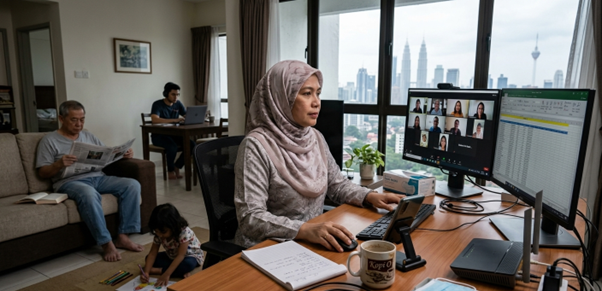
USM PENANG, 2 April 2026 – As global energy markets face growing uncertainty, two academical experts from Universiti Sains Malaysia’s School of Social Sciences have provided fresh insights into Malaysia’s new Work From Home (WFH) directive, framing it as part of a wider socio-economic adjustment.
Dr. Hipolitus Y.R. Wangge and Dr. Law Chee Hong explain that Malaysia’s WFH move is not just about flexible work arrangements, but also about managing energy demand and ensuring economic resilience.
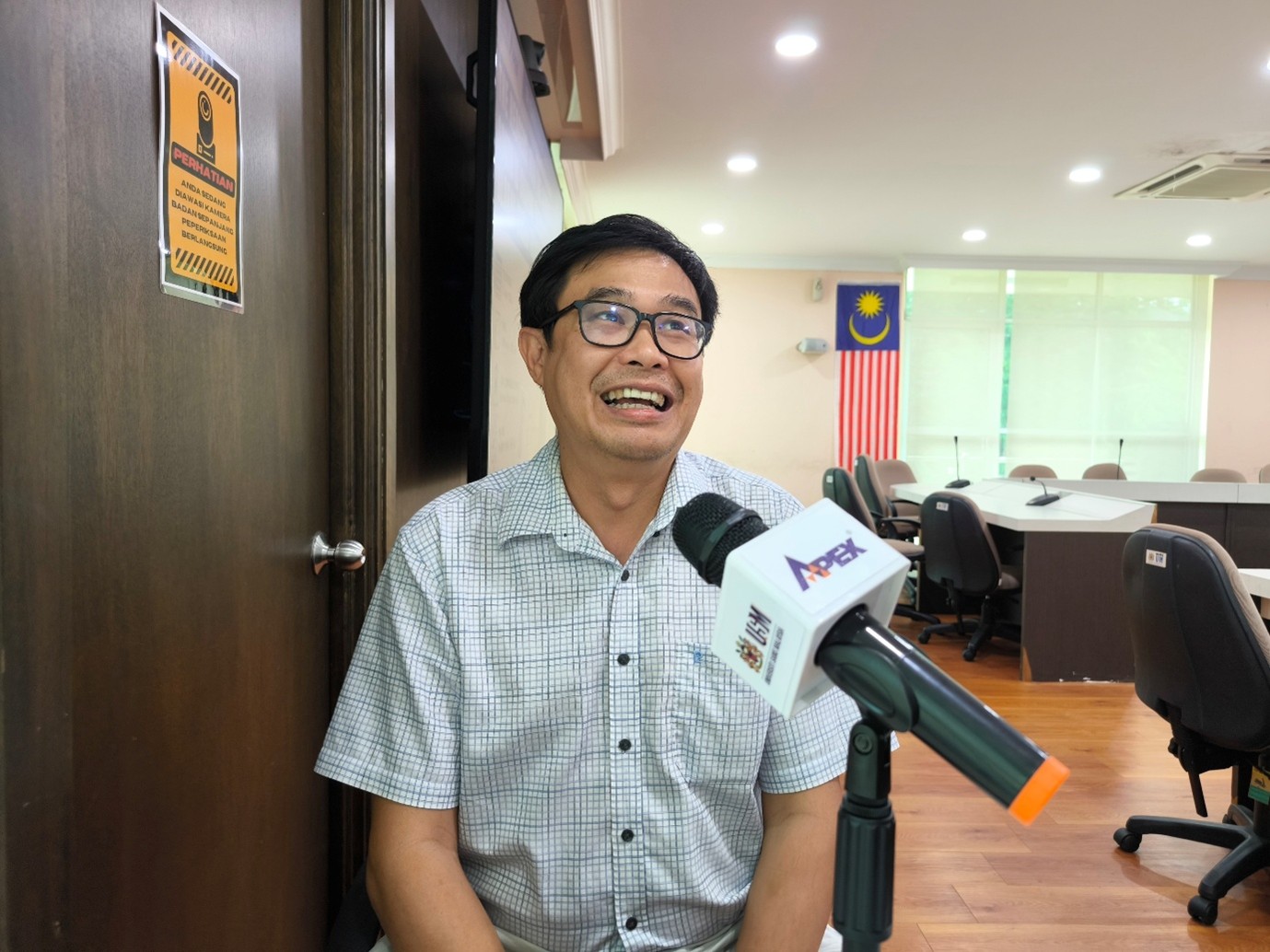
From a global perspective, Hipolitus points out that Scandinavian countries such as Finland and Sweden have seen clear benefits from long-term WFH adoption, including less urban traffic congestion, improved work-life balance, and more adaptable labour markets.
However, he cautions that success depends heavily on local culture and societal discipline.
“In Asia, for example, Japan and South Korea face challenges where traditional workplace expectations can clash with remote work practices,” he said.
He stresses that WFH should be seen as part of a broader policy ecosystem, not a one-size-fits-all solution.
Within Southeast Asia, Malaysia’s approach mirrors regional strategies in Indonesia, Singapore, and the Philippines, where governments are using flexible policies to reduce fuel consumption and maintain economic stability amid global energy disruptions.
Law highlights that Malaysia’s current WFH directive is very different from the strict rules during the COVID-19 pandemic.
He said, “Instead of rigid enforcement, the government now allows organisations to decide how best to apply WFH.”
“This reflects a shift from crisis management to adaptive governance, balancing economic activity with energy-saving goals.”
Law added, “At the national level, fuel consumption is the key driver.”
“By reducing commuting, Malaysia can ease the burden of fuel subsidies and redirect resources to support vulnerable groups,” he explained.
Importantly, Law notes that this flexible policy is unlikely to harm economic growth, unlike the pandemic lockdowns that caused sharp GDP declines.

Both experts agree that while WFH can improve efficiency, it also brings challenges.
Household responsibilities, digital readiness, and home environments all affect productivity.
Hipolitus emphasises that the home is not a neutral workspace, and success depends on supporting workers with better digital infrastructure and organisational systems.
Ultimately, Malaysia’s WFH directive is more than a short-term response. It signals a move toward hybrid, context-sensitive work models that balance energy needs, economic resilience, and social well-being.
USM’s scholars underline the importance of grounded, interdisciplinary analysis to ensure policies remain effective and adaptable in a rapidly changing world.
Text: Privin Kumar Jayavanan/Editing: Tan Ewe Hoe/Photo: Afimie Baharit, Intern@MPRC
- Created on .
- Hits: 483
