CEMACS USM LEADS NATIONAL MARINE SAFETY INITIATIVE IN STRATEGIC PARTNERSHIP WITH LADA LANGKAWI
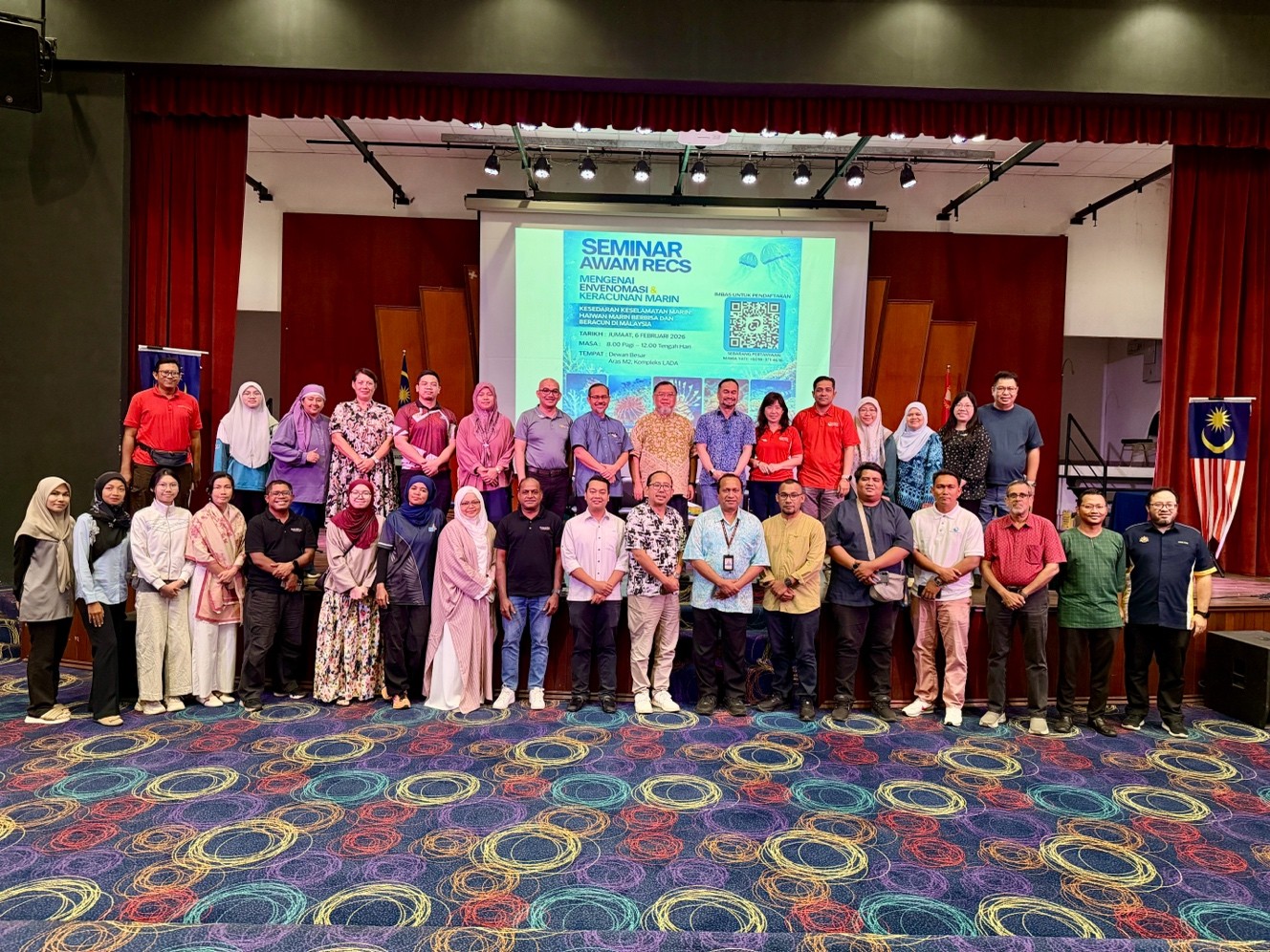
USM PENANG, 12 February 2026 – The Universiti Sains Malaysia (USM) Centre for Marine and Coastal Studies (CEMACS), in strategic partnership with the Langkawi Development Authority (LADA) and in collaboration with the Remote Envenomation Consultancy Services (RECS), successfully organised the Public Seminar on Marine Envenomation & Poisoning 2026 at the LADA Complex in Langkawi, Kedah recently.
The seminar has formed part of the RECS Clinical Toxinology Research Workshop Phase 1/2026 and brought together leading emergency physicians, clinical toxinologists, and marine scientists from across Malaysia.
The initiative marked a significant advancement in integrating marine biodiversity research with frontline clinical expertise to address marine-related injuries and poisoning incidents, particularly in high-profile coastal tourism destinations.
The partnership with LADA reflects a shared commitment towards strengthening marine safety awareness, enhancing preparedness frameworks, and supporting Langkawi’s position as a safe and sustainable island destination.
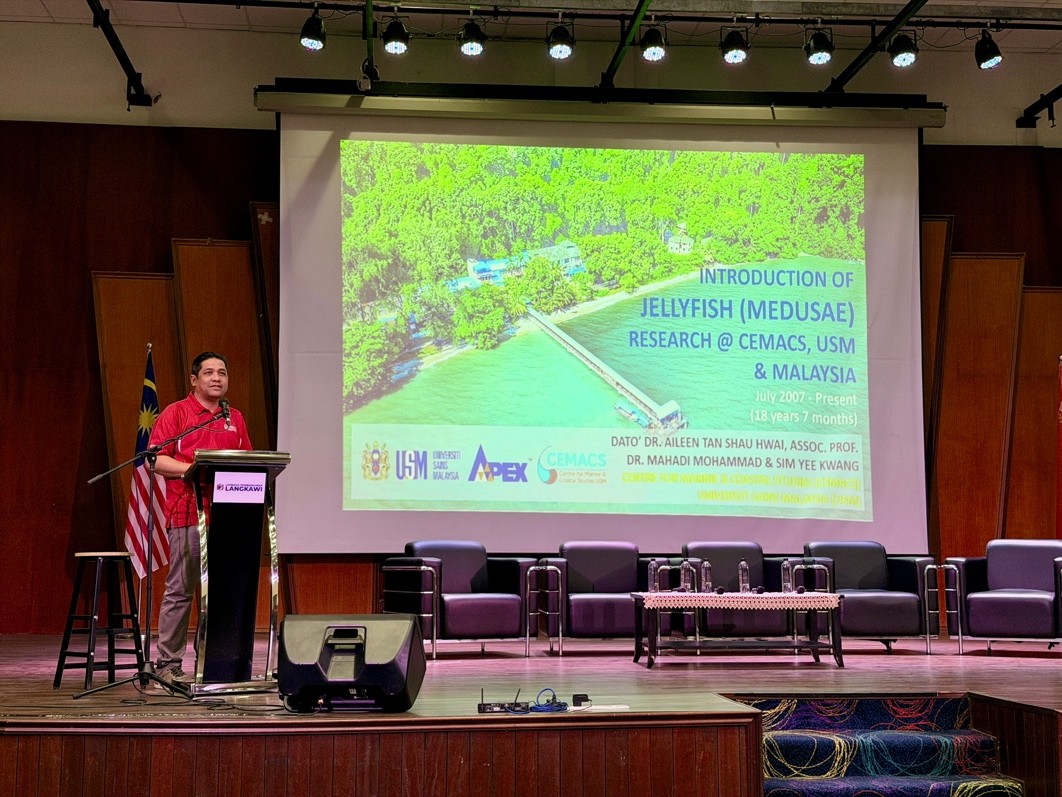
CEMACS Sets the Scientific Tone with Marine Expert Briefing
CEMACS opened the seminar with a high-impact marine science briefing. The briefings were delivered by Dato’ Dr. Aileen Tan Shau Hwai, Assoc. Prof. Dr. Mahadi Mohammad, and Senior Science Officer Sim Yee Kwang.
The session provided a comprehensive overview of jellyfish diversity in Malaysian waters, ecological drivers of bloom events, and environmental patterns associated with sting occurrences.
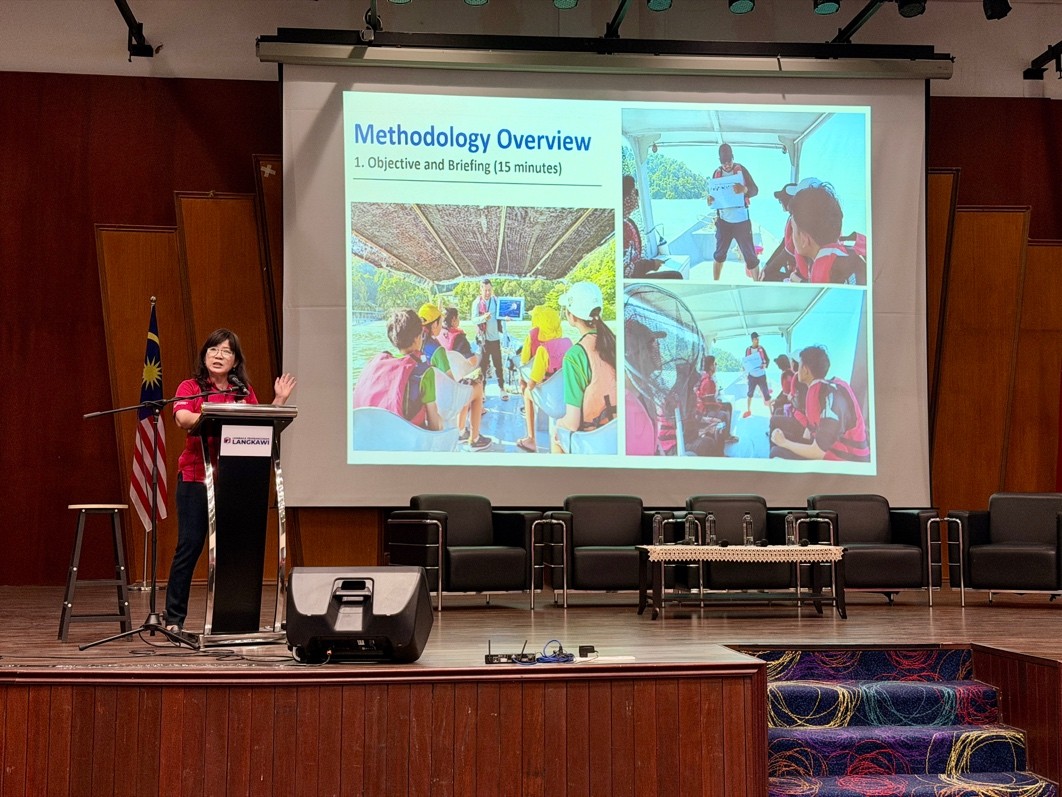
The CEMACS team presented updates on long-term jellyfish monitoring initiatives, regional database development and field-based ecological assessments linking environmental variability to sting risk patterns.
By anchoring the seminar in robust scientific evidence, CEMACS reinforced the principle that effective marine risk management must begin with ecological understanding, continuous monitoring, and informed public awareness.
The session further highlighted the importance of marine literacy among tourism operators, hospitality stakeholders, and coastal communities, particularly in destinations where environmental dynamics and visitor activity intersect.
Clinical Expertise Strengthens Evidence-Based Response
Building upon the scientific foundation established by CEMACS, RECS consultants delivered authoritative clinical sessions on the management of venomous and poisonous marine animals.
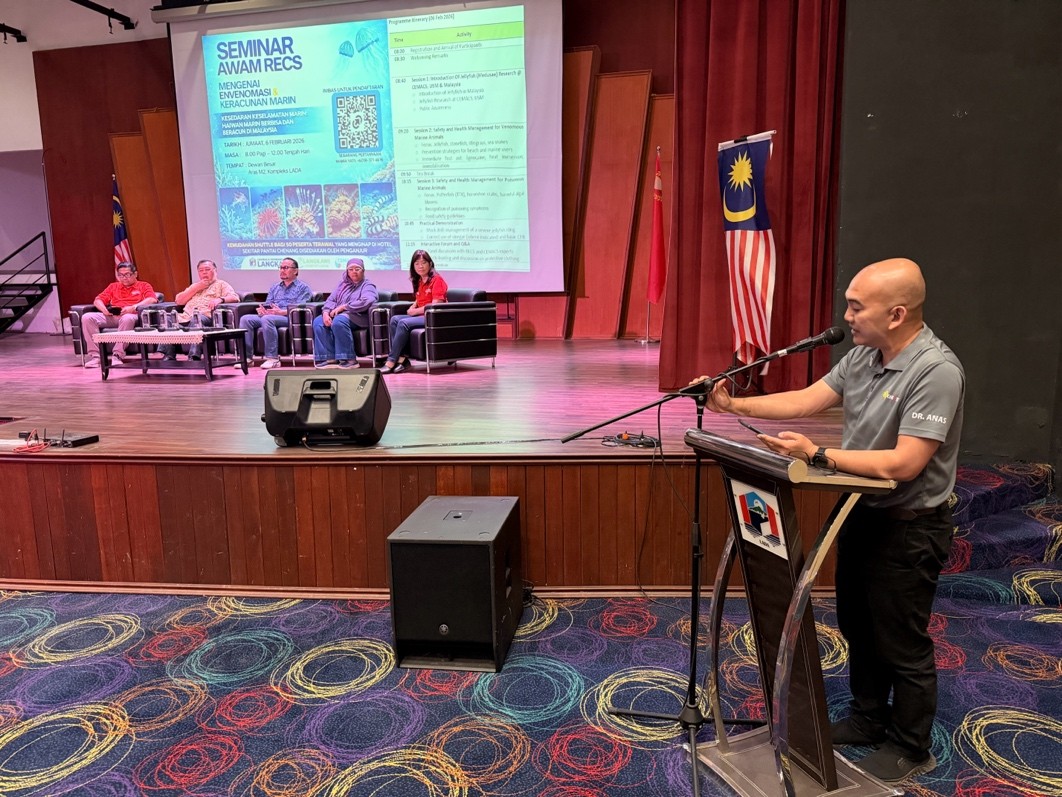
Consultant Emergency Physician and Clinical Toxinologist, Dr. Yvonne Teo Chiang Hoon addressed safety and health management of venomous marine species, including jellyfish, stonefish, stingrays and sea snakes.
Her presentation emphasised preventive strategies, early symptom recognition, and evidence-based first aid protocols such as heat immersion therapy, appropriate lignocaine application, and immobilisation techniques.
Next, Consultant Emergency Physician and Clinical Toxinologist, Dr. Zainalabidin Mohamed@Ismail focused on poisoning risks associated with pufferfish (tetrodotoxin), horseshoe crabs, and harmful algal blooms. He elaborated on neurological warning signs, systemic toxicity risks, and food safety considerations relevant to coastal and tourism settings.
The seminar was further supported by the presence and expertise of Associate Professor Dr. Ahmad Khaldun Ismail, Dr. Anisah Adnan, Dr. Ruth Sabrina Safferi, Dr. Noredelina Mohd Noor, Dr. Mohd Zaki Fadzil Senek, and Dr. Anas Amri Hashim, reflecting strong national multidisciplinary representation in emergency medicine and clinical toxinology.
Enhancing Preparedness Through Practical Demonstration
A key highlight of the programme was a live mock drill simulating the management of a severe jellyfish sting. The demonstration was conducted by the RECS team in collaboration with clinicians from Hospital Sultanah Maliha, Langkawi, showcasing correct first-response procedures, context-appropriate vinegar use, and basic cardiopulmonary resuscitation (CPR).
The practical session provided participants with valuable hands-on exposure to evidence-based emergency management protocols, reinforcing the importance of coordinated clinical response in marine envenomation cases.
The subsequent interactive forum enabled participants to clarify misconceptions and discuss effective collaboration between healthcare providers and tourism stakeholders.
Strategic Collaboration for Marine Safety and Sustainable Tourism
The seminar attracted tourism operators, beachfront hotel managers, healthcare professionals, government representatives, and community stakeholders.
Through facilitation and support from LADA, including provision of the venue and coordination with local stakeholders, the initiative demonstrated a proactive and collaborative approach to marine safety governance in Langkawi.
CEMACS and RECS jointly expressed their appreciation to LADA Langkawi for its strong institutional support and commitment towards promoting responsible tourism and community safety.
The partnership underscores the importance of aligning scientific research, medical preparedness, and tourism management in strengthening coastal resilience.
By uniting marine scientists, emergency physicians, and tourism authorities under one platform, the programme serves as a model for integrated marine risk management.
As Malaysia advances its sustainable coastal development agenda, CEMACS remains committed to translating marine research into actionable strategies that protect ecosystems, empower communities, and enhance national marine safety standards.
Text & Photo: Centre for Marine and Coastal Studies (CEMACS), USM
- Created on .
- Hits: 580
